THE ADVENTURE COLLECTIVE® · Independent discovery and booking for outdoor travel

Spend a morning outside Agadir watching goats climb argan trees, meet Crocoparc’s crocodiles and visit a women’s Argan oil cooperative. This compact half-day tour combines wildlife viewing with cultural insight and easy walking.
Spend a morning outside Agadir watching goats climb argan trees, meet Crocoparc’s crocodiles and visit a women’s Argan oil cooperative. This compact half-day tour combines wildlife viewing with cultural insight and easy walking.
You begin before the heat, glassy light on the coastal road as the van peels away from Agadir toward low, scrubbed hills. In less than 30 minutes the landscape shifts: flat farmland gives way to thorny argan groves where goats, improbably nimble, pick their way into branches to harvest the oil-rich fruit. The animals move like small, shaggy climbers, indifferent to your camera but central to a landscape shaped by people and this tree.
Verified experiences and guided adventures in the surrounding area.
Operated by Tours In Agadir · Agadir, Souss-Massa
You begin before the heat, glassy light on the coastal road as the van peels away from Agadir toward low, scrubbed hills. In less than 30 minutes the landscape shifts: flat farmland gives way to thorny argan groves where goats, improbably nimble, pick their way into branches to harvest the oil-rich fruit. The animals move like small, shaggy climbers, indifferent to your camera but central to a landscape shaped by people and this tree.
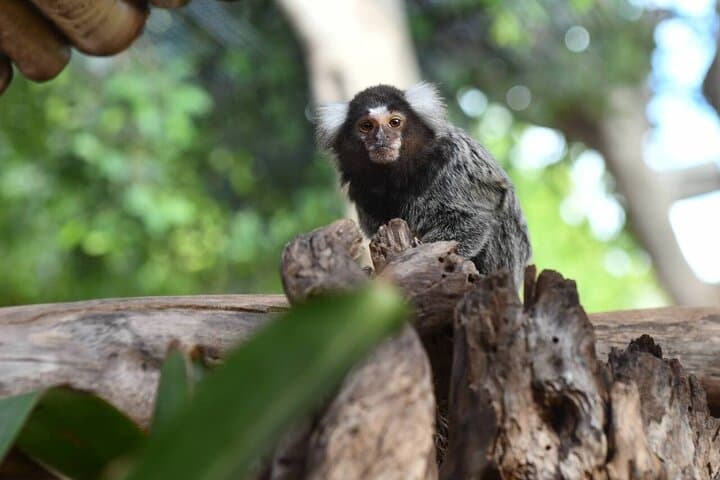
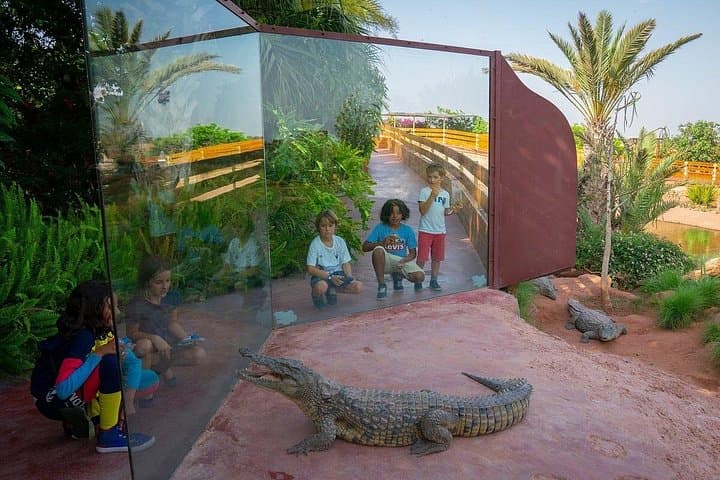
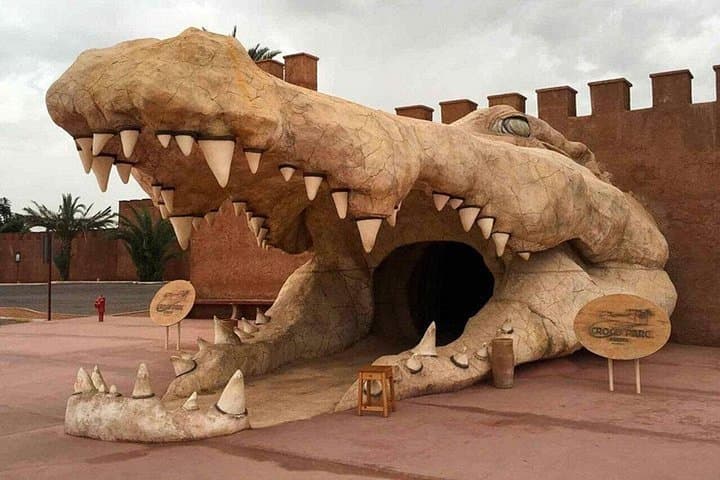
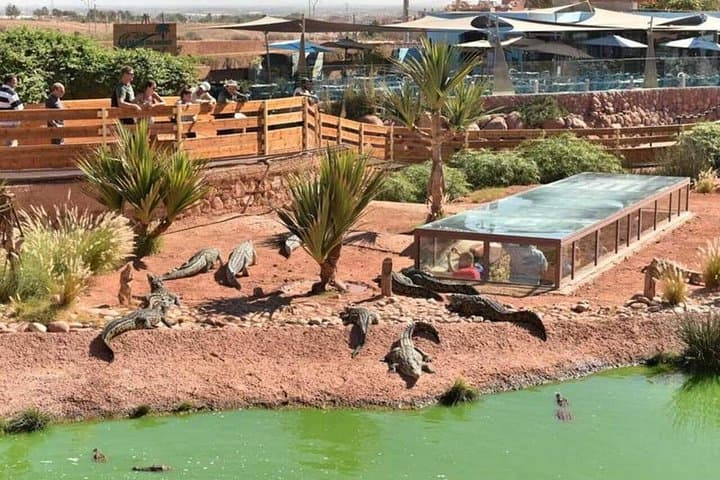
That short stretch of coastline and low mountains is part of the argan biosphere — an ecosystem and cultural economy. Argan trees are endemic to southwestern Morocco and the oil they yield has supported Berber communities for generations; cooperative models have become a visible link between conservation and livelihood. Nearby, Crocoparc sits in a planted garden of palms and fig trees; its ponds hold crocodiles, while aviaries and terrariums host parrots, iguanas and tortoises — a compact, curated wildlife experience rather than a wild reserve.
Practicalities are straightforward: this is a half-day outing (about 3 hours total) with hotel pickup in Agadir or Taghazout, short walks on firm ground, and time at a local argan cooperative to learn about hand-pressing techniques. Bring a zoom lens and binoculars for the goats, carry water and sun protection, and plan to respect local customs at cooperatives where purchases directly support women’s income. Expect light walking, photo stops, and a blend of wildlife viewing and cultural insight — an efficient morning that connects coastal Morocco’s natural oddities with its human stories.
easy.
3 hours.
Suitable for most travelers; minimal walking on firm, even ground with occasional steps
The tour visits areas where goats commonly climb argan trees; sightings are frequent but animals are free-ranging, so absolute sightings can’t be guaranteed.
Yes, Crocoparc entrance is included as part of the tour package according to the itinerary.
Pickup and drop-off are included for accommodations in Agadir and Taghazout—confirm your pickup point when booking.
The tour is rated easy with short, mostly level walks; families with young children are accommodated but Crocoparc paths and some viewpoints may have steps.
The argan landscape has supported Berber communities for centuries; the arganeraie was recognized as a UNESCO biosphere reserve for its ecological and cultural value.
Responsible visits support cooperative sales and local livelihoods; avoid feeding wildlife and buy argan products from certified cooperatives to support sustainable harvesting.
Tours In Agadir operates guided outdoor trips and adventures with an emphasis on safety, stewardship, and memorable experiences.
You begin before the heat, glassy light on the coastal road as the van peels away from Agadir toward low, scrubbed hills. In less than 30 minutes the landscape shifts: flat farmland gives way to thorny argan groves where goats, improbably nimble, pick their way into branches to harvest the oil-rich fruit. The animals move like small, shaggy climbers, indifferent to your camera but central to a landscape shaped by people and this tree.
You begin before the heat, glassy light on the coastal road as the van peels away from Agadir toward low, scrubbed hills. In less than 30 minutes the landscape shifts: flat farmland gives way to thorny argan groves where goats, improbably nimble, pick their way into branches to harvest the oil-rich fruit. The animals move like small, shaggy climbers, indifferent to your camera but central to a landscape shaped by people and this tree.
That short stretch of coastline and low mountains is part of the argan biosphere — an ecosystem and cultural economy. Argan trees are endemic to southwestern Morocco and the oil they yield has supported Berber communities for generations; cooperative models have become a visible link between conservation and livelihood. Nearby, Crocoparc sits in a planted garden of palms and fig trees; its ponds hold crocodiles, while aviaries and terrariums host parrots, iguanas and tortoises — a compact, curated wildlife experience rather than a wild reserve.
Practicalities are straightforward: this is a half-day outing (about 3 hours total) with hotel pickup in Agadir or Taghazout, short walks on firm ground, and time at a local argan cooperative to learn about hand-pressing techniques. Bring a zoom lens and binoculars for the goats, carry water and sun protection, and plan to respect local customs at cooperatives where purchases directly support women’s income. Expect light walking, photo stops, and a blend of wildlife viewing and cultural insight — an efficient morning that connects coastal Morocco’s natural oddities with its human stories.