THE ADVENTURE COLLECTIVE® · Independent discovery and booking for outdoor travel

Step off the bus into a planted garden where more than 300 Nile crocodiles sun themselves beside sculpted ponds. This guided visit from Agadir pairs easy walking and wildlife viewing with accessible transport and family-friendly facilities.
Step off the bus into a planted garden where more than 300 Nile crocodiles sun themselves beside sculpted ponds. This guided visit from Agadir pairs easy walking and wildlife viewing with accessible transport and family-friendly facilities.
A low wall of green meets the Atlantic light as the bus doors open and heat brings the scent of dry earth and planted palms. Walkways thread through a botanical garden where more than 300 Nile crocodiles laze in sculpted ponds, some exceeding three meters, their slow attention tracking visitors as giant tortoises move like old islands under the shade.
Verified experiences and guided adventures in the surrounding area.
Operated by Bakhazouz Tours Company · Agadir, Souss-Massa
A low wall of green meets the Atlantic light as the bus doors open and heat brings the scent of dry earth and planted palms. Walkways thread through a botanical garden where more than 300 Nile crocodiles laze in sculpted ponds, some exceeding three meters, their slow attention tracking visitors as giant tortoises move like old islands under the shade.
The site sits on the southern edge of Agadir’s coastal plain, a human-made refuge that pairs exotic reptiles with planted palms and Mediterranean species. The park’s collection reflects long-standing regional interest in displaying North African and sub-Saharan fauna for education and tourism; the planted gardens temper the semi-arid landscape with shade and curated irrigation. Cultural rhythms of Agadir—market days, local hospitality, coastal cuisine—frame a visit and make a stop here part biology lesson, part cultural stopover.
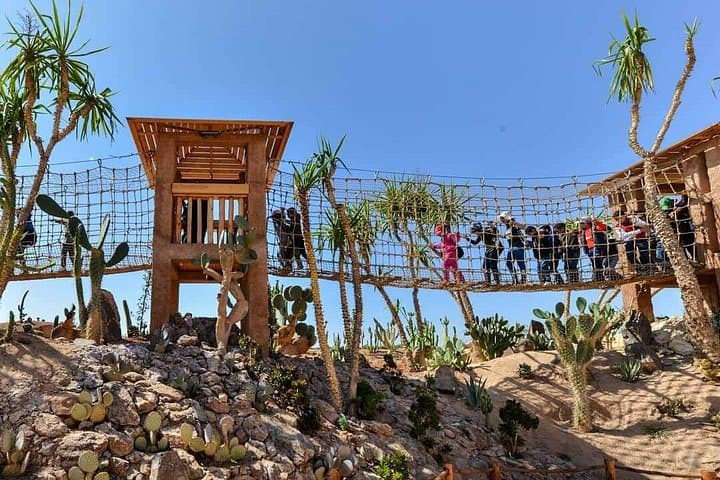
Expect compact paths, interpretive signs, and viewing platforms rather than wilderness hiking. The experience is sensory: the muffled splash of water, the soft rattle of tortoise shells, the sudden gleam of scales in sunlight. Reptiles are most active in late morning when the sun warms their enclosures.
Practical guidance: tours typically include air-conditioned round-trip transport and last about three hours; wear closed-toe shoes for gravel paths, sun protection, and bring water. The park advertises wheelchair-accessible areas and infant seats on transport. Photography is allowed but avoid flash near animals. For quieter visits, aim for weekday mornings outside school holidays. Treat viewing as respectful observation—feedings and handling are controlled by staff and not for visitors.
easy.
3 hours.
Suitable for most fitness levels; minimal walking on mostly flat, maintained paths
The scheduled duration is about three hours, including round-trip transport from Agadir and time inside the park.
Yes—park information and transport options indicate wheelchair-accessible areas and vehicles; check pickup details when booking.
Yes; the park is family-oriented with secure enclosures and shaded walkways, but children should be supervised at all times near viewing areas.
Late morning is generally best—reptiles warm up and become more visible once sunlight has heated pools and basking areas.
The park was developed as a botanical and educational site to display regional and exotic reptiles, reflecting long-standing local interest in wildlife displays and tourism linked to Agadir’s coastal development.
The park emphasizes captive care and public education; visitors should follow rules to minimize stress on animals and avoid introducing foreign food or materials into enclosures.
Bakhazouz Tours Company operates guided outdoor trips and adventures with an emphasis on safety, stewardship, and memorable experiences.
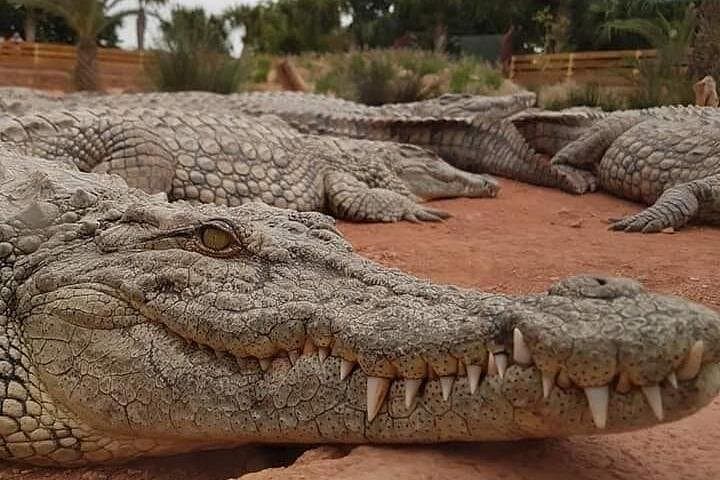
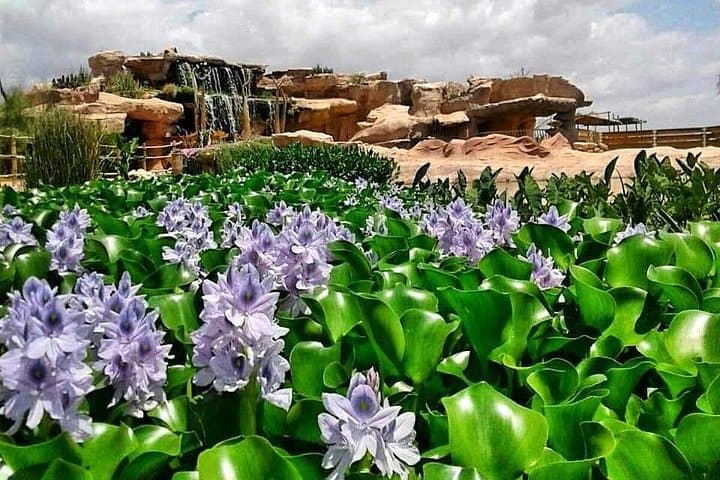
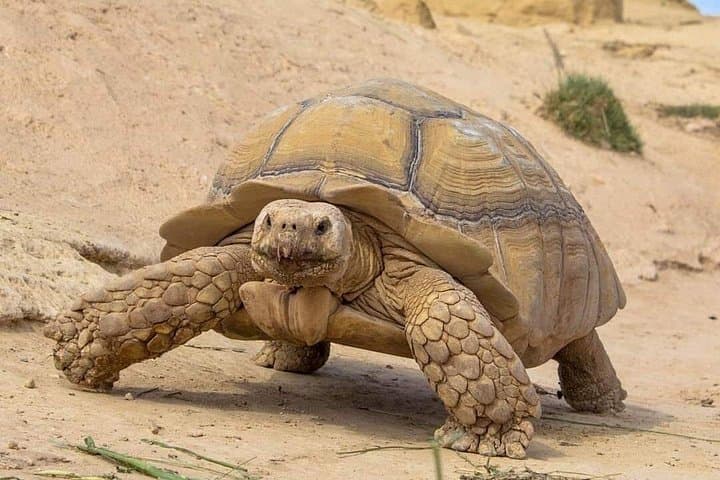
A low wall of green meets the Atlantic light as the bus doors open and heat brings the scent of dry earth and planted palms. Walkways thread through a botanical garden where more than 300 Nile crocodiles laze in sculpted ponds, some exceeding three meters, their slow attention tracking visitors as giant tortoises move like old islands under the shade.
A low wall of green meets the Atlantic light as the bus doors open and heat brings the scent of dry earth and planted palms. Walkways thread through a botanical garden where more than 300 Nile crocodiles laze in sculpted ponds, some exceeding three meters, their slow attention tracking visitors as giant tortoises move like old islands under the shade.
The site sits on the southern edge of Agadir’s coastal plain, a human-made refuge that pairs exotic reptiles with planted palms and Mediterranean species. The park’s collection reflects long-standing regional interest in displaying North African and sub-Saharan fauna for education and tourism; the planted gardens temper the semi-arid landscape with shade and curated irrigation. Cultural rhythms of Agadir—market days, local hospitality, coastal cuisine—frame a visit and make a stop here part biology lesson, part cultural stopover.
Expect compact paths, interpretive signs, and viewing platforms rather than wilderness hiking. The experience is sensory: the muffled splash of water, the soft rattle of tortoise shells, the sudden gleam of scales in sunlight. Reptiles are most active in late morning when the sun warms their enclosures.
Practical guidance: tours typically include air-conditioned round-trip transport and last about three hours; wear closed-toe shoes for gravel paths, sun protection, and bring water. The park advertises wheelchair-accessible areas and infant seats on transport. Photography is allowed but avoid flash near animals. For quieter visits, aim for weekday mornings outside school holidays. Treat viewing as respectful observation—feedings and handling are controlled by staff and not for visitors.