THE ADVENTURE COLLECTIVE® · Independent discovery and booking for outdoor travel

Take a compact, three-hour loop through Agadir’s defining sights: the Oufella kasbah ruins, the Mohammed V Mosque, an argan cooperative, and the bustling Souk El Had. Expect panoramic views, hands-on demonstrations of argan production, and lively market scenes.
Take a compact, three-hour loop through Agadir’s defining sights: the Oufella kasbah ruins, the Mohammed V Mosque, an argan cooperative, and the bustling Souk El Had. Expect panoramic views, hands-on demonstrations of argan production, and lively market scenes.
You begin on a wind-scoured hill where the ruins of Agadir Oufella frame the Atlantic and the city below—white roofs, the curved sweep of the bay, and fishing boats pulled against the harbor. The wind sharpens the salt in the air; gulls wheel and the ruined kasbah walls seem to keep watch over a city rebuilt from the 1960 earthquake.
Verified experiences and guided adventures in the surrounding area.
Operated by Agadir Travel Excursions · Agadir, Souss-Massa
You begin on a wind-scoured hill where the ruins of Agadir Oufella frame the Atlantic and the city below—white roofs, the curved sweep of the bay, and fishing boats pulled against the harbor. The wind sharpens the salt in the air; gulls wheel and the ruined kasbah walls seem to keep watch over a city rebuilt from the 1960 earthquake.
That quake reshaped Agadir into a modern coastal town; the Oufella kasbah remains the most visible relic, a place to read the city’s recent history in stone. Geologically, Agadir sits where the Souss plain meets the Atlantic, its beaches formed by longshore currents and its low arid hills dotted with resilient argan trees—an ecosystem both fragile and vital.
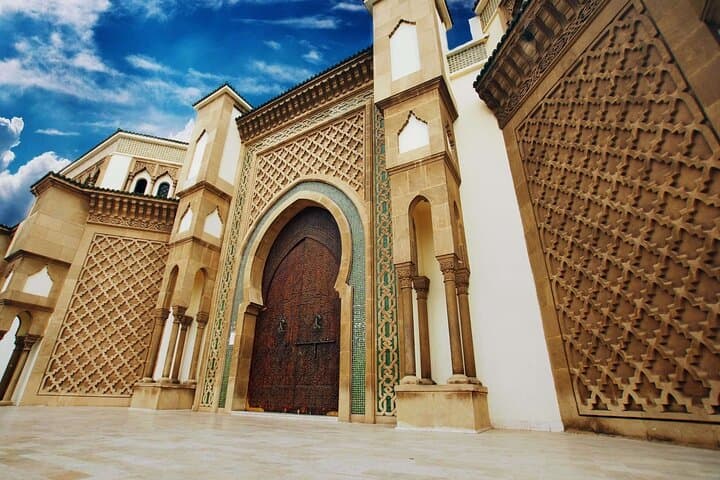
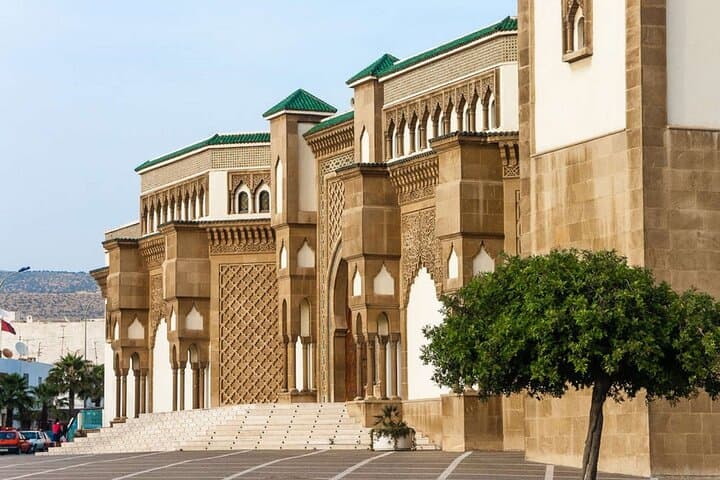
Culturally, the tour balances holy sites and daily life: the Muhammad V Mosque showcases Moroccan tilework and courtyards (non-Muslims may view exterior and courtyard areas), while a visit to a women’s argan cooperative reveals the traditional nut-cracking and pressing that produces Morocco’s famed oil. The final stop, Souk El Had, is sensory and practical—spices, textiles, and bargaining that rewards patience and a polite smile.
Practical guidance: the route is short and mostly level but expect dusty streets and standing in sun-exposed viewpoints. Wear closed-toe walking shoes, carry at least 1L of water in summer, and dress respectfully for the mosque courtyard. Bring cash for small purchases and allow extra time for photos at Oufella at golden hour. Local guides provide context and make visits to cooperatives and the souk more meaningful—listen, ask, and be ready to walk a few blocks between stops.
easy.
3 hours.
Light urban walking—suitable for most fitness levels; expect some standing and short climbs to viewpoints
Non-Muslims are generally not permitted inside the prayer hall but may enter and explore the mosque’s exterior courtyard; dress modestly and follow guide instructions.
Many cooperatives are genuine community businesses—look for cooperatives run by local women and ask about production methods to ensure authenticity.
The itinerary is family-friendly with short walks and vehicle transport; narrow market alleys and the kasbah climb may be challenging with a stroller.
Guides commonly speak French and English; confirm language at booking if you need a specific language or translator.
Agadir was largely rebuilt after the devastating 1960 earthquake; the kasbah ruins on Oufella are the most visible reminder of that event.
Argan trees are protected and support women’s cooperatives; when buying argan products, favor cooperative-labeled goods and avoid contributing to plastic waste in the souk.
Agadir Travel Excursions operates guided outdoor trips and adventures with an emphasis on safety, stewardship, and memorable experiences.
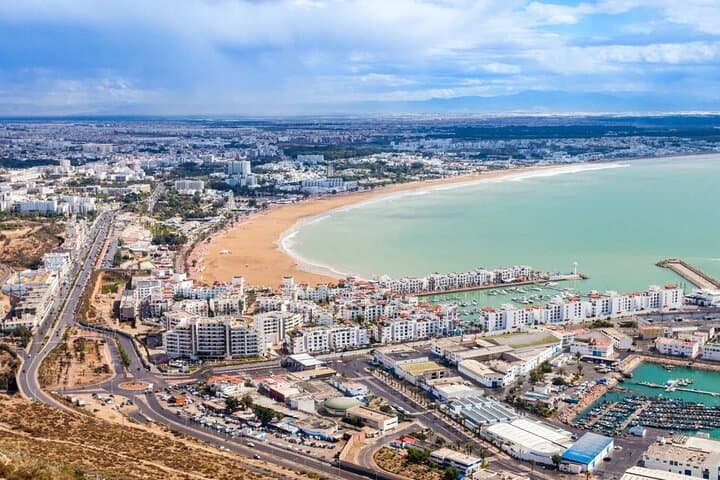
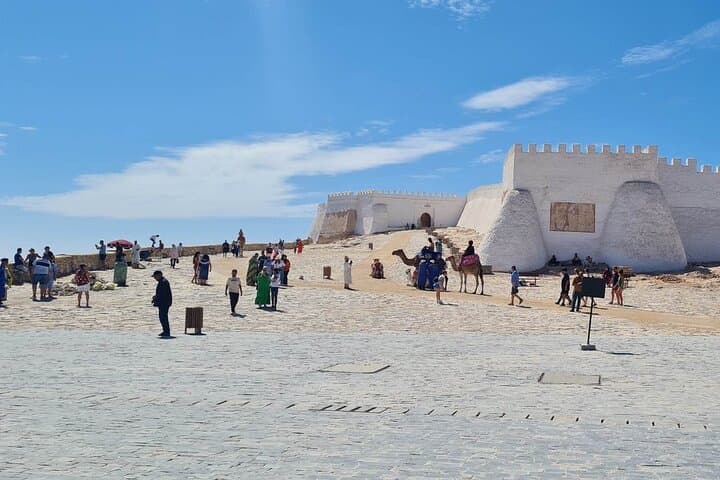
You begin on a wind-scoured hill where the ruins of Agadir Oufella frame the Atlantic and the city below—white roofs, the curved sweep of the bay, and fishing boats pulled against the harbor. The wind sharpens the salt in the air; gulls wheel and the ruined kasbah walls seem to keep watch over a city rebuilt from the 1960 earthquake.
You begin on a wind-scoured hill where the ruins of Agadir Oufella frame the Atlantic and the city below—white roofs, the curved sweep of the bay, and fishing boats pulled against the harbor. The wind sharpens the salt in the air; gulls wheel and the ruined kasbah walls seem to keep watch over a city rebuilt from the 1960 earthquake.
That quake reshaped Agadir into a modern coastal town; the Oufella kasbah remains the most visible relic, a place to read the city’s recent history in stone. Geologically, Agadir sits where the Souss plain meets the Atlantic, its beaches formed by longshore currents and its low arid hills dotted with resilient argan trees—an ecosystem both fragile and vital.
Culturally, the tour balances holy sites and daily life: the Muhammad V Mosque showcases Moroccan tilework and courtyards (non-Muslims may view exterior and courtyard areas), while a visit to a women’s argan cooperative reveals the traditional nut-cracking and pressing that produces Morocco’s famed oil. The final stop, Souk El Had, is sensory and practical—spices, textiles, and bargaining that rewards patience and a polite smile.
Practical guidance: the route is short and mostly level but expect dusty streets and standing in sun-exposed viewpoints. Wear closed-toe walking shoes, carry at least 1L of water in summer, and dress respectfully for the mosque courtyard. Bring cash for small purchases and allow extra time for photos at Oufella at golden hour. Local guides provide context and make visits to cooperatives and the souk more meaningful—listen, ask, and be ready to walk a few blocks between stops.