THE ADVENTURE COLLECTIVE® · Independent discovery and booking for outdoor travel

Explore Agadir’s hilltop Kasbah, watch argan oil production up close, and lose yourself in the vast Souk El Had on a four-hour private tour. This concise guide explains what you’ll see, how to prepare, and practical tips for bargaining and timing.
Explore Agadir’s hilltop Kasbah, watch argan oil production up close, and lose yourself in the vast Souk El Had on a four-hour private tour. This concise guide explains what you’ll see, how to prepare, and practical tips for bargaining and timing.
The climb from the coastal boulevard lands you beneath the ruined ramparts of Agadir’s Kasbah, where wind and sea-salt carve sound into stone and the Atlantic breeze almost dares you to pause and look back over the city.
Verified experiences and guided adventures in the surrounding area.
Operated by Agadir Fun · Agadir, Souss-Massa
The climb from the coastal boulevard lands you beneath the ruined ramparts of Agadir’s Kasbah, where wind and sea-salt carve sound into stone and the Atlantic breeze almost dares you to pause and look back over the city.
This four-hour private circuit threads three distinct chapters: the hilltop Kasbah (built in 1572), an argan-oil workshop where local producers demonstrate cold-press methods, and the sprawling Souk El Had with its walled alleys and sectorized stalls. Geologically, Agadir sits on a short coastal plain backed by the low Anti-Atlas foothills; the shore’s Atlantic influence keeps temperatures mild and feeds a steady wind that scours the shore and cools the medina.
Culturally the tour is practical: you’ll see craft techniques and meet vendors linked to community co-ops. Historically, the Kasbah overlooks a city rebuilt after the 1960 earthquake, its ruins a clear reminder of resilience and modern planning. Expect sensory contrasts — the Kasbah’s dry, bright light against the shaded spice aisles and the nutty fragrance of freshly pressed argan oil.
Practical guidance: wear closed-toe walking shoes for uneven Kasbah stone, carry cash (dirhams) for the souk, and bring sun protection; bargaining is common but polite. Plan the tour for morning or late afternoon to avoid the strongest sun and to get softer light on the Kasbah. If accessibility or private pickup matters, confirm details ahead; guide-led stops include time for exploration and a short tea service at the argan workshop.
easy.
4 hours.
Suitable for most fitness levels; involves short walks on uneven surfaces and steps at the Kasbah and market.
Yes — the tour includes private hotel pickup in Agadir; confirm your pickup point when booking.
Approximately one hour is allocated to explore the Souk El Had independently, with time to shop and photograph.
Transport and main venues report wheelchair accessibility, but the Kasbah ruins include uneven terrain and steps—check specific needs with the operator.
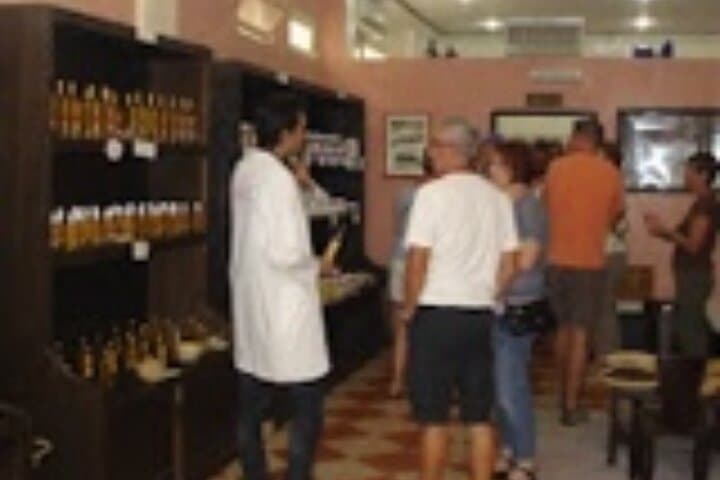
Yes — the argan-oil workshop includes a demonstration and a serving of Moroccan mint tea with bread; tastings are typical.
The Kasbah dates to the 16th century and overlooks a city largely rebuilt after the devastating 1960 earthquake, reflecting modern planning beside older ruins.
Argan forests are locally important; buying from certified cooperatives supports sustainable harvesting and women’s economic initiatives while reducing pressure on wild stands.
Agadir Fun operates guided outdoor trips and adventures with an emphasis on safety, stewardship, and memorable experiences.
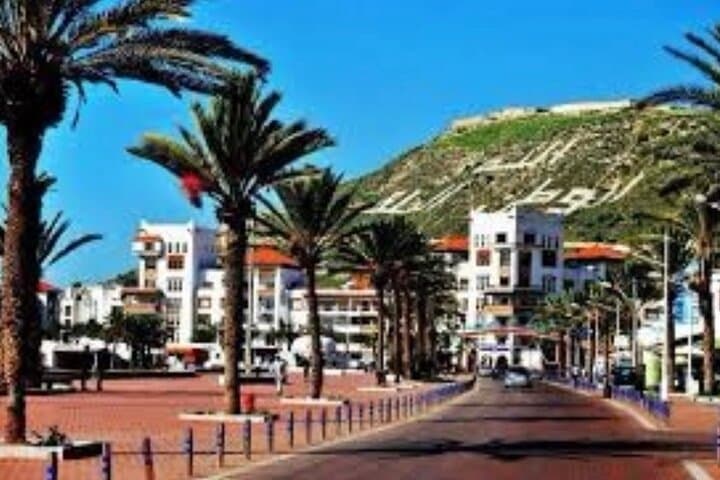


The climb from the coastal boulevard lands you beneath the ruined ramparts of Agadir’s Kasbah, where wind and sea-salt carve sound into stone and the Atlantic breeze almost dares you to pause and look back over the city.
The climb from the coastal boulevard lands you beneath the ruined ramparts of Agadir’s Kasbah, where wind and sea-salt carve sound into stone and the Atlantic breeze almost dares you to pause and look back over the city.
This four-hour private circuit threads three distinct chapters: the hilltop Kasbah (built in 1572), an argan-oil workshop where local producers demonstrate cold-press methods, and the sprawling Souk El Had with its walled alleys and sectorized stalls. Geologically, Agadir sits on a short coastal plain backed by the low Anti-Atlas foothills; the shore’s Atlantic influence keeps temperatures mild and feeds a steady wind that scours the shore and cools the medina.
Culturally the tour is practical: you’ll see craft techniques and meet vendors linked to community co-ops. Historically, the Kasbah overlooks a city rebuilt after the 1960 earthquake, its ruins a clear reminder of resilience and modern planning. Expect sensory contrasts — the Kasbah’s dry, bright light against the shaded spice aisles and the nutty fragrance of freshly pressed argan oil.
Practical guidance: wear closed-toe walking shoes for uneven Kasbah stone, carry cash (dirhams) for the souk, and bring sun protection; bargaining is common but polite. Plan the tour for morning or late afternoon to avoid the strongest sun and to get softer light on the Kasbah. If accessibility or private pickup matters, confirm details ahead; guide-led stops include time for exploration and a short tea service at the argan workshop.