THE ADVENTURE COLLECTIVE® · Independent discovery and booking for outdoor travel

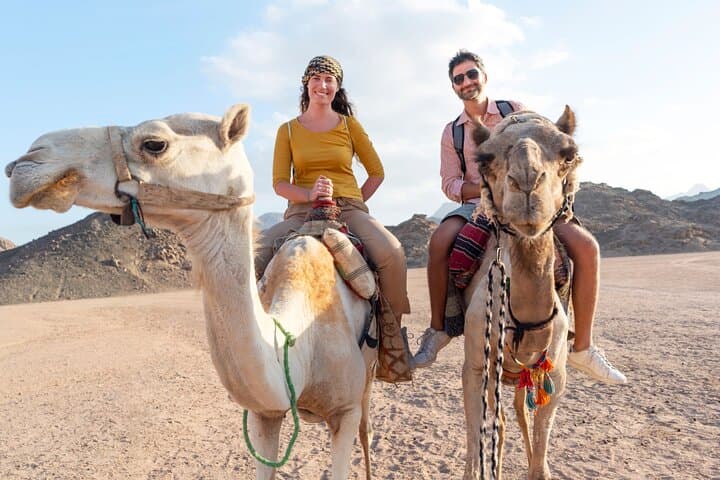
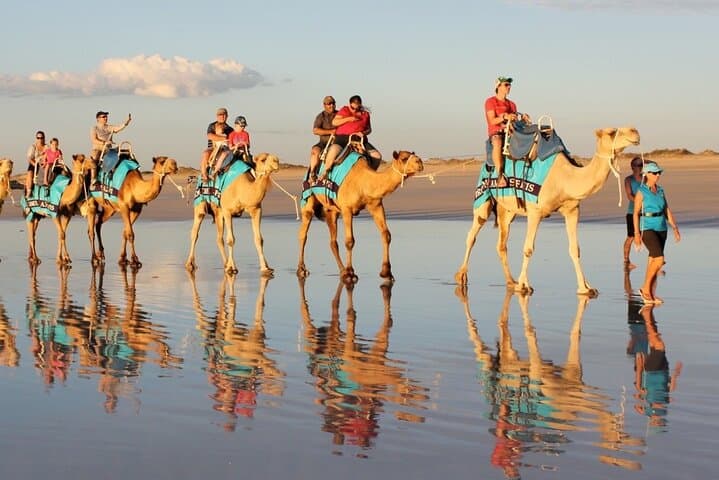
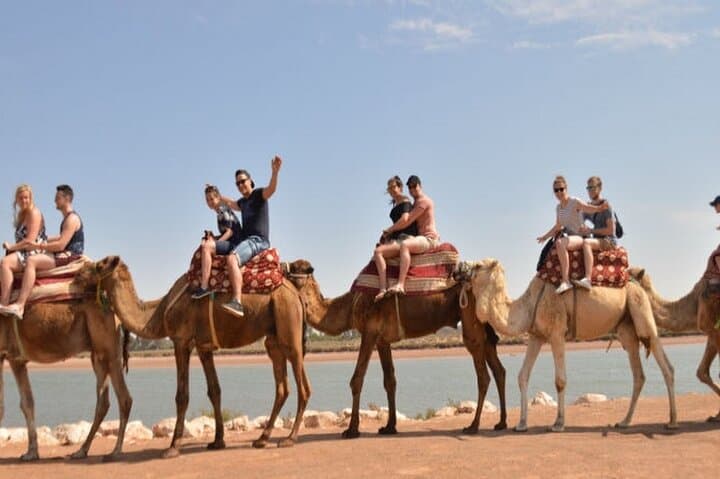
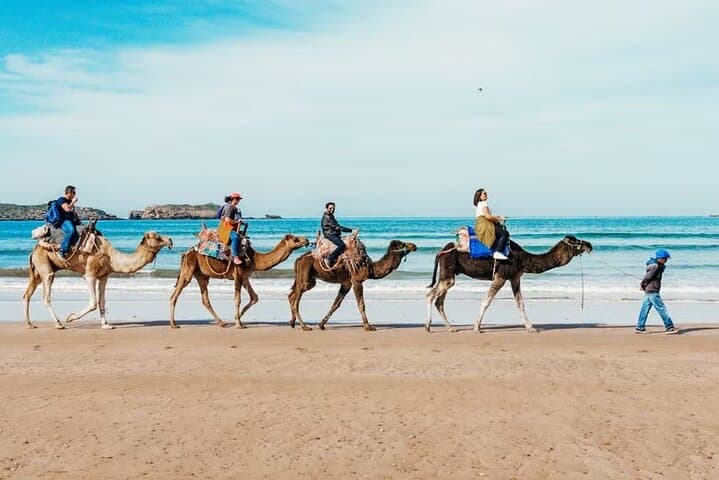
Take a slow two-hour camel ride on the dunes above Agadir, crossing eucalyptus fringes toward the Oued Souss estuary. Expect easy terrain, coastal birdlife, and a mild cultural exchange with local camel handlers.
Take a slow two-hour camel ride on the dunes above Agadir, crossing eucalyptus fringes toward the Oued Souss estuary. Expect easy terrain, coastal birdlife, and a mild cultural exchange with local camel handlers.
You climb onto a broad-backed camel as the Atlantic wind irons flat the morning heat. The caravan moves slow and sure across low sand dunes, the city shrinking behind you while a line of eucalyptus murmurs to your left. After a few minutes the animals find a steady rhythm; the world narrows to sand, sky and the cry of distant waders at the mouth of Oued Souss.
Verified experiences and guided adventures in the surrounding area.
Operated by Agadir Discovery · Agadir, Souss-Massa
You climb onto a broad-backed camel as the Atlantic wind irons flat the morning heat. The caravan moves slow and sure across low sand dunes, the city shrinking behind you while a line of eucalyptus murmurs to your left. After a few minutes the animals find a steady rhythm; the world narrows to sand, sky and the cry of distant waders at the mouth of Oued Souss.
Camels were the coastal analogue of Saharan caravans—essential transport long before roads—and riding one here is a living echo of that history. Geologically the coastline is young: wind-blown dunes built against a shallow coastal plain and threaded where the Souss River meets the sea. Culturally this stretch is shaped by Amazigh (Berber) and Arabic fishing and farming traditions; local camel handlers often come from families with generations of animal care.
In practical terms the experience is straightforward: roughly 2 hours total, a gentle pace covering about 4–6 km over soft dunes and packed sand, with negligible elevation gain. Pickup from central Agadir is common and transfers use air-conditioned vehicles; groups are small (up to ~14). Expect sand, sun, and seabird activity—bring water, sun protection and solid shoes for walking when dismounting. Not recommended for pregnant travelers or those with serious spinal or heart issues.
Timing matters: early morning or late afternoon gives cooler temperatures and better light for photos, and you’ll have the best chance to see flamingos, storks and other migratory birds at the estuary. Respect handlers’ directions, give animals space when photographing, and tip guides for local livelihoods.
easy.
2 hours.
Minimal fitness required—able to mount/dismount a camel and sit comfortably for two hours
The camel site is about 7–10 km from central Agadir; most operators include a short air-conditioned transfer from city hotels.
Yes—this activity is family-friendly, but children should be able to sit securely and follow handlers’ safety instructions.
Light, breathable clothing, closed-toe shoes for walking, sun protection (hat, sunglasses), and layers for cooler mornings or evenings.
Tipping is common and appreciated—plan a small cash gratuity for the handler and driver if service was good.
Camels were a primary coastal transport for regional trade; the Souss plain has long supported Amazigh communities and seasonal fishing settlements.
Dunes and the estuary are sensitive bird habitats—stay on designated routes, avoid disturbing flocks, and carry out all waste to reduce impact.
Agadir Discovery operates guided outdoor trips and adventures with an emphasis on safety, stewardship, and memorable experiences.
You climb onto a broad-backed camel as the Atlantic wind irons flat the morning heat. The caravan moves slow and sure across low sand dunes, the city shrinking behind you while a line of eucalyptus murmurs to your left. After a few minutes the animals find a steady rhythm; the world narrows to sand, sky and the cry of distant waders at the mouth of Oued Souss.
You climb onto a broad-backed camel as the Atlantic wind irons flat the morning heat. The caravan moves slow and sure across low sand dunes, the city shrinking behind you while a line of eucalyptus murmurs to your left. After a few minutes the animals find a steady rhythm; the world narrows to sand, sky and the cry of distant waders at the mouth of Oued Souss.
Camels were the coastal analogue of Saharan caravans—essential transport long before roads—and riding one here is a living echo of that history. Geologically the coastline is young: wind-blown dunes built against a shallow coastal plain and threaded where the Souss River meets the sea. Culturally this stretch is shaped by Amazigh (Berber) and Arabic fishing and farming traditions; local camel handlers often come from families with generations of animal care.
In practical terms the experience is straightforward: roughly 2 hours total, a gentle pace covering about 4–6 km over soft dunes and packed sand, with negligible elevation gain. Pickup from central Agadir is common and transfers use air-conditioned vehicles; groups are small (up to ~14). Expect sand, sun, and seabird activity—bring water, sun protection and solid shoes for walking when dismounting. Not recommended for pregnant travelers or those with serious spinal or heart issues.
Timing matters: early morning or late afternoon gives cooler temperatures and better light for photos, and you’ll have the best chance to see flamingos, storks and other migratory birds at the estuary. Respect handlers’ directions, give animals space when photographing, and tip guides for local livelihoods.