THE ADVENTURE COLLECTIVE® · Independent discovery and booking for outdoor travel

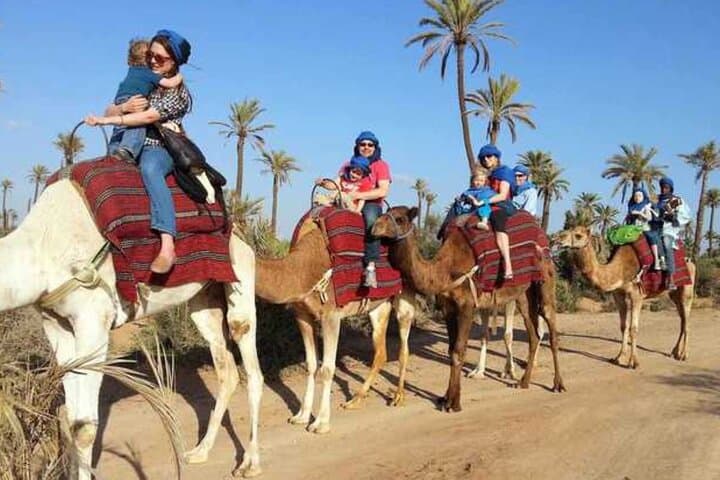
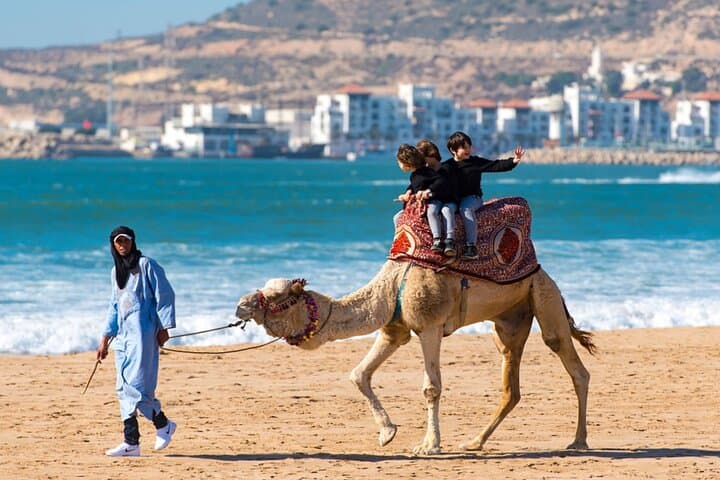
Ride camels or horses outside Agadir along the Souss river and through eucalyptus stands. This two-hour ranch tour mixes riverside tracks, low dunes and birdwatching opportunities for a paced, scenic outing.
Ride camels or horses outside Agadir along the Souss river and through eucalyptus stands. This two-hour ranch tour mixes riverside tracks, low dunes and birdwatching opportunities for a paced, scenic outing.
Morning light sharpens the eucalyptus leaves as you climb into a wooden saddle and feel the animal shift beneath you—slow, deliberate, and oddly reassuring. The ranch ride outside Agadir threads river terraces and low dunes, pushes along shaded eucalyptus corridors, and offers sudden openings where the Souss river stretches toward the Atlantic. Birds wheel overhead; flamingos sometimes color the salt flats like a careful splash of paint.
Verified experiences and guided adventures in the surrounding area.
Operated by Agadir exkursion · Agadir, Souss-Massa
Morning light sharpens the eucalyptus leaves as you climb into a wooden saddle and feel the animal shift beneath you—slow, deliberate, and oddly reassuring. The ranch ride outside Agadir threads river terraces and low dunes, pushes along shaded eucalyptus corridors, and offers sudden openings where the Souss river stretches toward the Atlantic. Birds wheel overhead; flamingos sometimes color the salt flats like a careful splash of paint.
This ride sits at the intersection of human and geological history: the Souss plain was shaped by alluvial deposits from the Atlas and the migrating Atlantic shoreline. Agadir itself was rebuilt after the 1960 earthquake and now blends Berber, Arab and European influences—local guides often point out small palmeries, olive plots and the royal residence visible from higher trails.
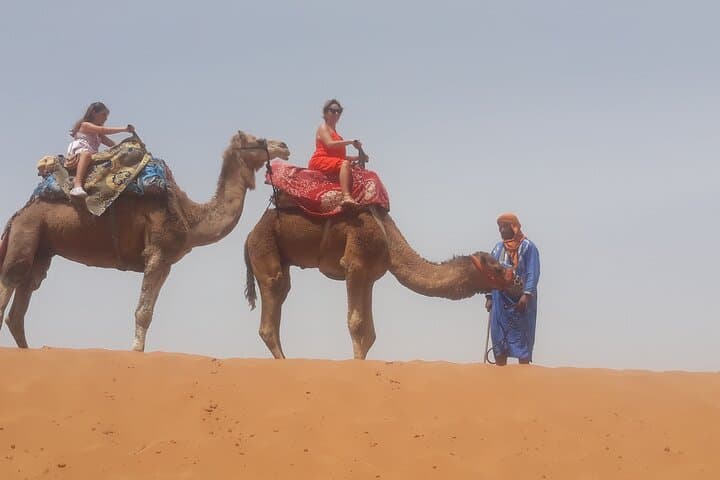
Expect two hours of mostly flat riding with short, stony tracks and sandy stretches. The ranch route follows riverbanks, cuts through eucalyptus shelter, and can climb low ridgelines for panoramic views. Cultural notes: camel transport has long been part of Saharan and pre-Saharan life here, while horseback riding reflects agricultural and show traditions in Morocco.
Practical guidance: arrive hydrated and with sun protection, wear closed-toe shoes and long pants to prevent chafing. Rides are suitable for moderately fit travelers; children under 13 must be accompanied. Morning and late-afternoon departures are cooler and better for wildlife viewing. Respect handlers’ instructions, carry cash for tips, and keep distances from nesting birds and salt flat habitats to minimize disturbance.
moderate.
2 hours.
Moderate fitness — able to sit for extended periods and walk short distances if required
No — guides handle animals and rides are paced for novices; inform staff if you are inexperienced.
Children under 13 must be accompanied by an adult or guide who assists during the ride.
Transfers from central Agadir, animal ride (camel or horse), and an English-speaking guide are typically included; confirm on booking.
Rides may be canceled for heavy rain or unsafe ground—check cancellation policy and reschedule if needed.
The Souss plain has been an agricultural corridor for centuries; camels and horses played key roles in trade and local transport across southern Morocco.
Stick to designated tracks to protect salt flats and riparian vegetation; local operators aim to minimize disturbance to bird habitats and ask riders to avoid feeding wildlife.
Agadir exkursion operates guided outdoor trips and adventures with an emphasis on safety, stewardship, and memorable experiences.
Morning light sharpens the eucalyptus leaves as you climb into a wooden saddle and feel the animal shift beneath you—slow, deliberate, and oddly reassuring. The ranch ride outside Agadir threads river terraces and low dunes, pushes along shaded eucalyptus corridors, and offers sudden openings where the Souss river stretches toward the Atlantic. Birds wheel overhead; flamingos sometimes color the salt flats like a careful splash of paint.
Morning light sharpens the eucalyptus leaves as you climb into a wooden saddle and feel the animal shift beneath you—slow, deliberate, and oddly reassuring. The ranch ride outside Agadir threads river terraces and low dunes, pushes along shaded eucalyptus corridors, and offers sudden openings where the Souss river stretches toward the Atlantic. Birds wheel overhead; flamingos sometimes color the salt flats like a careful splash of paint.
This ride sits at the intersection of human and geological history: the Souss plain was shaped by alluvial deposits from the Atlas and the migrating Atlantic shoreline. Agadir itself was rebuilt after the 1960 earthquake and now blends Berber, Arab and European influences—local guides often point out small palmeries, olive plots and the royal residence visible from higher trails.
Expect two hours of mostly flat riding with short, stony tracks and sandy stretches. The ranch route follows riverbanks, cuts through eucalyptus shelter, and can climb low ridgelines for panoramic views. Cultural notes: camel transport has long been part of Saharan and pre-Saharan life here, while horseback riding reflects agricultural and show traditions in Morocco.
Practical guidance: arrive hydrated and with sun protection, wear closed-toe shoes and long pants to prevent chafing. Rides are suitable for moderately fit travelers; children under 13 must be accompanied. Morning and late-afternoon departures are cooler and better for wildlife viewing. Respect handlers’ instructions, carry cash for tips, and keep distances from nesting birds and salt flat habitats to minimize disturbance.