THE ADVENTURE COLLECTIVE® · Independent discovery and booking for outdoor travel

Kick up dust on a two‑hour buggy run south of Agadir, crossing argan groves, Berber villages and sun‑bleached dunes. This practical guide explains what to expect, how to prepare and why timing and gear matter for the best ride.
Kick up dust on a two‑hour buggy run south of Agadir, crossing argan groves, Berber villages and sun‑bleached dunes. This practical guide explains what to expect, how to prepare and why timing and gear matter for the best ride.
The engine stutters to life and the narrow track ahead opens into a patchwork of argan trees, fig groves and sun-baked red soil. You nose the buggy forward, dust rising like a challenge from the pre‑Saharan plain; the dunes to the south dare you to push a little harder.
Verified experiences and guided adventures in the surrounding area.
Operated by Amallay Adventures · Agadir, Souss-Massa
The engine stutters to life and the narrow track ahead opens into a patchwork of argan trees, fig groves and sun-baked red soil. You nose the buggy forward, dust rising like a challenge from the pre‑Saharan plain; the dunes to the south dare you to push a little harder.
This two‑hour run south of Agadir threads rural Berber villages and working farmland where argan cooperatives have collected oil for generations. Geologically the route skirts the coastal plain before climbing small ridgelines of wind‑smoothed sand and pale sediment — the land here is young in desert terms, an arena of shifting dunes and compacted terraces that shape local agriculture. Culturally, the ride moves through Amazigh‑speaking communities; guides often stop to explain argan harvesting and shared farming traditions.
Expect a mix of hardpacked dirt, occasional sand tracks and short stretches of loose gravel; elevation changes are modest (tens of metres) but traction on dune approaches can be fickle. The tour includes a safety briefing, helmets and goggles, Moroccan tea and a short homemade Berber breakfast at the midway stop, and hotel transfers are typically included.
Practical advice: bring sturdy closed‑toe shoes, layered breathable clothing, sunscreen and a small hydration pack. Cameras are fine but secure them; you’ll want hands free for steering. Not recommended for pregnant travelers or those with serious spinal or heart conditions. Tours are best early morning or late afternoon to avoid peak heat and maximize light for photos. Ride with respect for villages and argan trees — local guides balance speed with cultural and ecological care.
moderate.
2 hours.
Light physical ability required — able to get in/out of low vehicles and handle bumps; not strenuous.
Most bookings include hotel pickup and drop‑off; your booking confirmation will list the exact pickup point and time.
Yes — guides provide helmets and protective eyewear and will fit them during the safety briefing.
Not recommended for pregnant travelers or those with serious spinal, neck or cardiovascular issues; check with the operator if uncertain.
Full refund when canceled at least 24 hours before the scheduled departure; check your booking for exact terms.
The area is traditionally Amazigh (Berber) countryside where argan oil production and small‑scale farming have shaped settlement and land use for centuries.
Argan forests are ecologically important and under protection; support local cooperatives and avoid driving over root zones to reduce erosion and tree loss.
Amallay Adventures operates guided outdoor trips and adventures with an emphasis on safety, stewardship, and memorable experiences.
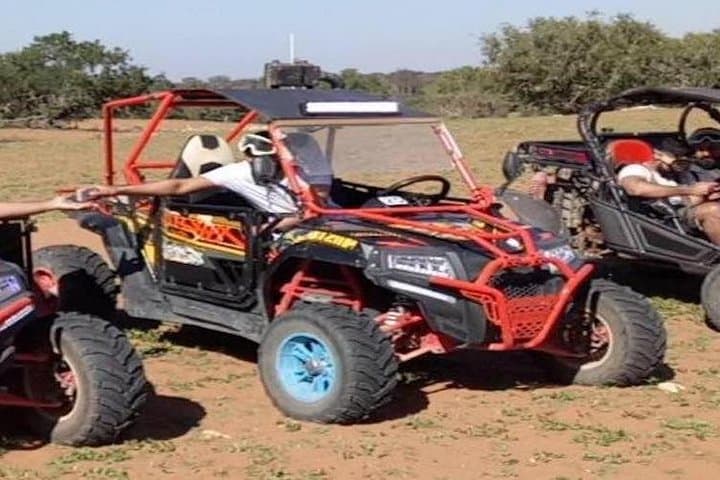
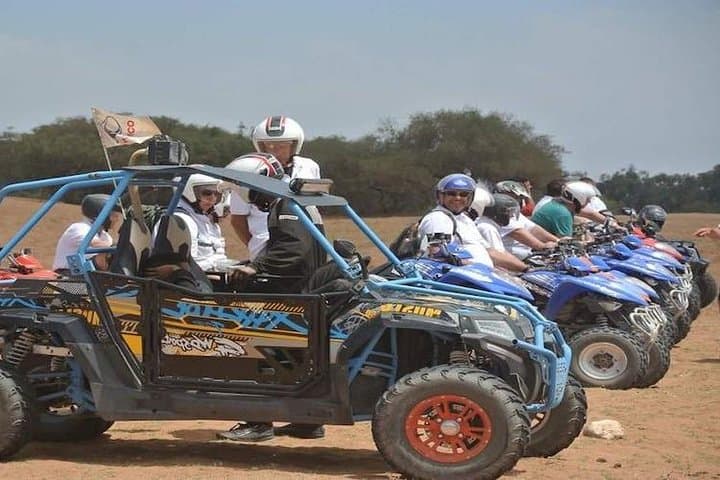
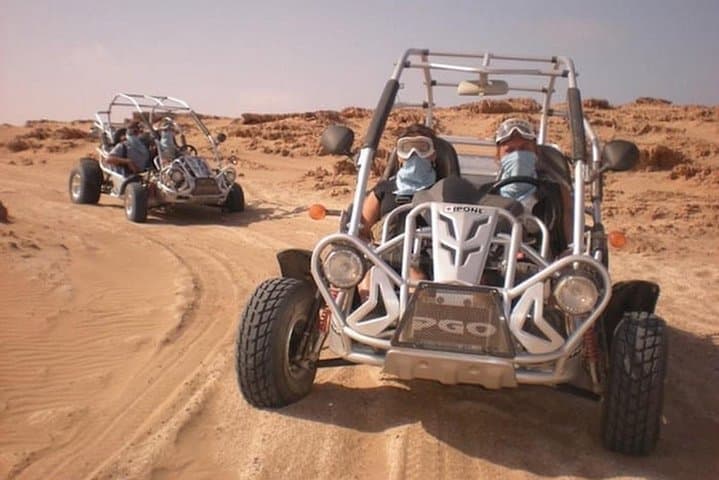
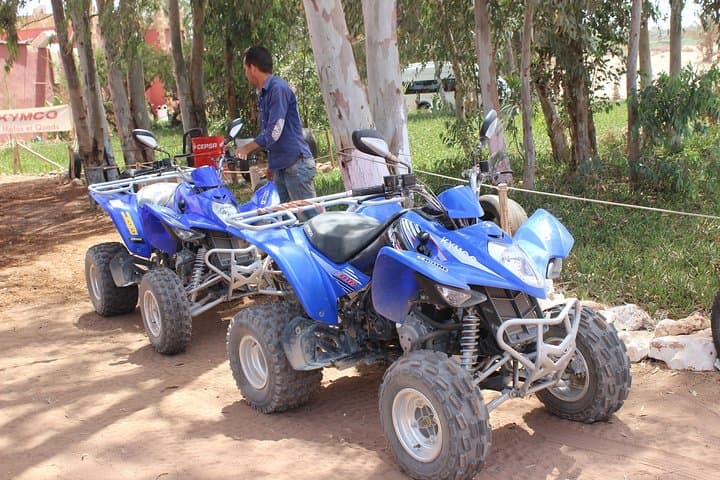
The engine stutters to life and the narrow track ahead opens into a patchwork of argan trees, fig groves and sun-baked red soil. You nose the buggy forward, dust rising like a challenge from the pre‑Saharan plain; the dunes to the south dare you to push a little harder.
The engine stutters to life and the narrow track ahead opens into a patchwork of argan trees, fig groves and sun-baked red soil. You nose the buggy forward, dust rising like a challenge from the pre‑Saharan plain; the dunes to the south dare you to push a little harder.
This two‑hour run south of Agadir threads rural Berber villages and working farmland where argan cooperatives have collected oil for generations. Geologically the route skirts the coastal plain before climbing small ridgelines of wind‑smoothed sand and pale sediment — the land here is young in desert terms, an arena of shifting dunes and compacted terraces that shape local agriculture. Culturally, the ride moves through Amazigh‑speaking communities; guides often stop to explain argan harvesting and shared farming traditions.
Expect a mix of hardpacked dirt, occasional sand tracks and short stretches of loose gravel; elevation changes are modest (tens of metres) but traction on dune approaches can be fickle. The tour includes a safety briefing, helmets and goggles, Moroccan tea and a short homemade Berber breakfast at the midway stop, and hotel transfers are typically included.
Practical advice: bring sturdy closed‑toe shoes, layered breathable clothing, sunscreen and a small hydration pack. Cameras are fine but secure them; you’ll want hands free for steering. Not recommended for pregnant travelers or those with serious spinal or heart conditions. Tours are best early morning or late afternoon to avoid peak heat and maximize light for photos. Ride with respect for villages and argan trees — local guides balance speed with cultural and ecological care.