THE ADVENTURE COLLECTIVE® · Independent discovery and booking for outdoor travel

Drive through the Souss Valley in a 4x4, ride a camel across small Saharan-style dunes at sunset, and finish with a traditional Berber dinner. This full-day excursion blends easy off-road adventure with cultural stops and panoramic viewpoints at Youssef Ibn Tashfine Dam.
Drive through the Souss Valley in a 4x4, ride a camel across small Saharan-style dunes at sunset, and finish with a traditional Berber dinner. This full-day excursion blends easy off-road adventure with cultural stops and panoramic viewpoints at Youssef Ibn Tashfine Dam.
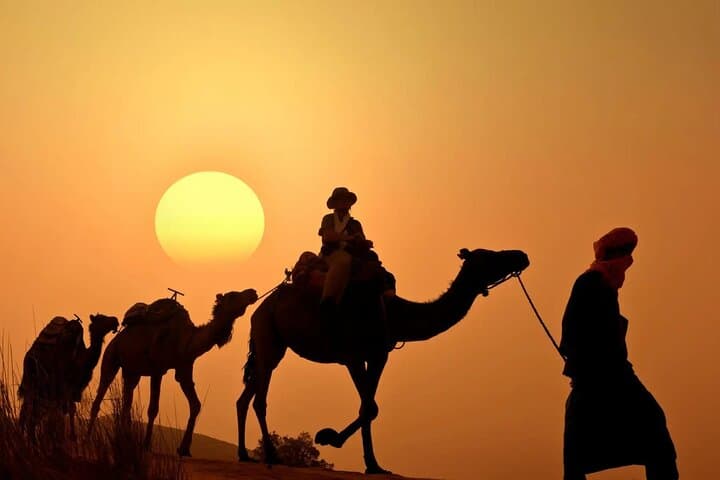
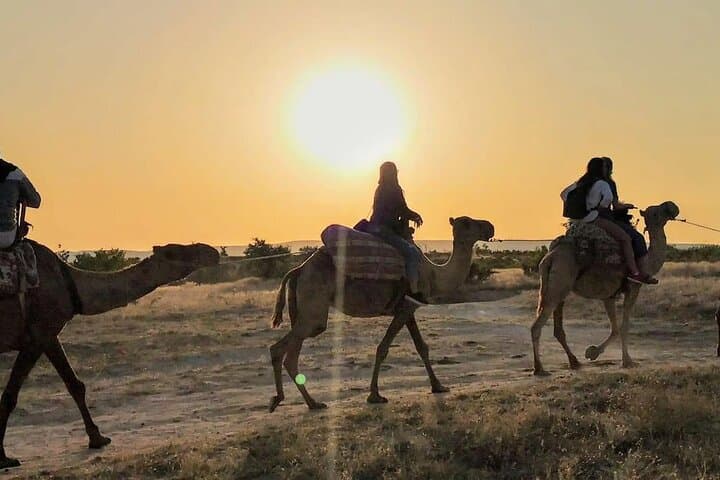
The afternoon air tastes of eucalyptus and salt as an air-conditioned 4x4 slips away from Agadir toward the wide, cultivated lowlands of the Souss Valley. Tires crunch over gravel tracks, then give way to soft sand; in the distance a line of low dunes catches the light and the caravan of camels waits, silhouettes sharpening as the sun leans west.
Verified experiences and guided adventures in the surrounding area.
Operated by Abdoul Agadir · Agadir, Souss-Massa
The afternoon air tastes of eucalyptus and salt as an air-conditioned 4x4 slips away from Agadir toward the wide, cultivated lowlands of the Souss Valley. Tires crunch over gravel tracks, then give way to soft sand; in the distance a line of low dunes catches the light and the caravan of camels waits, silhouettes sharpening as the sun leans west.
This route threads agricultural terraces, small Berber villages and wild Atlantic beaches. Geologically, the valley is a river plain fed by the Anti-Atlas runoff; sand swept from older coastal deposits builds the compact dunes you’ll cross — modest in height (often 20–40 m) but dramatic at sunset. The Youssef Ibn Tashfine Dam punctuates the drive with a manmade lake and broad viewpoints that reveal layered terraces and the ridge lines of the High Atlas beyond. Culturally, the area remains shaped by Amazigh (Berber) farming traditions: mudbrick homes, olive and argan groves, and a slow daily rhythm you’ll glimpse during village stops.
Practically, expect an 8‑hour outing with mostly vehicle transit and short, guided walks; the camel component is gentle and suitable for first-timers. Terrain alternates paved roads, rutted tracks and loose sand, so wear closed-toe shoes and prepare for wind and sun. Bring water, a light insulating layer for the cooling evening, and a camera with fast-shutter settings for sunset color. The experience balances simple comforts — a traditional dinner served in a local setting — with rugged scenery: it’s part cultural visit, part compact desert encounter, and entirely focused on the horizon as daylight slips beneath the dunes.
easy.
8 hours.
Low-impact; suitable for most fitness levels with limited walking and short camel rides.
Camel rides on this tour are typically short—about 20–30 minutes—designed for viewing sunset rather than extended trekking.
Yes; the outing is described as suitable for all fitness levels. Drivers and guides assist with camel mounting and transfers, but inform the operator of mobility needs when booking.
Yes; the itinerary includes stops at panoramic viewpoints (Youssef Ibn Tashfine Dam) and dune sections specifically timed for photography at golden hour.
Local guides commonly speak Arabic and French; many operators catering to tourists also speak English—confirm language needs at booking.
The Souss Valley has long been an agricultural corridor linking inland Amazigh communities to Atlantic trade routes; modern dams like Youssef Ibn Tashfine transformed irrigation and local livelihoods in the late 20th century.
Respect argan groves and dune vegetation—stay on established tracks to prevent erosion, and use local guides who support community-based tourism.
Abdoul Agadir operates guided outdoor trips and adventures with an emphasis on safety, stewardship, and memorable experiences.
The afternoon air tastes of eucalyptus and salt as an air-conditioned 4x4 slips away from Agadir toward the wide, cultivated lowlands of the Souss Valley. Tires crunch over gravel tracks, then give way to soft sand; in the distance a line of low dunes catches the light and the caravan of camels waits, silhouettes sharpening as the sun leans west.
The afternoon air tastes of eucalyptus and salt as an air-conditioned 4x4 slips away from Agadir toward the wide, cultivated lowlands of the Souss Valley. Tires crunch over gravel tracks, then give way to soft sand; in the distance a line of low dunes catches the light and the caravan of camels waits, silhouettes sharpening as the sun leans west.
This route threads agricultural terraces, small Berber villages and wild Atlantic beaches. Geologically, the valley is a river plain fed by the Anti-Atlas runoff; sand swept from older coastal deposits builds the compact dunes you’ll cross — modest in height (often 20–40 m) but dramatic at sunset. The Youssef Ibn Tashfine Dam punctuates the drive with a manmade lake and broad viewpoints that reveal layered terraces and the ridge lines of the High Atlas beyond. Culturally, the area remains shaped by Amazigh (Berber) farming traditions: mudbrick homes, olive and argan groves, and a slow daily rhythm you’ll glimpse during village stops.
Practically, expect an 8‑hour outing with mostly vehicle transit and short, guided walks; the camel component is gentle and suitable for first-timers. Terrain alternates paved roads, rutted tracks and loose sand, so wear closed-toe shoes and prepare for wind and sun. Bring water, a light insulating layer for the cooling evening, and a camera with fast-shutter settings for sunset color. The experience balances simple comforts — a traditional dinner served in a local setting — with rugged scenery: it’s part cultural visit, part compact desert encounter, and entirely focused on the horizon as daylight slips beneath the dunes.