THE ADVENTURE COLLECTIVE® · Independent discovery and booking for outdoor travel

Head into Kaudulla in the mellow hours to catch migrating elephant herds, resident birds, and crocodiles around an ancient irrigation tank. This 3–4 hour afternoon game drive from Habarana offers focused wildlife viewing with hotel pick-up and light refreshments.
Head into Kaudulla in the mellow hours to catch migrating elephant herds, resident birds, and crocodiles around an ancient irrigation tank. This 3–4 hour afternoon game drive from Habarana offers focused wildlife viewing with hotel pick-up and light refreshments.
You pull away from Habarana as the heat softens into late afternoon and the road trims itself to a single ribbon between scrub and tank bunds. By the time the jeep bumps into Kaudulla’s entrance gate the light has gone golden; the reservoir throws back low-reflection mirrors and the tall grass bristles with movement.
Verified experiences and guided adventures in the surrounding area.
Operated by The Mice Team · Habarana, North Central Province
You pull away from Habarana as the heat softens into late afternoon and the road trims itself to a single ribbon between scrub and tank bunds. By the time the jeep bumps into Kaudulla’s entrance gate the light has gone golden; the reservoir throws back low-reflection mirrors and the tall grass bristles with movement.
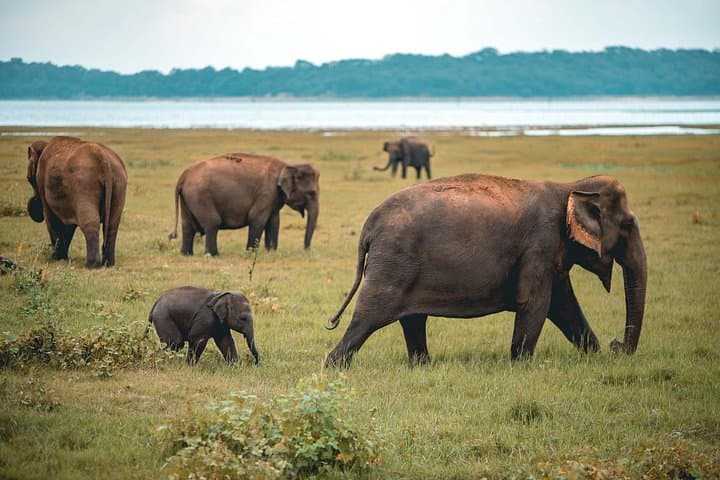
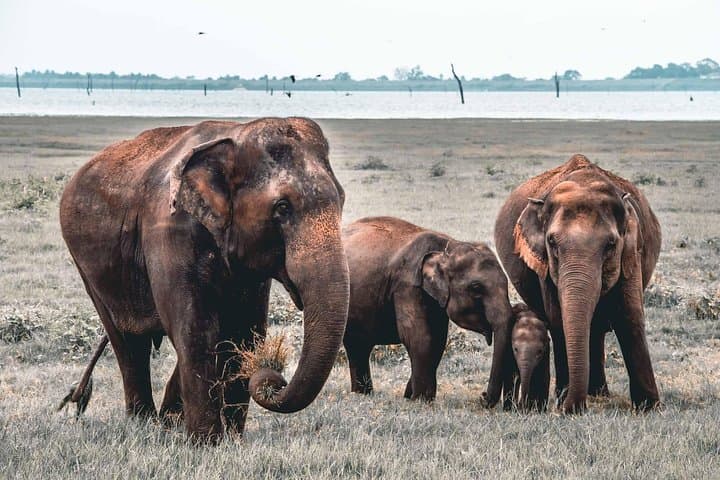
Kaudulla was born from ancient hydraulic engineering — one of the big tanks attributed to King Mahasen — and its shallow lake and surrounding plains are shaped by centuries of irrigation and seasonal flooding. Geologically flat and punctuated by isolated granite outcrops, the park is less about altitude and more about water: a magnet for Asian elephants that migrate here from Minneriya in the dry months, and a stopover for dozens of resident and migrant bird species.
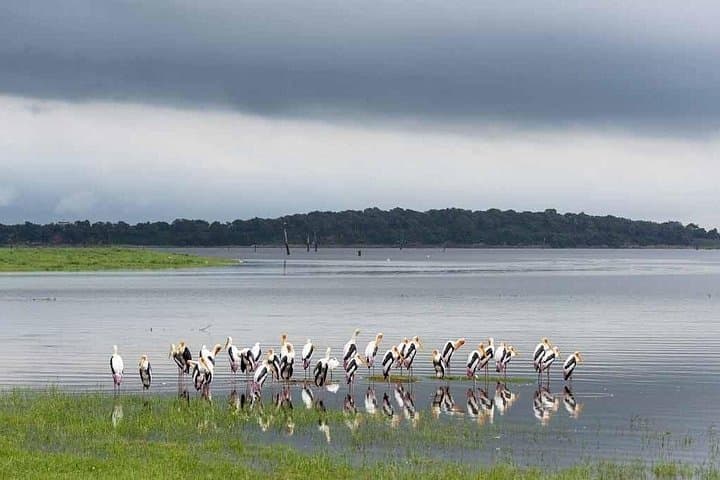
On an afternoon game drive you’ll scan open grasslands, shadowed scrub, and the waterline where crocodiles watch and herons quarter the shallows. Cultural markers — Buddhist stupas and rural villages — sit quietly beyond the park boundary, a reminder that human history runs alongside wild behavior here.
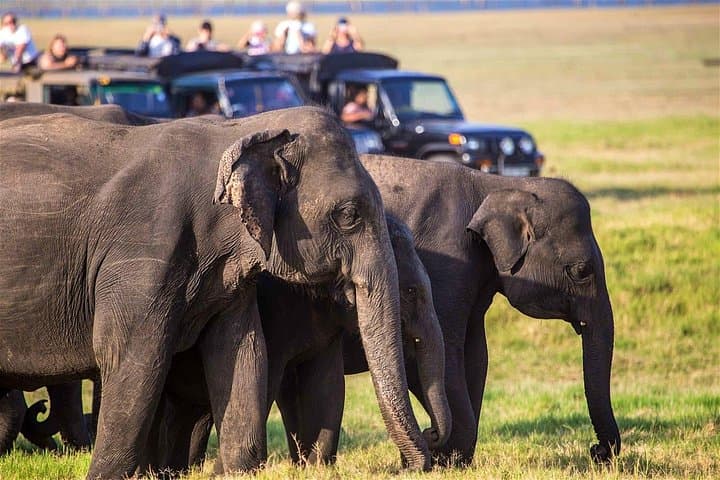
Practicalities: Plan for a 3–4 hour trip starting mid-afternoon; light refreshments are commonly provided and hotel pick-up from Habarana, Sigiriya or Dambulla is standard. Wear breathable long sleeves for sun and insects, bring binoculars and a camera with a telephoto lens, and expect bumpy roads — a firm suspension and steady hands make spotting leopards or a fishing rusty-spotted cat easier. The best elephant viewing runs August–December during seasonal migration; mornings and late afternoons concentrate most wildlife activity.
easy.
3–4 hours.
Suitable for most fitness levels; requires ability to get in/out of a safari jeep and tolerate bumps.
The peak period is August–December, when elephants migrate from Minneriya to Kaudulla; late afternoons and mornings concentrate activity.
This afternoon game drive runs about 3–4 hours and typically includes hotel pickup and drop-off from Habarana, Sigiriya, or Dambulla.
Safaris are family-friendly but not recommended for pregnant travelers or anyone with serious spinal or cardiovascular conditions due to bumpy vehicle terrain.
Expect waterbirds, macaques, sambar deer, crocodiles, and occasionally small cats like the rusty-spotted cat; leopards are rare but possible.
Kaudulla sits on one of the ancient irrigation tanks attributed to King Mahasen, part of Sri Lanka’s historic water-management network.
Seasonal elephant migrations rely on connected dry-season feeding grounds; support responsible operators who adhere to park rules and limit vehicle intrusion.
The Mice Team operates guided outdoor trips and adventures with an emphasis on safety, stewardship, and memorable experiences.
You pull away from Habarana as the heat softens into late afternoon and the road trims itself to a single ribbon between scrub and tank bunds. By the time the jeep bumps into Kaudulla’s entrance gate the light has gone golden; the reservoir throws back low-reflection mirrors and the tall grass bristles with movement.
You pull away from Habarana as the heat softens into late afternoon and the road trims itself to a single ribbon between scrub and tank bunds. By the time the jeep bumps into Kaudulla’s entrance gate the light has gone golden; the reservoir throws back low-reflection mirrors and the tall grass bristles with movement.
Kaudulla was born from ancient hydraulic engineering — one of the big tanks attributed to King Mahasen — and its shallow lake and surrounding plains are shaped by centuries of irrigation and seasonal flooding. Geologically flat and punctuated by isolated granite outcrops, the park is less about altitude and more about water: a magnet for Asian elephants that migrate here from Minneriya in the dry months, and a stopover for dozens of resident and migrant bird species.
On an afternoon game drive you’ll scan open grasslands, shadowed scrub, and the waterline where crocodiles watch and herons quarter the shallows. Cultural markers — Buddhist stupas and rural villages — sit quietly beyond the park boundary, a reminder that human history runs alongside wild behavior here.
Practicalities: Plan for a 3–4 hour trip starting mid-afternoon; light refreshments are commonly provided and hotel pick-up from Habarana, Sigiriya or Dambulla is standard. Wear breathable long sleeves for sun and insects, bring binoculars and a camera with a telephoto lens, and expect bumpy roads — a firm suspension and steady hands make spotting leopards or a fishing rusty-spotted cat easier. The best elephant viewing runs August–December during seasonal migration; mornings and late afternoons concentrate most wildlife activity.