THE ADVENTURE COLLECTIVE® · Independent discovery and booking for outdoor travel

Skip the dawn rush and take an afternoon approach to Vinicunca, the striped summit outside Cusco. This 12‑hour outing balances a manageable hike with high‑altitude realities — oxygen and lunch are included, but acclimatization and layered gear remain essential.
Skip the dawn rush and take an afternoon approach to Vinicunca, the striped summit outside Cusco. This 12‑hour outing balances a manageable hike with high‑altitude realities — oxygen and lunch are included, but acclimatization and layered gear remain essential.
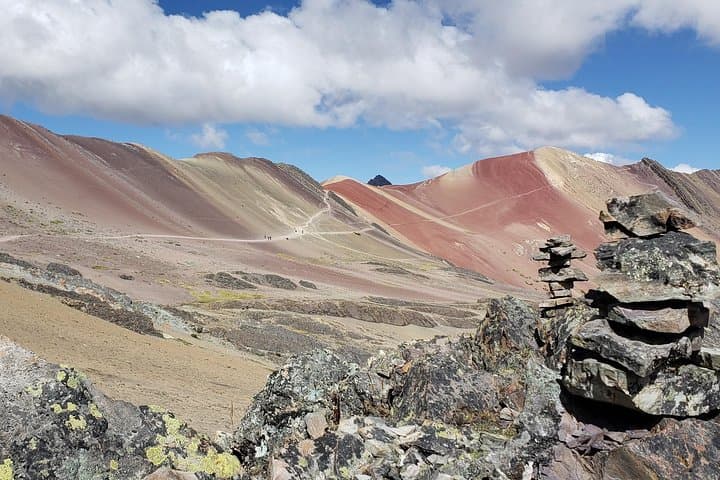
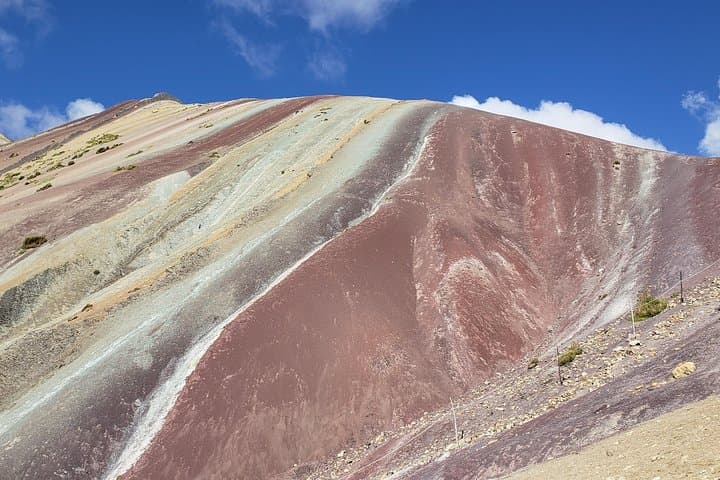
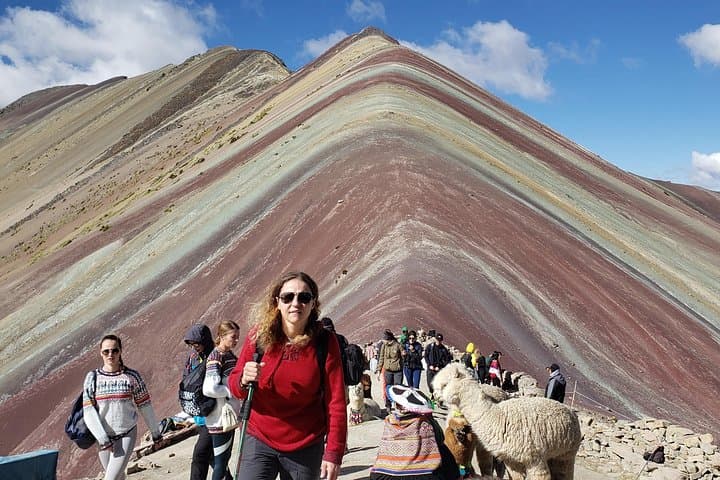
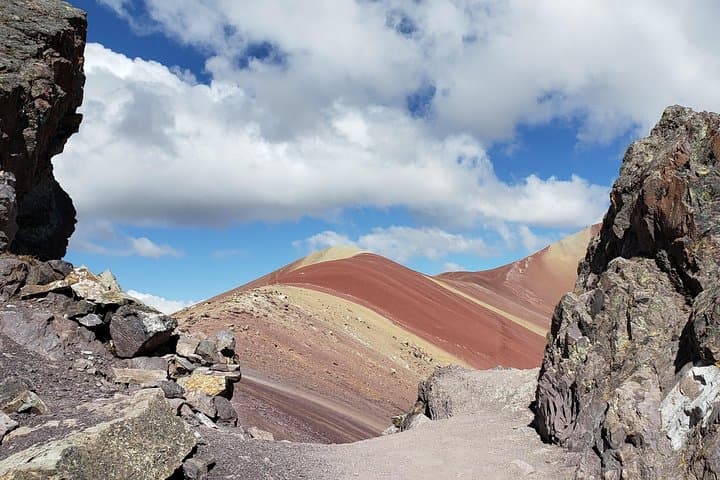
Late light slides across the high Andes as your van climbs away from Cusco and the air thins. By mid-afternoon you step onto cold, wind-swept puna where the mountain shows its stripes: ochres, rusts, and teal bands worn bright by wind and sun. The guide points out the layered colors and the distant white crown of Ausangate, the range that gives this place both its climate and cultural weight.
Verified experiences and guided adventures in the surrounding area.
Operated by Andina Expeditions · Cusco, Cusco
Late light slides across the high Andes as your van climbs away from Cusco and the air thins. By mid-afternoon you step onto cold, wind-swept puna where the mountain shows its stripes: ochres, rusts, and teal bands worn bright by wind and sun. The guide points out the layered colors and the distant white crown of Ausangate, the range that gives this place both its climate and cultural weight.
Geology here is practical and visible — uplifted sedimentary beds and mineral-laced clays have been exposed by glacial scraping and erosion, producing the rainbow effect visitors travel to see. The area sits in traditional Quechua territory; local herders still move llamas and sheep across summer pasturelands. The site’s rise in popularity is recent, so you’ll see a mix of local vendors, tour groups, and solitary hikers testing thin-air lungs.
Practically: this afternoon tour avoids a predawn start, but it does not avoid altitude. Expect a roughly 3 km round-trip walk from the drop-off point with 400–500 m of gain, and a single-hour visit window at the peak for photos and views. The operator includes lunch, oxygen, and a first-aid kit; bring layered clothing, sun protection, and warm gloves. Walk slowly, keep hydrated, and let the wind set the pace — it will push at you, not against you. Return to Cusco in the evening with a clearer sense of why the Andes command both reverence and respect.
challenging.
12 hours.
Requires a moderate to good aerobic base and experience with walking at altitude; be comfortable with steep, uneven trails for short periods.
The viewpoint sits around 4,800–5,200 meters; many visitors notice breathlessness and mild headache — acclimatize in Cusco and hydrate well.
The hiking portion is short (roughly 3 km round‑trip) but steep and uneven; no technical climbing skills required, just steady footing and moderate fitness.
This afternoon tour typically includes pickup from Cusco, lunch, a professional guide, oxygen and first‑aid kit, and return transport the same day.
Dry months (May–September) offer more stable weather and clearer views, but afternoons can still be windy and cool any time of year.
The colored strata reflect millions of years of sedimentation and mineral deposits; the nearby Ausangate peak is considered sacred in Andean cosmology and has long guided local seasonal grazing patterns.
High‑altitude puna is fragile — stick to established trails, avoid trampling vegetation, and pack out waste; tour operators are increasingly required to manage visitor numbers to limit erosion.
Andina Expeditions operates guided outdoor trips and adventures with an emphasis on safety, stewardship, and memorable experiences.
Late light slides across the high Andes as your van climbs away from Cusco and the air thins. By mid-afternoon you step onto cold, wind-swept puna where the mountain shows its stripes: ochres, rusts, and teal bands worn bright by wind and sun. The guide points out the layered colors and the distant white crown of Ausangate, the range that gives this place both its climate and cultural weight.
Late light slides across the high Andes as your van climbs away from Cusco and the air thins. By mid-afternoon you step onto cold, wind-swept puna where the mountain shows its stripes: ochres, rusts, and teal bands worn bright by wind and sun. The guide points out the layered colors and the distant white crown of Ausangate, the range that gives this place both its climate and cultural weight.
Geology here is practical and visible — uplifted sedimentary beds and mineral-laced clays have been exposed by glacial scraping and erosion, producing the rainbow effect visitors travel to see. The area sits in traditional Quechua territory; local herders still move llamas and sheep across summer pasturelands. The site’s rise in popularity is recent, so you’ll see a mix of local vendors, tour groups, and solitary hikers testing thin-air lungs.
Practically: this afternoon tour avoids a predawn start, but it does not avoid altitude. Expect a roughly 3 km round-trip walk from the drop-off point with 400–500 m of gain, and a single-hour visit window at the peak for photos and views. The operator includes lunch, oxygen, and a first-aid kit; bring layered clothing, sun protection, and warm gloves. Walk slowly, keep hydrated, and let the wind set the pace — it will push at you, not against you. Return to Cusco in the evening with a clearer sense of why the Andes command both reverence and respect.