THE ADVENTURE COLLECTIVE® · Independent discovery and booking for outdoor travel

Spend an afternoon from Nice following scent and art through Grasse, Tourettes-sur-Loup and Saint-Paul-de-Vence. This guided minibus tour pairs a perfumery visit with village walks and a terrace aperitif—ideal for travelers who want culture, craft and easy walking in one trip.
Spend an afternoon from Nice following scent and art through Grasse, Tourettes-sur-Loup and Saint-Paul-de-Vence. This guided minibus tour pairs a perfumery visit with village walks and a terrace aperitif—ideal for travelers who want culture, craft and easy walking in one trip.
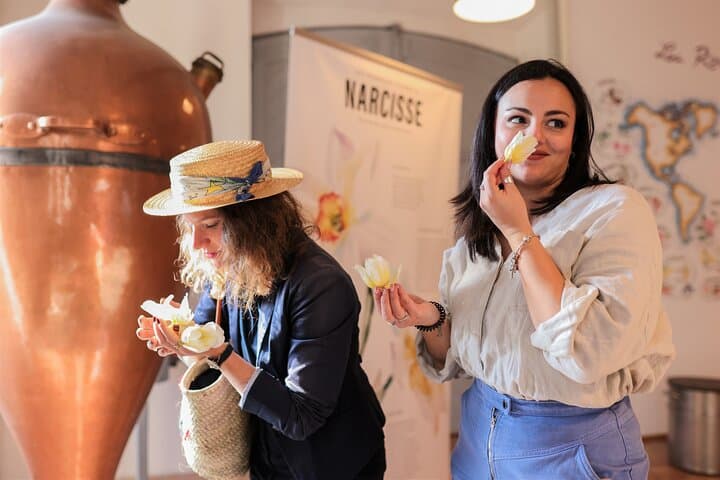
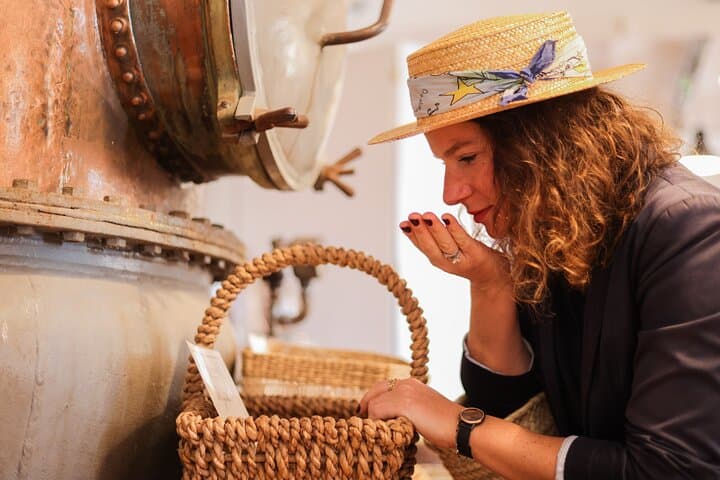
You step off the minibus into the dry, sun-warmed air of Grasse and the scent hits you first: citrus peel, raw jasmine, a faint whisper of leather from the old tanneries. The town’s steep lanes fold inward like pages of a book, and your guide threads history through the scent — how a 17th-century leather trade and a later craze for scented gloves turned Grasse into the perfume capital of the Côte d'Azur.
Verified experiences and guided adventures in the surrounding area.
Operated by Provence Reservation · Nice, Provence-Alpes-Côte d'Azur
You step off the minibus into the dry, sun-warmed air of Grasse and the scent hits you first: citrus peel, raw jasmine, a faint whisper of leather from the old tanneries. The town’s steep lanes fold inward like pages of a book, and your guide threads history through the scent — how a 17th-century leather trade and a later craze for scented gloves turned Grasse into the perfume capital of the Côte d'Azur.
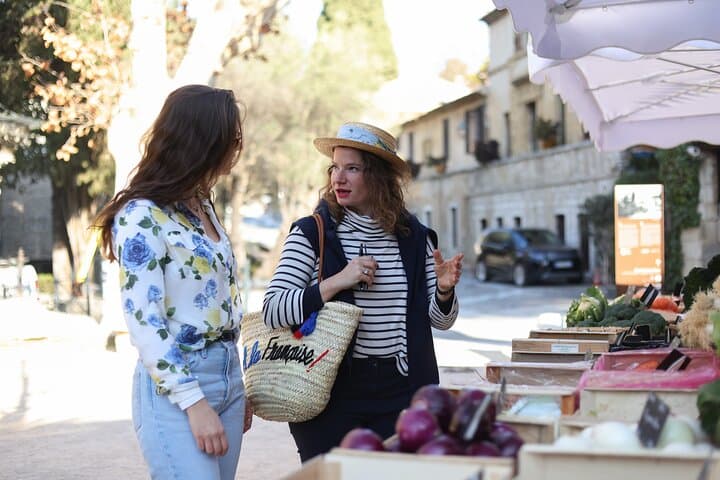
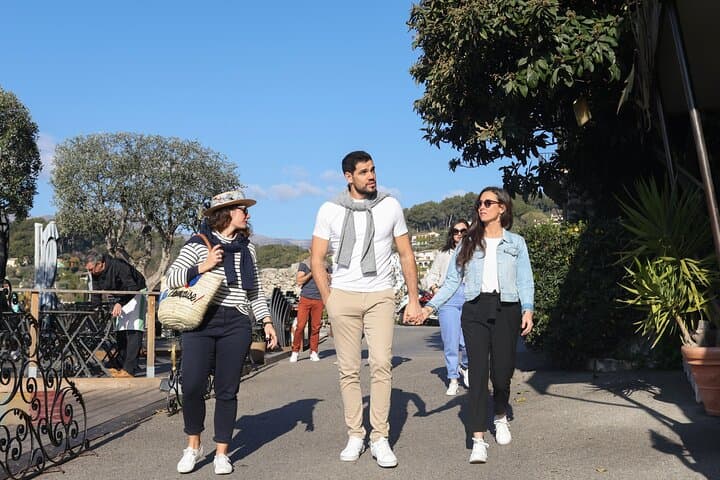
The tour moves at an easy, deliberate pace: a guided stroll through Grasse’s old quarter, a behind-the-scenes look at a working perfume house, and a drive into the limestone foothills where Tourettes-sur-Loup clings to its terraces. The route finishes with Saint-Paul-de-Vence, where narrow alleys funnel you toward galleries and stone ramparts that peer over scrubby hills. The architecture here is blunt and sunbaked, the walls holding heat and stories — Matisse and Chagall once walked these same streets looking for light.
Geology shapes the day as much as culture. The limestone of the hinterland creates thin soils that favor aromatic plants — lavender, rosemary, and wildflowers that perfumers harvest or synthesize into signature notes. In Grasse, centuries of industry refined scent-making techniques, and factories like Fragonard still demonstrate maceration and distillation methods that link local botanicals to global fragrance markets.
Culturally, the tour is an afternoon lesson in Provençal craft: perfumers explain raw-material sourcing and the balance between traditional extraction and modern sustainability. Saint-Paul-de-Vence gives the day a different tempo — contemporary art galleries and ateliers where paint, bronze, and stone converse with the village’s medieval bones.
Practical side: wear comfortable walking shoes — cobbles and short flights of stone steps are the norm — and bring a refillable water bottle; the route involves several short walks (roughly 1–2 km in each village) and modest elevation changes up to ~150–200 m. The group moves by air-conditioned Mercedes minibus, with about five hours on the clock. A local aperitif on a terrace is included, so plan for light layers: late-afternoon coastal breezes can feel cool once you leave the sun.
Timing matters. Afternoon light flatters the stone façades and deepens color contrasts, which makes this tour ideal for photographers looking for texture rather than the flat noon glare. If you care about scents, spring and early summer bring the most intense floral notes; late summer favors dried, warm aromatic tones. The experience is accessible — physically easy but rich in sensory and cultural detail — and it leaves you with something practical to take home: a few new favorites in the language of scent and a map of small, artful villages worth another visit.
easy.
5 hours.
Suitable for all fitness levels; involves several short walks of 1–2 km and moderate short stair climbs.
The meeting point is in Nice in front of the Micro-Folie départementale building near the Massena tram stop; the tour returns to the same location.
The tour includes a guided visit to a perfume house and a local aperitif; specific gallery admissions are not typically included but the guide can recommend which to enter.
Yes; the tour is rated easy with short walks and minimal elevation change, making it accessible for most ages though cobbles and stairs require attention.
Guiding is provided in English and French as indicated in the listing.
Inform the operator at booking about any dietary restrictions so they can adapt the aperitif where possible.
Full refunds are available if you cancel at least 24 hours before departure; check the booking confirmation for specifics.
Grasse grew famous in the 17th–18th centuries thanks to glove making and leather processing that led perfumers to develop local extraction methods; Saint-Paul-de-Vence became an artists’ refuge in the 20th century.
Perfume producers here are increasingly transparent about sustainable sourcing and water use; visitors are encouraged to stick to paths and avoid picking wildflowers.
Provence Reservation operates guided outdoor trips and adventures with an emphasis on safety, stewardship, and memorable experiences.
You step off the minibus into the dry, sun-warmed air of Grasse and the scent hits you first: citrus peel, raw jasmine, a faint whisper of leather from the old tanneries. The town’s steep lanes fold inward like pages of a book, and your guide threads history through the scent — how a 17th-century leather trade and a later craze for scented gloves turned Grasse into the perfume capital of the Côte d'Azur.
You step off the minibus into the dry, sun-warmed air of Grasse and the scent hits you first: citrus peel, raw jasmine, a faint whisper of leather from the old tanneries. The town’s steep lanes fold inward like pages of a book, and your guide threads history through the scent — how a 17th-century leather trade and a later craze for scented gloves turned Grasse into the perfume capital of the Côte d'Azur.
The tour moves at an easy, deliberate pace: a guided stroll through Grasse’s old quarter, a behind-the-scenes look at a working perfume house, and a drive into the limestone foothills where Tourettes-sur-Loup clings to its terraces. The route finishes with Saint-Paul-de-Vence, where narrow alleys funnel you toward galleries and stone ramparts that peer over scrubby hills. The architecture here is blunt and sunbaked, the walls holding heat and stories — Matisse and Chagall once walked these same streets looking for light.
Geology shapes the day as much as culture. The limestone of the hinterland creates thin soils that favor aromatic plants — lavender, rosemary, and wildflowers that perfumers harvest or synthesize into signature notes. In Grasse, centuries of industry refined scent-making techniques, and factories like Fragonard still demonstrate maceration and distillation methods that link local botanicals to global fragrance markets.
Culturally, the tour is an afternoon lesson in Provençal craft: perfumers explain raw-material sourcing and the balance between traditional extraction and modern sustainability. Saint-Paul-de-Vence gives the day a different tempo — contemporary art galleries and ateliers where paint, bronze, and stone converse with the village’s medieval bones.
Practical side: wear comfortable walking shoes — cobbles and short flights of stone steps are the norm — and bring a refillable water bottle; the route involves several short walks (roughly 1–2 km in each village) and modest elevation changes up to ~150–200 m. The group moves by air-conditioned Mercedes minibus, with about five hours on the clock. A local aperitif on a terrace is included, so plan for light layers: late-afternoon coastal breezes can feel cool once you leave the sun.
Timing matters. Afternoon light flatters the stone façades and deepens color contrasts, which makes this tour ideal for photographers looking for texture rather than the flat noon glare. If you care about scents, spring and early summer bring the most intense floral notes; late summer favors dried, warm aromatic tones. The experience is accessible — physically easy but rich in sensory and cultural detail — and it leaves you with something practical to take home: a few new favorites in the language of scent and a map of small, artful villages worth another visit.