THE ADVENTURE COLLECTIVE® · Independent discovery and booking for outdoor travel

Spend an accessible afternoon tracing the Columbia River Gorge’s best viewpoints—from the marble-lined Vista House to the thunder of Multnomah Falls. This private Sprinter-van tour pairs short walks with geological and cultural storytelling to make the Gorge’s dramatic history easy to grasp.
Spend an accessible afternoon tracing the Columbia River Gorge’s best viewpoints—from the marble-lined Vista House to the thunder of Multnomah Falls. This private Sprinter-van tour pairs short walks with geological and cultural storytelling to make the Gorge’s dramatic history easy to grasp.
The van peels away from downtown Portland and the city grid loosens into a corridor of basalt cliffs and cedar-dark forests. Windows fog with river mist as the Columbia River Gorge widens, and the first roar—distant at first—alerts you that the day’s choreography is about water and rock. Your guide eases the Sprinter into a turnout; a short walk, a shutter click, and suddenly you’re at a ledge where Vista House keeps watch over a ribbon of river and layered cliffs.
Verified experiences and guided adventures in the surrounding area.
Operated by Oregon Tour Experts · Portland, Oregon
The van peels away from downtown Portland and the city grid loosens into a corridor of basalt cliffs and cedar-dark forests. Windows fog with river mist as the Columbia River Gorge widens, and the first roar—distant at first—alerts you that the day’s choreography is about water and rock. Your guide eases the Sprinter into a turnout; a short walk, a shutter click, and suddenly you’re at a ledge where Vista House keeps watch over a ribbon of river and layered cliffs.
This afternoon tour strings together the Gorge’s most iconic moments: Vista House’s marble interior and sweep of the Columbia, Latourell Falls’ neon lichen and columnar basalt, and the thunder of Multnomah Falls cascading 620 feet in two dramatic tiers. Geology here reads like a long report: ancient flows of basalt from the Cascades built the layered shell, and 15,000 years ago the Lake Missoula Floods carved the gorge—stripping soil, exposing columnar joints, and leaving sheer amphitheaters that still funnel thunderous water into the Columbia.
Human history is braided through that geology. Indigenous peoples lived and traveled these routes for millennia; Lewis and Clark and later Oregon Trail travelers traced the corridor’s edge. Vista House itself, built 1916–1918, was intended as both memorial and rest stop for early motorists traveling the Historic Columbia River Highway.
The tour’s design is deliberately accessible: short stops and interpretive narration let you drink in the scale without committing to long hikes. Walks to viewpoints are mostly paved or well-graded; those seeking more exertion can extend to steeper trails—upper Multnomah viewpoints are a true workout, climbing several hundred feet if you choose to push higher.
Practicalities: the afternoon experience runs roughly 3–3.5 hours with hotel pickup in Portland (a 15-minute pickup window is provided). It’s a private tour in a Mercedes Sprinter van, with bottled water and an experienced local guide. Expect cool, often damp microclimates—layers and a rain shell matter more than fashion. Bring a camera with a wide lens, a light daypack, and sturdy shoes for wet rock and stairs.
For photographers, late afternoon light softens the cliffs and reduces crowds at some viewpoints; for hikers, plan extra time if you want to climb to upper Multnomah. The Gorge is popular—summer sees the highest numbers—so book ahead and leave no trace: stay on designated paths, pack out trash, and give salmon-bearing streams room during wet seasons. This is a bite-sized immersion into one of Oregon’s most elemental landscapes: basalt that will not be hurried, water that keeps shaping the canyon, and vistas that keep asking you to look again.
moderate.
3–3.5 hours.
Suitable for most fitness levels; able to manage short paved walks and optional steeper trails if you choose to hike higher.
The afternoon tour is about 3–3.5 hours and includes hotel pickup/drop-off in downtown Portland, transport in a Mercedes Sprinter van, a knowledgeable local guide, and bottled water.
The tour covers transportation and guiding; admission to any paid parking areas or site-specific fees—when applicable—may not be included; your operator will advise in advance.
Yes—stops involve short, accessible walks and the operator notes it is suitable for all physical fitness levels; infant seats are available on request.
Short viewpoints like Benson Bridge are included; the climb to the upper falls is optional and steep—if you want to do it, tell your guide so timing can be adjusted.
Wear layered, moisture-wicking clothes and sturdy shoes; bring a rain shell, water bottle, and a phone or camera with a protective cover.
For a full refund cancel at least 24 hours before departure; tours may be canceled for bad weather or insufficient travelers per operator policy.
Vista House was constructed 1916–1918 as a rest stop and memorial for early motorists on the Historic Columbia River Highway; the Gorge itself was largely sculpted by the Missoula Floods at the end of the last ice age.
The Gorge is ecologically sensitive—stay on trails to protect fragile plant communities and follow local regulations to minimize impacts on salmon streams and nesting birds.
Oregon Tour Experts operates guided outdoor trips and adventures with an emphasis on safety, stewardship, and memorable experiences.
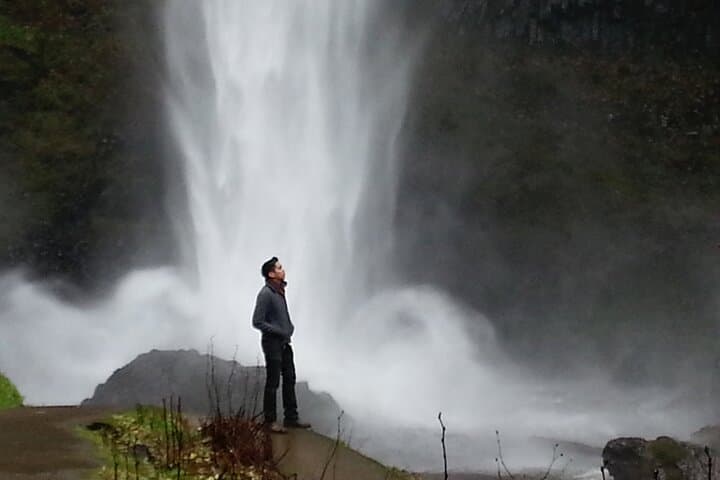


The van peels away from downtown Portland and the city grid loosens into a corridor of basalt cliffs and cedar-dark forests. Windows fog with river mist as the Columbia River Gorge widens, and the first roar—distant at first—alerts you that the day’s choreography is about water and rock. Your guide eases the Sprinter into a turnout; a short walk, a shutter click, and suddenly you’re at a ledge where Vista House keeps watch over a ribbon of river and layered cliffs.
The van peels away from downtown Portland and the city grid loosens into a corridor of basalt cliffs and cedar-dark forests. Windows fog with river mist as the Columbia River Gorge widens, and the first roar—distant at first—alerts you that the day’s choreography is about water and rock. Your guide eases the Sprinter into a turnout; a short walk, a shutter click, and suddenly you’re at a ledge where Vista House keeps watch over a ribbon of river and layered cliffs.
This afternoon tour strings together the Gorge’s most iconic moments: Vista House’s marble interior and sweep of the Columbia, Latourell Falls’ neon lichen and columnar basalt, and the thunder of Multnomah Falls cascading 620 feet in two dramatic tiers. Geology here reads like a long report: ancient flows of basalt from the Cascades built the layered shell, and 15,000 years ago the Lake Missoula Floods carved the gorge—stripping soil, exposing columnar joints, and leaving sheer amphitheaters that still funnel thunderous water into the Columbia.
Human history is braided through that geology. Indigenous peoples lived and traveled these routes for millennia; Lewis and Clark and later Oregon Trail travelers traced the corridor’s edge. Vista House itself, built 1916–1918, was intended as both memorial and rest stop for early motorists traveling the Historic Columbia River Highway.
The tour’s design is deliberately accessible: short stops and interpretive narration let you drink in the scale without committing to long hikes. Walks to viewpoints are mostly paved or well-graded; those seeking more exertion can extend to steeper trails—upper Multnomah viewpoints are a true workout, climbing several hundred feet if you choose to push higher.
Practicalities: the afternoon experience runs roughly 3–3.5 hours with hotel pickup in Portland (a 15-minute pickup window is provided). It’s a private tour in a Mercedes Sprinter van, with bottled water and an experienced local guide. Expect cool, often damp microclimates—layers and a rain shell matter more than fashion. Bring a camera with a wide lens, a light daypack, and sturdy shoes for wet rock and stairs.
For photographers, late afternoon light softens the cliffs and reduces crowds at some viewpoints; for hikers, plan extra time if you want to climb to upper Multnomah. The Gorge is popular—summer sees the highest numbers—so book ahead and leave no trace: stay on designated paths, pack out trash, and give salmon-bearing streams room during wet seasons. This is a bite-sized immersion into one of Oregon’s most elemental landscapes: basalt that will not be hurried, water that keeps shaping the canyon, and vistas that keep asking you to look again.