THE ADVENTURE COLLECTIVE® · Independent discovery and booking for outdoor travel

Settle into an afternoon departure from Kaanapali Beach for a two-hour whale watch that pairs live hydrophone listening with a Hawaiian-style dinner. Best from mid-December to mid-April, this tour blends natural history, comfortable amenities, and reliable humpback sightings.
Settle into an afternoon departure from Kaanapali Beach for a two-hour whale watch that pairs live hydrophone listening with a Hawaiian-style dinner. Best from mid-December to mid-April, this tour blends natural history, comfortable amenities, and reliable humpback sightings.
Late afternoon light slants across Kaanapali Beach as the crew loads a low-slung charter for a two-hour drift into whale country. The boat eases off sand in a small beach launch—a playful opening act—then the ocean lays itself out, breathing slow and deep. On good days the surface breaks in broad, slow arcs as humpback backs and tails punctuate the horizon; their songs leak through the hydrophone like distant conversations.
Verified experiences and guided adventures in the surrounding area.
Operated by Gemini Sailing Charters · Lahaina, Hawaii
Late afternoon light slants across Kaanapali Beach as the crew loads a low-slung charter for a two-hour drift into whale country. The boat eases off sand in a small beach launch—a playful opening act—then the ocean lays itself out, breathing slow and deep. On good days the surface breaks in broad, slow arcs as humpback backs and tails punctuate the horizon; their songs leak through the hydrophone like distant conversations.
This stretch of the North Pacific has drawn whales, sailors and islanders for centuries. Lahaina, once a 19th-century whaling port, now watches whales rather than hunts them; the island’s volcanic foundations—erupted and eroded basalt—shape the reefs and currents that funnel krill and anchor these giants each winter. Local crew and marine naturalists mix Hawaiian cultural notes with biology, explaining behaviors, breach mechanics and the seasonal migration from Alaskan feeding grounds to tropical breeding waters.
Practically: tours run from December 15–April 15, when sightings are most reliable. Dress in layers—late afternoons get breezy—and arrive early to use the parking validation at Whalers Village. Bring binoculars and a camera with a fast shutter if you hope to freeze a tail-lob or breach. The onboard buffet and complimentary bar mean you won’t leave hungry, but follow the crew’s guidance: keep distance, board and disembark carefully at the beach, and secure loose gear. Seas can roll; if you’re prone to motion sickness, take precautions before boarding.
The experience is equal parts theater and classroom—ocean currents that seem to nudge the hull, whales that punctuate the silence, and a crew whose knowledge turns sightings into stories. It’s an accessible close-up of Maui’s marine life with practical comforts for a late-day outing.
easy.
2 hours.
Minimal fitness required—participants should be able to step onto a beach-launched vessel and stand for short periods.
Sightings are most reliable between December 15 and April 15, the peak of Maui’s humpback season; afternoon departures are timed to catch active surface behavior.
Yes—this cruise includes a Hawaiian-style hot buffet, pupus and a complimentary bar with beer, wine and spirits as listed.
Yes—families are welcome; infants are counted per Coast Guard regulations and can sit next to an adult, and the trip is suitable for all ages.
The boat uses a supervised beach launch from Kaanapali; follow crew instructions for boarding and disembarking, and use handholds and non-slip footwear for safety.
Lahaina was a 19th-century whaling hub and regional capital that later shifted toward tourism; the migratory patterns of humpbacks have defined modern coastal stewardship here.
NOAA and local partners regulate approaches to whales—operators follow distance guidelines and report sightings to support research; avoid swimming near whales and never attempt to feed or touch marine life.
Gemini Sailing Charters operates guided outdoor trips and adventures with an emphasis on safety, stewardship, and memorable experiences.
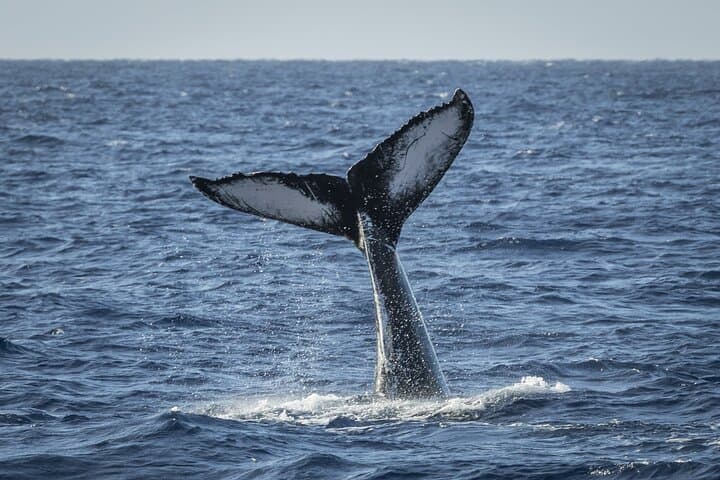
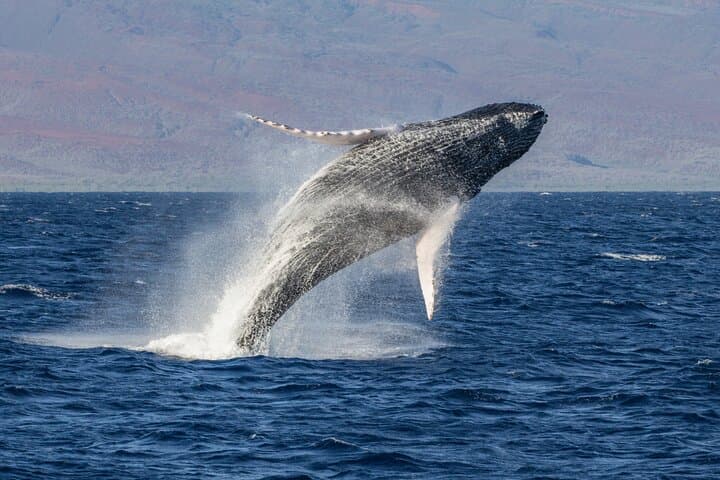
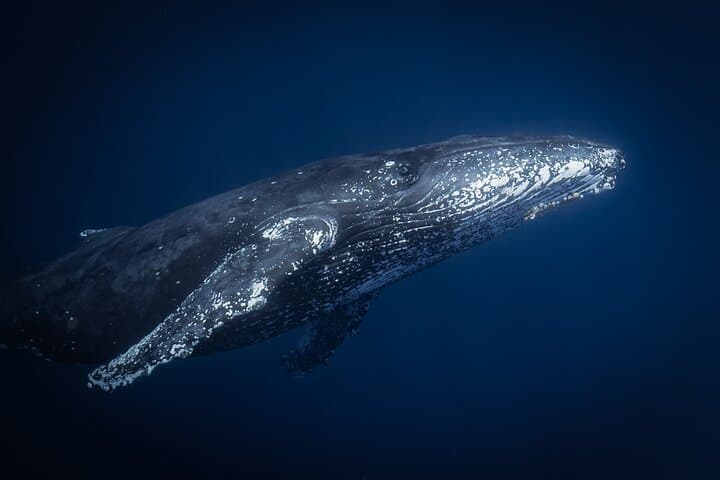
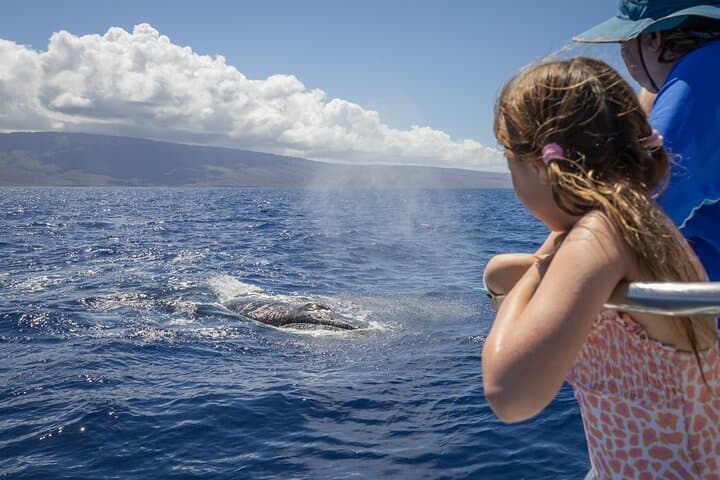
Late afternoon light slants across Kaanapali Beach as the crew loads a low-slung charter for a two-hour drift into whale country. The boat eases off sand in a small beach launch—a playful opening act—then the ocean lays itself out, breathing slow and deep. On good days the surface breaks in broad, slow arcs as humpback backs and tails punctuate the horizon; their songs leak through the hydrophone like distant conversations.
Late afternoon light slants across Kaanapali Beach as the crew loads a low-slung charter for a two-hour drift into whale country. The boat eases off sand in a small beach launch—a playful opening act—then the ocean lays itself out, breathing slow and deep. On good days the surface breaks in broad, slow arcs as humpback backs and tails punctuate the horizon; their songs leak through the hydrophone like distant conversations.
This stretch of the North Pacific has drawn whales, sailors and islanders for centuries. Lahaina, once a 19th-century whaling port, now watches whales rather than hunts them; the island’s volcanic foundations—erupted and eroded basalt—shape the reefs and currents that funnel krill and anchor these giants each winter. Local crew and marine naturalists mix Hawaiian cultural notes with biology, explaining behaviors, breach mechanics and the seasonal migration from Alaskan feeding grounds to tropical breeding waters.
Practically: tours run from December 15–April 15, when sightings are most reliable. Dress in layers—late afternoons get breezy—and arrive early to use the parking validation at Whalers Village. Bring binoculars and a camera with a fast shutter if you hope to freeze a tail-lob or breach. The onboard buffet and complimentary bar mean you won’t leave hungry, but follow the crew’s guidance: keep distance, board and disembark carefully at the beach, and secure loose gear. Seas can roll; if you’re prone to motion sickness, take precautions before boarding.
The experience is equal parts theater and classroom—ocean currents that seem to nudge the hull, whales that punctuate the silence, and a crew whose knowledge turns sightings into stories. It’s an accessible close-up of Maui’s marine life with practical comforts for a late-day outing.