THE ADVENTURE COLLECTIVE® · Independent discovery and booking for outdoor travel

Taste Quito’s coffee culture on a 4.5-hour walking tour through the Historic Center—brew coffee the local way, sample artisanal chocolate, and learn to make empanadas and humitas in hands-on cooking stations.
Taste Quito’s coffee culture on a 4.5-hour walking tour through the Historic Center—brew coffee the local way, sample artisanal chocolate, and learn to make empanadas and humitas in hands-on cooking stations.
Late-afternoon light slips between colonial facades as you step off a narrow Quito street, the smell of roasted beans rising from a tiny roaster that has been turning out coffee the same way for decades. Your guide threads through the Historic Center: cobbled alleys, a yesteryear cafeteria where locals linger over dulce de leche ice cream, and the warm steam of a market stall where empanadas puff on hot oil.
Verified experiences and guided adventures in the surrounding area.
Operated by Galapagos Connoisseur · Quito, Pichincha
Late-afternoon light slips between colonial facades as you step off a narrow Quito street, the smell of roasted beans rising from a tiny roaster that has been turning out coffee the same way for decades. Your guide threads through the Historic Center: cobbled alleys, a yesteryear cafeteria where locals linger over dulce de leche ice cream, and the warm steam of a market stall where empanadas puff on hot oil.
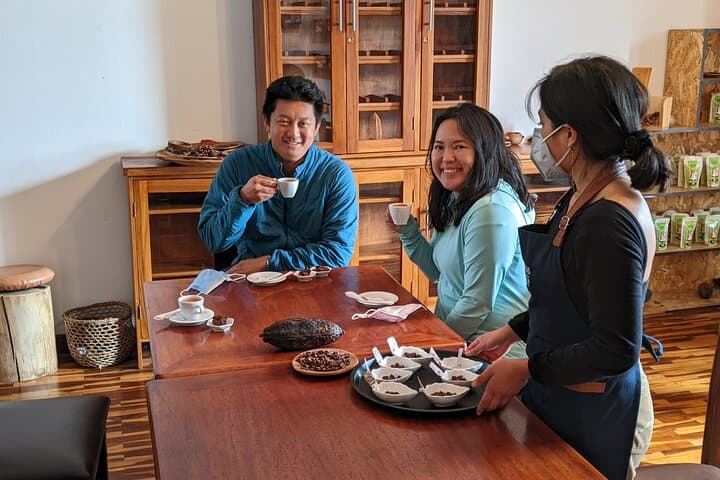
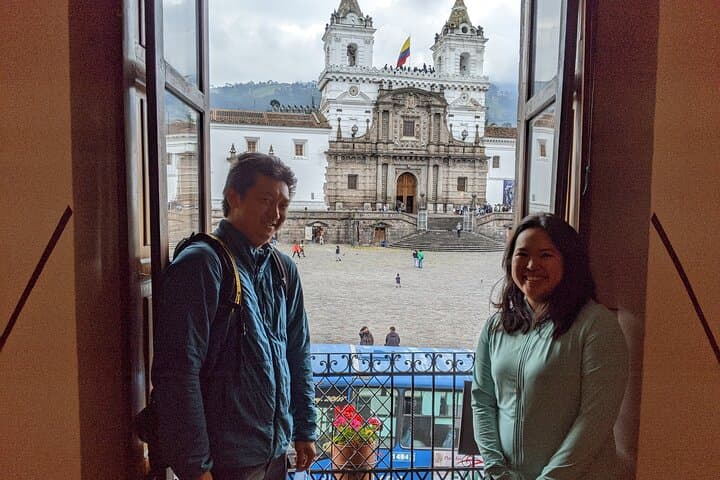
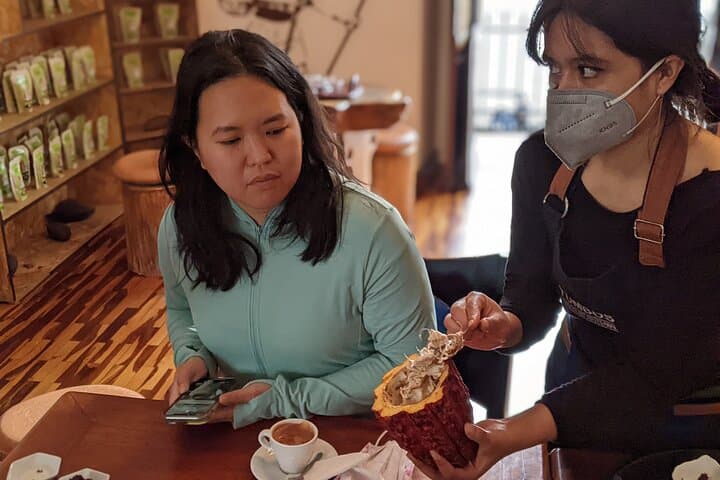
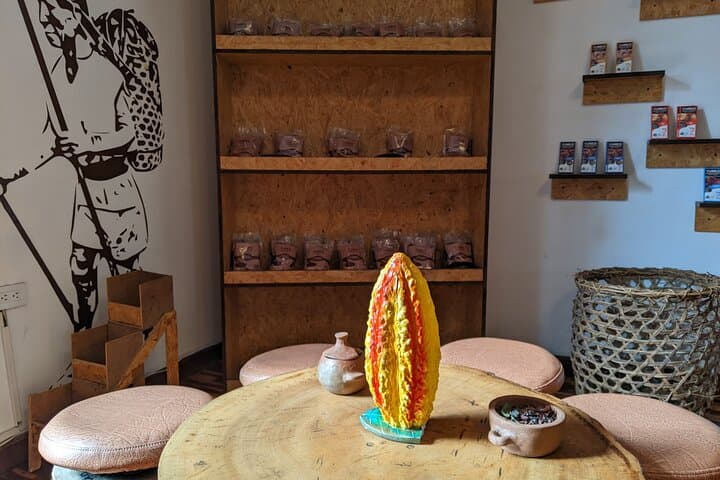
Quito’s historic core—one of the first UNESCO World Heritage sites—wears its Spanish colonial grid and baroque churches plainly. Beneath the stone, volcanic basalt and andesitic flows shaped the city’s terraces and plazas; the altitude here (about 2,850 m) gives coffee and chocolate sharper acidity and flavor. The tour pairs these geological and cultural backdrops with hands-on traditions: you’ll brew Ecuadorian chuspa coffee through a cheesecloth filter, sample artisanal chocolate and mistelas, and learn to fold empanadas, humitas and quimbolitos using old techniques.
Expect a sociable, sensory-paced afternoon—tasting, kneading corn dough, and a warm canelazo to finish. The walk itself is easy but involves uneven cobbles and short stair sections. Practical notes: bring water and a light rain layer, carry small bills for purchases, and allow time to acclimatize to the altitude before the tour. Ideal for curious eaters who want to move beyond restaurants and into the kitchens and shops that make Quiteño cuisine local and alive.
easy.
4–5 hours.
Light walking ability; comfortable standing for cooking demos and short stair sections. Suitable for most active adults.
The tour lasts about 4.5 hours and moves at an easy, social walking pace with multiple seated tastings and hands-on cooking segments.
The tour includes dairy, gluten and corn-based items—inform the operator about allergies or dietary needs at booking so they can accommodate when possible.
Expect intermittent walking on cobbles and short stair climbs; cooking classes require standing for brief periods.
Many stops are wheelchair accessible, but cobblestone streets and some narrow shops may be challenging—confirm specifics with the operator when booking.
Quito’s Historic Center dates to Spanish colonial settlement and was designated a UNESCO World Heritage site for its dense concentration of preserved churches and civic buildings.
Support small, local vendors and avoid single-use plastics; the Historic Center relies on responsible tourism to maintain heritage buildings and reduce waste.
Galapagos Connoisseur operates guided outdoor trips and adventures with an emphasis on safety, stewardship, and memorable experiences.
Late-afternoon light slips between colonial facades as you step off a narrow Quito street, the smell of roasted beans rising from a tiny roaster that has been turning out coffee the same way for decades. Your guide threads through the Historic Center: cobbled alleys, a yesteryear cafeteria where locals linger over dulce de leche ice cream, and the warm steam of a market stall where empanadas puff on hot oil.
Late-afternoon light slips between colonial facades as you step off a narrow Quito street, the smell of roasted beans rising from a tiny roaster that has been turning out coffee the same way for decades. Your guide threads through the Historic Center: cobbled alleys, a yesteryear cafeteria where locals linger over dulce de leche ice cream, and the warm steam of a market stall where empanadas puff on hot oil.
Quito’s historic core—one of the first UNESCO World Heritage sites—wears its Spanish colonial grid and baroque churches plainly. Beneath the stone, volcanic basalt and andesitic flows shaped the city’s terraces and plazas; the altitude here (about 2,850 m) gives coffee and chocolate sharper acidity and flavor. The tour pairs these geological and cultural backdrops with hands-on traditions: you’ll brew Ecuadorian chuspa coffee through a cheesecloth filter, sample artisanal chocolate and mistelas, and learn to fold empanadas, humitas and quimbolitos using old techniques.
Expect a sociable, sensory-paced afternoon—tasting, kneading corn dough, and a warm canelazo to finish. The walk itself is easy but involves uneven cobbles and short stair sections. Practical notes: bring water and a light rain layer, carry small bills for purchases, and allow time to acclimatize to the altitude before the tour. Ideal for curious eaters who want to move beyond restaurants and into the kitchens and shops that make Quiteño cuisine local and alive.