
Afternoon Chinatown Walking Tour in Glodok & Kota Tua, Jakarta
Explore Glodok’s lantern-lit lanes and Kota Tua’s colonial squares on a 4–6 hour guided afternoon tour that combines market browsing, temple visits, a floating fish-restaurant stop, and a Monas photo op. Perfect for travelers seeking cultural context and evening cityscapes.
An Adventure In Jakarta.
Explore Glodok’s lantern-lit lanes and Kota Tua’s colonial squares on a 4–6 hour guided afternoon tour that combines market browsing, temple visits, a floating fish-restaurant stop, and a Monas photo op. Perfect for travelers seeking cultural context and evening cityscapes.
Read the full experience
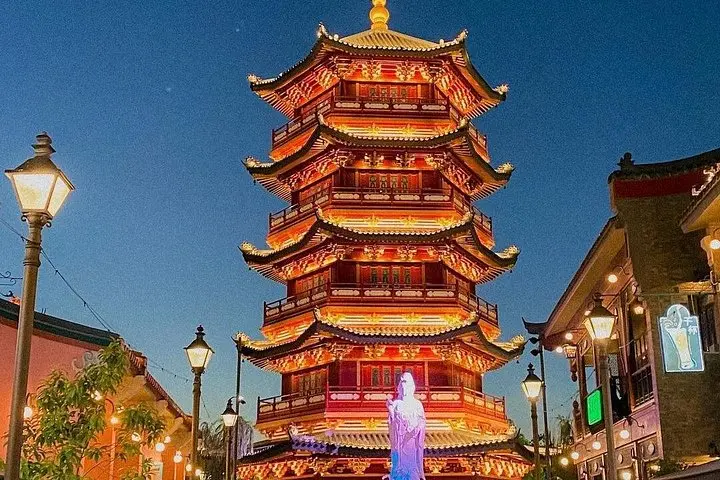
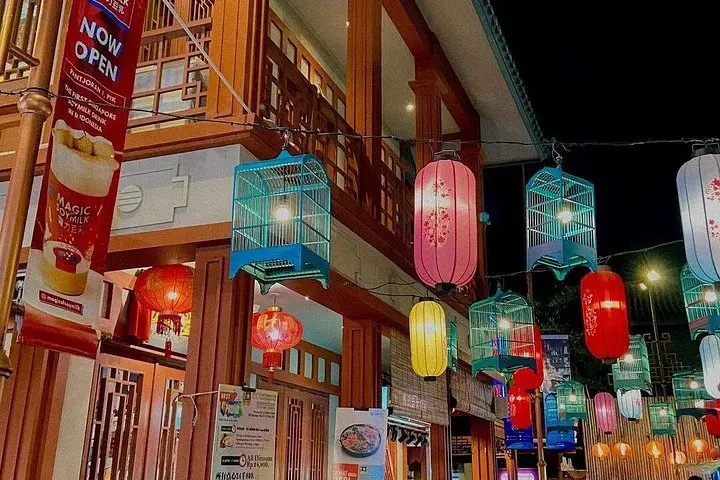
The sun is dipping behind low-rise colonial facades as you step from an air-conditioned vehicle into Glodok’s alleys, where lanterns begin to glow and the market exhales the day’s last spices. Stalls tighten rows of herbal remedies and tin boxes of crackers; a temple’s pagoda silhouette cuts the sky—time feels compressed between Dutch-era brickwork and neon signs.
The sun is dipping behind low-rise colonial facades as you step from an air-conditioned vehicle into Glodok’s alleys, where lanterns begin to glow and the market exhales the day’s last spices. Stalls tighten rows of herbal remedies and tin boxes of crackers; a temple’s pagoda silhouette cuts the sky—time feels compressed between Dutch-era brickwork and neon signs.
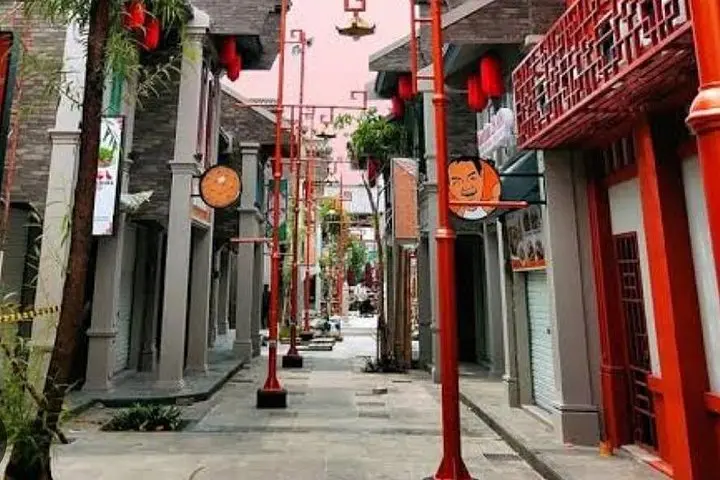
Glodok is Jakarta’s oldest Chinatown, formed during the VOC era when the colonial administration controlled settlement patterns. Walkable streets carry layers of history: Chinese trade networks, Dutch administrative orders, and modern Jakarta commerce. In nearby Kota Tua (Fatahillah Square) you’ll see Dutch baroque facades, museums, and the wide plaza where the colonial port once turned sails into goods.
This afternoon tour threads markets, a 17th-century yin-and-yang temple, Kota Tua’s museum-lined square, a Muara Angke-style floating fish market restaurant, and a final photo stop at Monas. Expect uneven sidewalks, narrow market lanes, and atmospheric night lighting in PIK’s modern Chinese precinct.
Practical edge: shoes that breathe and grip are useful, and carry small bills for market purchases and street food. Temperatures stay warm—bring a light rain layer during the November–March wet season. Guides handle transport and logistics; you should bring ID and a charged phone for photos. Plan five to six hours to move at a relaxed pace, sample local dishes, and linger at vantage points for night views of the city’s contrast between old masonry and modern high-rises.
Frequently asked questions
The tour lists wheelchair-accessible transportation and many flat areas in Kota Tua, but market alleys and some temple approaches may be uneven—check ahead for specific accessibility needs.
Bottled water is included; dinner or market meals are not included but the itinerary offers recommendations and stops where you can buy food.
The typical duration is 300–360 minutes (about 5–6 hours), with pick-up and drop-off included from central Jakarta hotels.
Yes—tour notes indicate suitability for all fitness levels; keep children close in crowded markets and busy streets.
About This Experience
TRIPEDIA operates guided outdoor trips and adventures with an emphasis on safety, stewardship, and memorable experiences.
Adventure tips
Recommended gear
- Comfortable walking shoes: Grippy, breathable shoes help on uneven sidewalks and wet market floors.
- Light rain jacket or poncho: Useful during Jakarta’s November–March rainy season for short, sudden downpours.
- Small cash wallet: Holds small bills and coins for market purchases and food stalls.
- Portable phone charger: Keeps your camera and maps powered during a long afternoon and evening out.
Photos of the experience
Related adventures & guides
Read the full experience
The sun is dipping behind low-rise colonial facades as you step from an air-conditioned vehicle into Glodok’s alleys, where lanterns begin to glow and the market exhales the day’s last spices. Stalls tighten rows of herbal remedies and tin boxes of crackers; a temple’s pagoda silhouette cuts the sky—time feels compressed between Dutch-era brickwork and neon signs.
The sun is dipping behind low-rise colonial facades as you step from an air-conditioned vehicle into Glodok’s alleys, where lanterns begin to glow and the market exhales the day’s last spices. Stalls tighten rows of herbal remedies and tin boxes of crackers; a temple’s pagoda silhouette cuts the sky—time feels compressed between Dutch-era brickwork and neon signs.
Glodok is Jakarta’s oldest Chinatown, formed during the VOC era when the colonial administration controlled settlement patterns. Walkable streets carry layers of history: Chinese trade networks, Dutch administrative orders, and modern Jakarta commerce. In nearby Kota Tua (Fatahillah Square) you’ll see Dutch baroque facades, museums, and the wide plaza where the colonial port once turned sails into goods.
This afternoon tour threads markets, a 17th-century yin-and-yang temple, Kota Tua’s museum-lined square, a Muara Angke-style floating fish market restaurant, and a final photo stop at Monas. Expect uneven sidewalks, narrow market lanes, and atmospheric night lighting in PIK’s modern Chinese precinct.
Practical edge: shoes that breathe and grip are useful, and carry small bills for market purchases and street food. Temperatures stay warm—bring a light rain layer during the November–March wet season. Guides handle transport and logistics; you should bring ID and a charged phone for photos. Plan five to six hours to move at a relaxed pace, sample local dishes, and linger at vantage points for night views of the city’s contrast between old masonry and modern high-rises.
Make a day of it nearby.
Verified experiences and guided adventures in the surrounding area.