THE ADVENTURE COLLECTIVE® · Independent discovery and booking for outdoor travel

Spend a focused afternoon in Bundala’s coastal lagoons where flocks of greater flamingo gather and wetlands concentrate birdlife. This half-day jeep safari from Tissamaharama offers concentrated birding, occasional mammal sightings and expert local guides.
Spend a focused afternoon in Bundala’s coastal lagoons where flocks of greater flamingo gather and wetlands concentrate birdlife. This half-day jeep safari from Tissamaharama offers concentrated birding, occasional mammal sightings and expert local guides.
You fold into the open-sided jeep as the sun leans toward the mangroves, and the shallow lagoons of Bundala begin to stitch the horizon with pale pink and silver. Salt flats flash; a flock of greater flamingos picks at the mud, their long necks carving slow arcs. The drive moves with patient purpose—waterbirds concentrate in the shallows, while scrub and coastal thorny forest hold deer, monkeys, and the occasional elephant.
Verified experiences and guided adventures in the surrounding area.
Operated by The Mice Team · Tissamaharama, Southern Province
You fold into the open-sided jeep as the sun leans toward the mangroves, and the shallow lagoons of Bundala begin to stitch the horizon with pale pink and silver. Salt flats flash; a flock of greater flamingos picks at the mud, their long necks carving slow arcs. The drive moves with patient purpose—waterbirds concentrate in the shallows, while scrub and coastal thorny forest hold deer, monkeys, and the occasional elephant.
Bundala is a coastal wetland system in Sri Lanka’s Hambantota District and was designated a Ramsar site for its international importance to migratory waterbirds. Geologically the area is a mosaic of tidal lagoons, sand spits and inland marshes shaped by seasonal monsoons and coastal sedimentation. Local communities have long fished and harvested salt here, and visits often intersect with the rhythms of coastal life.
On an afternoon game drive (about three hours) expect focused birding and short wildlife sightings rather than long trekking: greater flamingos, waders, terns and kingfishers dominate the list, while terrestrial mammals—spotted deer, sambar and the occasional elephant or jackal—show themselves near scrub edges. Guides know the water levels, the best viewing hides and when flocks move.
Practical guidance: pickups typically leave from Tissamaharama or Yala mid-afternoon and return at dusk; bring binoculars, insect repellent, a sun hat and a lightweight layer for cooling evening breezes. Roads inside the park are bumpy—secure cameras and keep limbs inside the vehicle. Respect the habitat: stay quiet, avoid flash photography of nesting areas, and follow your guide’s instructions to minimize disturbance.
easy.
3–4 hours.
Suitable for most fitness levels; primarily sitting with short on-foot viewing stops
The scheduled drive is about three hours (pickup to drop-off totals roughly four hours including transfers).
Bundala is best known for waterbirds—greater flamingo, various waders and terns—plus occasional elephants, spotted deer, langurs, jackal and marsh crocodiles.
The activity is low intensity but may not be recommended for pregnant travelers or those with serious spinal or cardiovascular conditions due to bumpy roads; check provider restrictions before booking.
No special skills or permits are required—the park entrance fee and guide-led jeep are included with the tour.
Bundala was designated Sri Lanka’s first Ramsar wetland for its importance to migratory waterbirds and has long supported coastal fishing and salt-harvesting communities.
As a Ramsar site, Bundala relies on responsible visitation—avoid disturbing flocks, stay on tracks and follow guide instructions to protect breeding and feeding habitats.
The Mice Team operates guided outdoor trips and adventures with an emphasis on safety, stewardship, and memorable experiences.


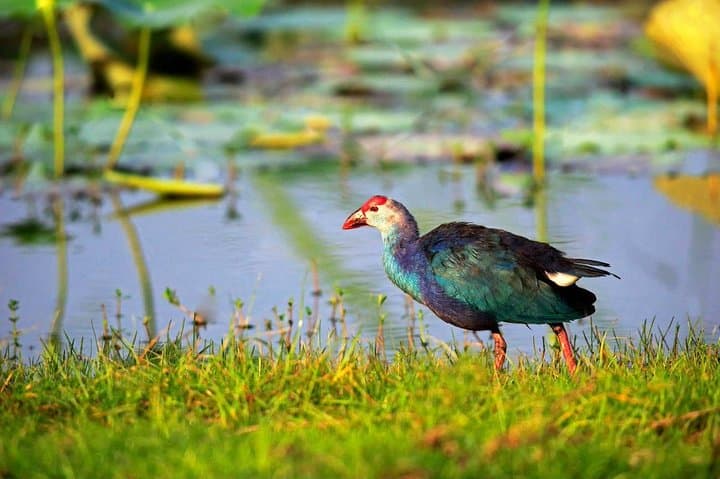

You fold into the open-sided jeep as the sun leans toward the mangroves, and the shallow lagoons of Bundala begin to stitch the horizon with pale pink and silver. Salt flats flash; a flock of greater flamingos picks at the mud, their long necks carving slow arcs. The drive moves with patient purpose—waterbirds concentrate in the shallows, while scrub and coastal thorny forest hold deer, monkeys, and the occasional elephant.
You fold into the open-sided jeep as the sun leans toward the mangroves, and the shallow lagoons of Bundala begin to stitch the horizon with pale pink and silver. Salt flats flash; a flock of greater flamingos picks at the mud, their long necks carving slow arcs. The drive moves with patient purpose—waterbirds concentrate in the shallows, while scrub and coastal thorny forest hold deer, monkeys, and the occasional elephant.
Bundala is a coastal wetland system in Sri Lanka’s Hambantota District and was designated a Ramsar site for its international importance to migratory waterbirds. Geologically the area is a mosaic of tidal lagoons, sand spits and inland marshes shaped by seasonal monsoons and coastal sedimentation. Local communities have long fished and harvested salt here, and visits often intersect with the rhythms of coastal life.
On an afternoon game drive (about three hours) expect focused birding and short wildlife sightings rather than long trekking: greater flamingos, waders, terns and kingfishers dominate the list, while terrestrial mammals—spotted deer, sambar and the occasional elephant or jackal—show themselves near scrub edges. Guides know the water levels, the best viewing hides and when flocks move.
Practical guidance: pickups typically leave from Tissamaharama or Yala mid-afternoon and return at dusk; bring binoculars, insect repellent, a sun hat and a lightweight layer for cooling evening breezes. Roads inside the park are bumpy—secure cameras and keep limbs inside the vehicle. Respect the habitat: stay quiet, avoid flash photography of nesting areas, and follow your guide’s instructions to minimize disturbance.