THE ADVENTURE COLLECTIVE® · Independent discovery and booking for outdoor travel

Choose the afternoon slot to climb the Acropolis with fewer crowds and softer light, then continue to the Acropolis Museum to compare ruins with their original masterpieces. This four-hour guided tour balances archaeology, sweeping views, and practical comfort.
Choose the afternoon slot to climb the Acropolis with fewer crowds and softer light, then continue to the Acropolis Museum to compare ruins with their original masterpieces. This four-hour guided tour balances archaeology, sweeping views, and practical comfort.
Late afternoon light softens the marble; a warm Aegean breeze nudges the stone steps and the city below exhales. On this four-hour guided loop you climb the Acropolis hill when crowds thin and shadows lengthen, moving from the Propylaea up to the Parthenon while the sun slides toward the Saronic Gulf. The route reads like a compact history: classical Doric columns, the delicate Caryatids, and the uneven footprint of a city that has been lived in for millennia.
Verified experiences and guided adventures in the surrounding area.
Operated by Athenian Tours · Athens, Attica
Late afternoon light softens the marble; a warm Aegean breeze nudges the stone steps and the city below exhales. On this four-hour guided loop you climb the Acropolis hill when crowds thin and shadows lengthen, moving from the Propylaea up to the Parthenon while the sun slides toward the Saronic Gulf. The route reads like a compact history: classical Doric columns, the delicate Caryatids, and the uneven footprint of a city that has been lived in for millennia.
Geology and history are plain underfoot — the Acropolis stands on a limestone outcrop that survived earthquakes and quarrying, elevated above the ancient agora that once pulsed with markets and debate. Nearby, the Acropolis Museum arranges fragments of that life under broad skylights; glass floors let you peer at excavations and domestic remains, linking museum display to the living ground of Athens.
Culturally, the site is still civic theater: ceremonies, restoration teams, and a steady flow of pilgrims for art and myth. Preservation is active here — scaffolding and conservators are common sights.
Practical side: arrive punctually (entry times are strict), wear grippy shoes for uneven, sometimes slippery rock, and carry water and sun protection — shade is limited. The museum provides a cooler, sheltered contrast after the climb, with seating and exhibits that expand on what you saw on the rock. For an afternoon slot, expect milder temperatures and strong late light for photos. Guides typically hand out paper tickets and may change the order of visits to avoid crowds; plan for a steady but accessible walk with pauses for interpretation and views.
easy.
3–4 hours.
Basic fitness for uphill walking and standing; most able-bodied travelers can complete the tour but expect steep sections.
Yes — the tour includes entrance tickets to both the Acropolis and the Acropolis Museum, handed out by the guide at the meeting point.
Not recommended for children under 6 or for travelers with significant mobility impairments; the route involves stairs and uneven surfaces and elevators are unavailable for group tours.
Punctuality is crucial due to timed entry; latecomers cannot be accommodated and no refund is provided.
Strollers are not allowed on the Acropolis and large bags may be restricted; travel light and secure valuables before the climb.
The Acropolis was the religious and ceremonial heart of ancient Athens; the Parthenon dates to the 5th century BCE, built during the Periclean building program.
Ongoing conservation projects are visible across the site; stick to paths, avoid touching marble, and follow guide instructions to reduce wear and protect fragile archaeology.
Athenian Tours operates guided outdoor trips and adventures with an emphasis on safety, stewardship, and memorable experiences.
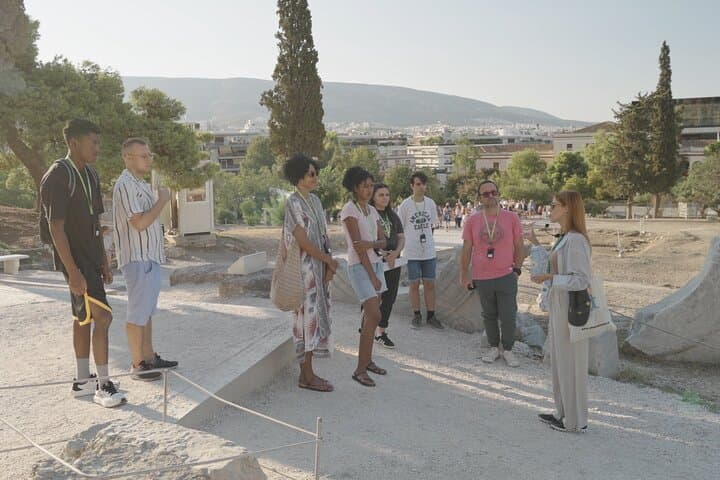
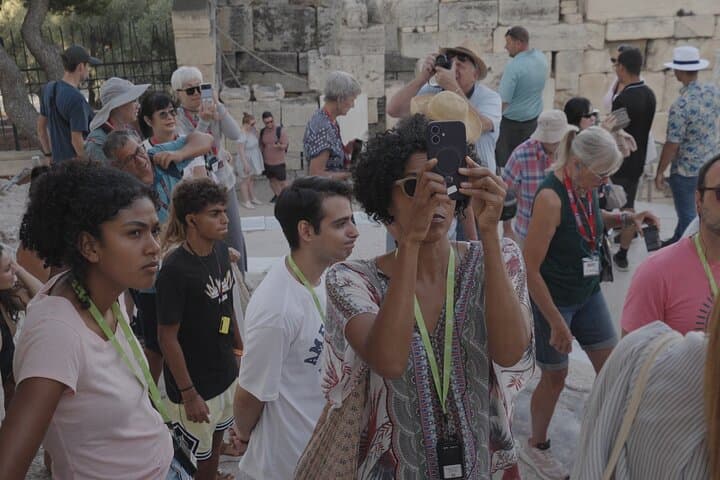
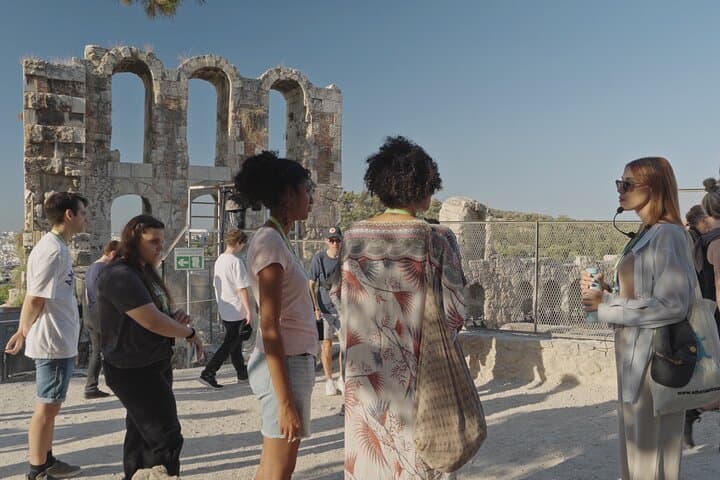
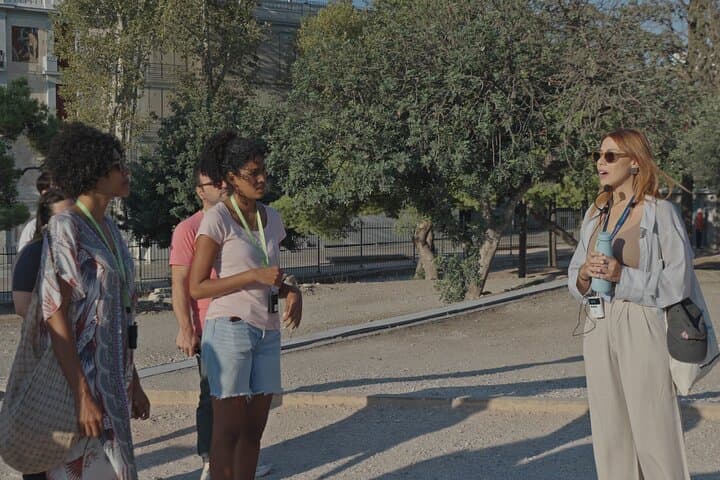
Late afternoon light softens the marble; a warm Aegean breeze nudges the stone steps and the city below exhales. On this four-hour guided loop you climb the Acropolis hill when crowds thin and shadows lengthen, moving from the Propylaea up to the Parthenon while the sun slides toward the Saronic Gulf. The route reads like a compact history: classical Doric columns, the delicate Caryatids, and the uneven footprint of a city that has been lived in for millennia.
Late afternoon light softens the marble; a warm Aegean breeze nudges the stone steps and the city below exhales. On this four-hour guided loop you climb the Acropolis hill when crowds thin and shadows lengthen, moving from the Propylaea up to the Parthenon while the sun slides toward the Saronic Gulf. The route reads like a compact history: classical Doric columns, the delicate Caryatids, and the uneven footprint of a city that has been lived in for millennia.
Geology and history are plain underfoot — the Acropolis stands on a limestone outcrop that survived earthquakes and quarrying, elevated above the ancient agora that once pulsed with markets and debate. Nearby, the Acropolis Museum arranges fragments of that life under broad skylights; glass floors let you peer at excavations and domestic remains, linking museum display to the living ground of Athens.
Culturally, the site is still civic theater: ceremonies, restoration teams, and a steady flow of pilgrims for art and myth. Preservation is active here — scaffolding and conservators are common sights.
Practical side: arrive punctually (entry times are strict), wear grippy shoes for uneven, sometimes slippery rock, and carry water and sun protection — shade is limited. The museum provides a cooler, sheltered contrast after the climb, with seating and exhibits that expand on what you saw on the rock. For an afternoon slot, expect milder temperatures and strong late light for photos. Guides typically hand out paper tickets and may change the order of visits to avoid crowds; plan for a steady but accessible walk with pauses for interpretation and views.