THE ADVENTURE COLLECTIVE® · Independent discovery and booking for outdoor travel

Board a 42' yacht at Landungsbrücken for a two-hour after-work sail through Hamburg’s working harbor. Pass the Elbphilharmonie, massive container ships, and historic waterfront while a local skipper explains the port’s maritime story.
Board a 42' yacht at Landungsbrücken for a two-hour after-work sail through Hamburg’s working harbor. Pass the Elbphilharmonie, massive container ships, and historic waterfront while a local skipper explains the port’s maritime story.
The yacht eases away from the Landungsbrücken as the Elbe pulls at the hull, the city skyline receding into a corridor of cranes, chimneys and the curved glass of the Elbphilharmonie. Wind fills the 42-foot rig and the harbor feels alive—tugs nudging container giants, ferries cutting wakes, and the current daring you to keep pace.
Verified experiences and guided adventures in the surrounding area.
Operated by Elbsegelei · Hamburg, Hamburg
The yacht eases away from the Landungsbrücken as the Elbe pulls at the hull, the city skyline receding into a corridor of cranes, chimneys and the curved glass of the Elbphilharmonie. Wind fills the 42-foot rig and the harbor feels alive—tugs nudging container giants, ferries cutting wakes, and the current daring you to keep pace.
Hamburg’s port grew from medieval trade to one of Europe’s largest harbors, carved by the Elbe and shaped by tidal flows that still define traffic and access. Geology here is riverine and reclaimed marsh; the river’s sediment and human engineering have produced broad quays and deep channels able to host immense ships. Culturally, the port is both working waterfront and public stage—shipyards, fish markets, and modern concert halls sit side by side.
Onboard, expect a local skipper narrating port history, pointing out container terminals, historic Speicherstadt warehouses, and the beachy stretches at Övelgönne. The experience compresses industrial scale and close-up seafaring: you’ll practice basic maneuvers, feel sail trim, and pass remarkable vessels at close quarters.
Practicalities: the tour is about 120 minutes, small-group (up to 12), with lifejackets provided. Dress for wind and spray—layers, non-slip shoes, and a windproof shell are essential. Evening light is best for photos; public transit to Landungsbrücken is convenient. Be mindful of shipping lanes and follow crew instructions during close passes. If seasickness is a concern, take preventative measures before boarding. This tour blends hands-on sailing with a front-row view of one of Europe’s busiest maritime engines—fast-paced, informative, and unequivocally Hamburg.
easy.
2 hours.
Suitable for most fitness levels; ability to step aboard a yacht and stand for portions of the tour is required.
The sailing tour runs approximately 120 minutes.
Yes, lifejackets (Rettungswesten) are provided for all passengers.
Most tours board at Landungsbrücken, accessible by S-Bahn, U-Bahn and ferry.
Yes—strollers are allowed and the tour is advertised as suitable for all fitness levels; supervise children on deck.
Hamburg’s port expanded from the medieval Speicherstadt warehouses to a global container hub; the Elbe’s tides and 19th–20th century engineering shaped modern docks and quays.
Harbor operations are managed for navigation and safety, while local initiatives monitor water quality and sensitive shoreline habitats—minimize waste and avoid disturbing birds.
Elbsegelei operates guided outdoor trips and adventures with an emphasis on safety, stewardship, and memorable experiences.
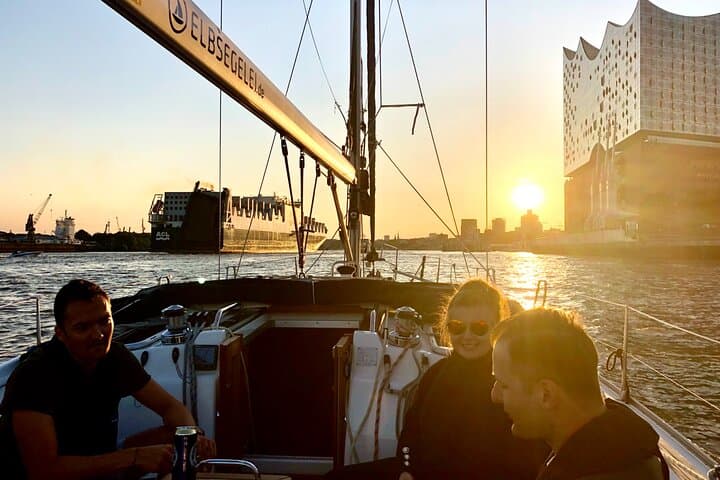
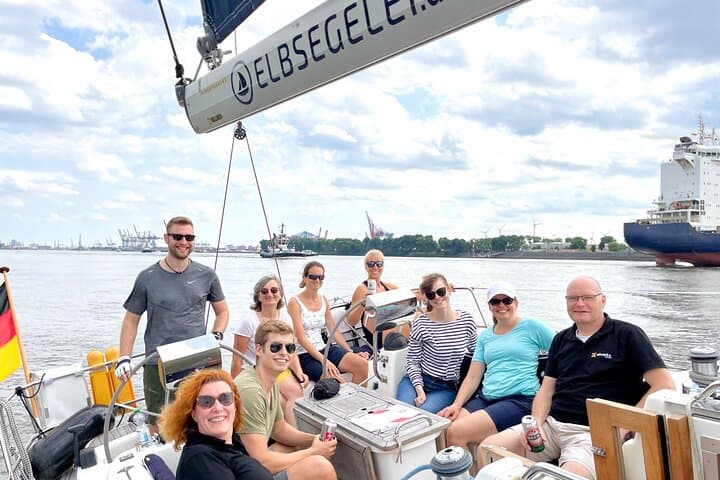
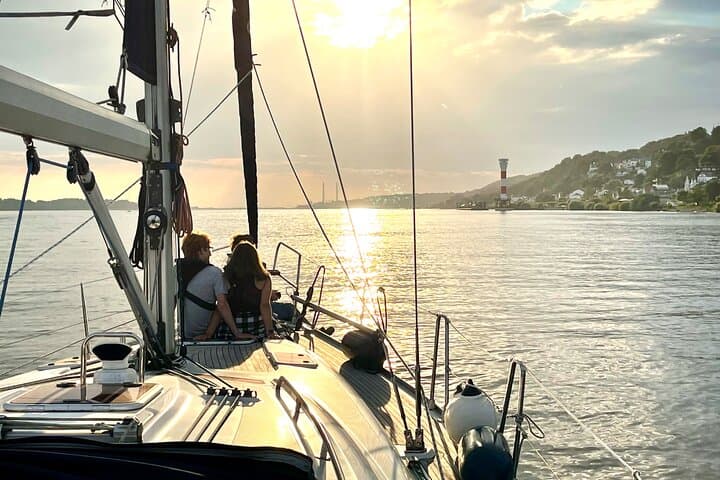
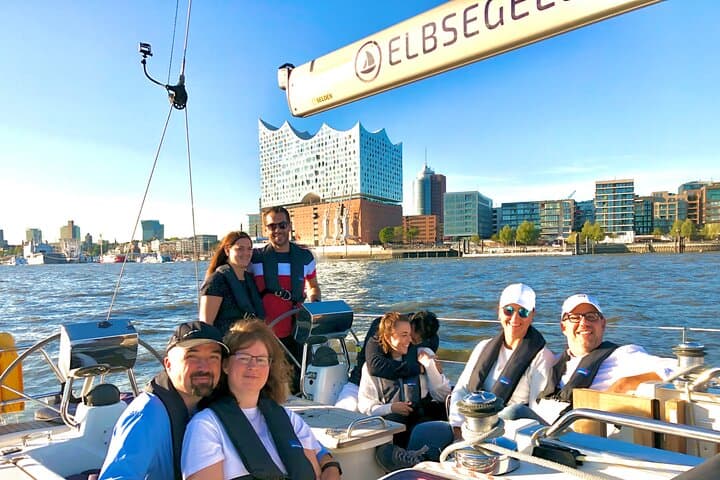
The yacht eases away from the Landungsbrücken as the Elbe pulls at the hull, the city skyline receding into a corridor of cranes, chimneys and the curved glass of the Elbphilharmonie. Wind fills the 42-foot rig and the harbor feels alive—tugs nudging container giants, ferries cutting wakes, and the current daring you to keep pace.
The yacht eases away from the Landungsbrücken as the Elbe pulls at the hull, the city skyline receding into a corridor of cranes, chimneys and the curved glass of the Elbphilharmonie. Wind fills the 42-foot rig and the harbor feels alive—tugs nudging container giants, ferries cutting wakes, and the current daring you to keep pace.
Hamburg’s port grew from medieval trade to one of Europe’s largest harbors, carved by the Elbe and shaped by tidal flows that still define traffic and access. Geology here is riverine and reclaimed marsh; the river’s sediment and human engineering have produced broad quays and deep channels able to host immense ships. Culturally, the port is both working waterfront and public stage—shipyards, fish markets, and modern concert halls sit side by side.
Onboard, expect a local skipper narrating port history, pointing out container terminals, historic Speicherstadt warehouses, and the beachy stretches at Övelgönne. The experience compresses industrial scale and close-up seafaring: you’ll practice basic maneuvers, feel sail trim, and pass remarkable vessels at close quarters.
Practicalities: the tour is about 120 minutes, small-group (up to 12), with lifejackets provided. Dress for wind and spray—layers, non-slip shoes, and a windproof shell are essential. Evening light is best for photos; public transit to Landungsbrücken is convenient. Be mindful of shipping lanes and follow crew instructions during close passes. If seasickness is a concern, take preventative measures before boarding. This tour blends hands-on sailing with a front-row view of one of Europe’s busiest maritime engines—fast-paced, informative, and unequivocally Hamburg.