THE ADVENTURE COLLECTIVE® · Independent discovery and booking for outdoor travel

Walk downtown Austin after dark with local storytellers who blend history, folklore, and a few spooky tools. This 90-minute Original Austin Ghost Tour visits historic sites like the Driskill and the city’s first fire station with accessible, locally rooted narration.
Walk downtown Austin after dark with local storytellers who blend history, folklore, and a few spooky tools. This 90-minute Original Austin Ghost Tour visits historic sites like the Driskill and the city’s first fire station with accessible, locally rooted narration.
The lamps of Congress Avenue throw long, amber shapes across the pavement as a small group gathers beneath the courthouse clock. The air carries the ordinary smells of downtown — coffee, car exhaust — but the guide’s voice tilts the night: an account of a firehouse that still remembers its alarms, a hotel corridor that holds whispered complaints from a century ago.
Verified experiences and guided adventures in the surrounding area.
Operated by The Original Austin Ghost Tours · Austin, Texas
The lamps of Congress Avenue throw long, amber shapes across the pavement as a small group gathers beneath the courthouse clock. The air carries the ordinary smells of downtown — coffee, car exhaust — but the guide’s voice tilts the night: an account of a firehouse that still remembers its alarms, a hotel corridor that holds whispered complaints from a century ago.
Austin’s downtown is younger than many eastern cities but rich in layered stories: Republic-era streets, Victorian hotels like the Driskill (built 1886), and civic buildings that tracked the city’s boom after the railroad. Geology here is subtle — compact limestone underfoot, the Colorado River’s influence to the south — while culture is loud: live music, state politics and a tradition of local storytelling that keeps the past present.
Original Austin Ghost Tours frames those facts into on-foot storytelling. Guides, some born and raised in Texas, pair local research with props — EMF detectors, tarot cards, dowsing rods — and adapt routes to weather and crowd size. Stops include historic municipal sites and locally owned venues; accessibility is prioritized and tours are suitable for most fitness levels.
Practical guidance: arrive 10–15 minutes early, dress for walking on paved streets, and carry a light layer for cool nights. Public transit and nearby parking make downtown easy to reach; if you’re photographing interiors, ask permission. The tone is respectful — these stories connect to real people and buildings — and the tour’s compact 90 minutes makes it an efficient evening outing that mixes history, chill moments, and the odd shiver.
easy.
1.5 hours.
Suitable for most fitness levels; requires standing and walking on flat, paved city streets for up to 90 minutes.
The tour runs approximately 90 minutes and follows a walking route through downtown Austin with multiple brief stops.
Yes; the tour notes wheelchair and stroller accessibility and operates on paved, flat surfaces when possible.
Yes; infants and small children can attend, though content may include mature historical topics—use discretion.
Routes may be adjusted for weather; the tour is customizable according to conditions and the guide will communicate changes.
Austin’s downtown grew rapidly after the 1871 railroad connection; landmark sites like the Driskill Hotel (1886) anchor many local ghost narratives.
Use public transit or walk to reduce traffic and noise impact; respect historic structures and private property while on the route.
The Original Austin Ghost Tours operates guided outdoor trips and adventures with an emphasis on safety, stewardship, and memorable experiences.

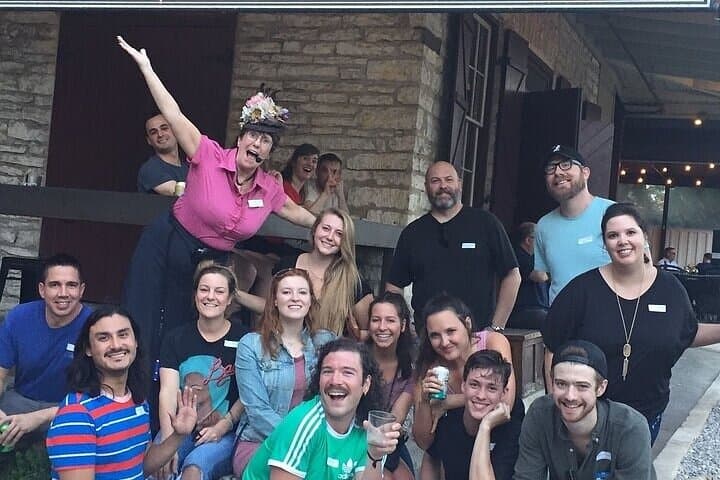
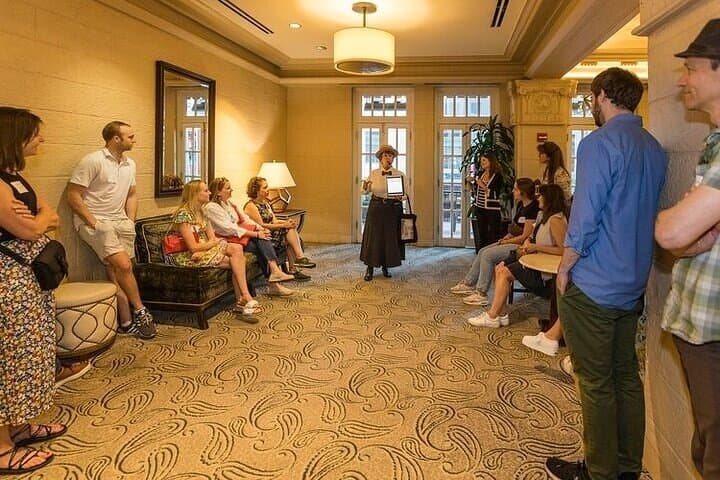
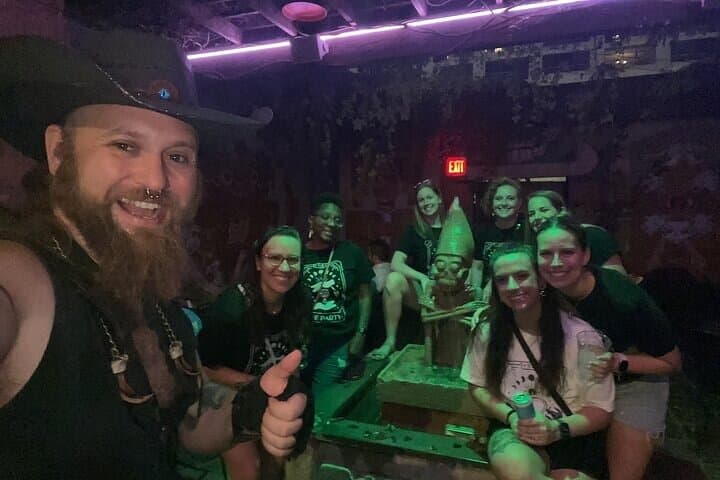
The lamps of Congress Avenue throw long, amber shapes across the pavement as a small group gathers beneath the courthouse clock. The air carries the ordinary smells of downtown — coffee, car exhaust — but the guide’s voice tilts the night: an account of a firehouse that still remembers its alarms, a hotel corridor that holds whispered complaints from a century ago.
The lamps of Congress Avenue throw long, amber shapes across the pavement as a small group gathers beneath the courthouse clock. The air carries the ordinary smells of downtown — coffee, car exhaust — but the guide’s voice tilts the night: an account of a firehouse that still remembers its alarms, a hotel corridor that holds whispered complaints from a century ago.
Austin’s downtown is younger than many eastern cities but rich in layered stories: Republic-era streets, Victorian hotels like the Driskill (built 1886), and civic buildings that tracked the city’s boom after the railroad. Geology here is subtle — compact limestone underfoot, the Colorado River’s influence to the south — while culture is loud: live music, state politics and a tradition of local storytelling that keeps the past present.
Original Austin Ghost Tours frames those facts into on-foot storytelling. Guides, some born and raised in Texas, pair local research with props — EMF detectors, tarot cards, dowsing rods — and adapt routes to weather and crowd size. Stops include historic municipal sites and locally owned venues; accessibility is prioritized and tours are suitable for most fitness levels.
Practical guidance: arrive 10–15 minutes early, dress for walking on paved streets, and carry a light layer for cool nights. Public transit and nearby parking make downtown easy to reach; if you’re photographing interiors, ask permission. The tone is respectful — these stories connect to real people and buildings — and the tour’s compact 90 minutes makes it an efficient evening outing that mixes history, chill moments, and the odd shiver.