THE ADVENTURE COLLECTIVE® · Independent discovery and booking for outdoor travel

Walk Asakusa after dark with a private guide who blends Edo-era history and modern folklore. This four-hour evening tour pairs lantern-lit alleys and temple rites with practical advice for an atmospheric, respectful exploration.
Walk Asakusa after dark with a private guide who blends Edo-era history and modern folklore. This four-hour evening tour pairs lantern-lit alleys and temple rites with practical advice for an atmospheric, respectful exploration.
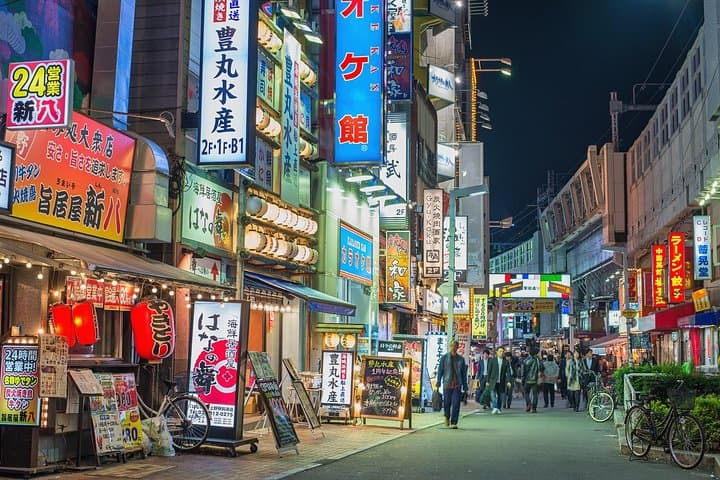
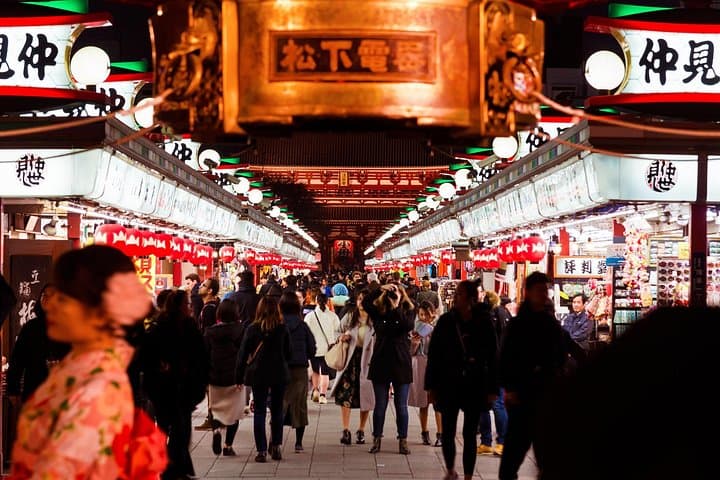
The city exhales differently after dusk in Shitamachi — paper lanterns throw warm discs of light across narrow streets, the Sumida River slides dark and patient at the edge of sight, and the chime of a distant train punctures the quiet.
Verified experiences and guided adventures in the surrounding area.
Operated by taxiGo Limo Airport Service · Tokyo, Tokyo
The city exhales differently after dusk in Shitamachi — paper lanterns throw warm discs of light across narrow streets, the Sumida River slides dark and patient at the edge of sight, and the chime of a distant train punctures the quiet.
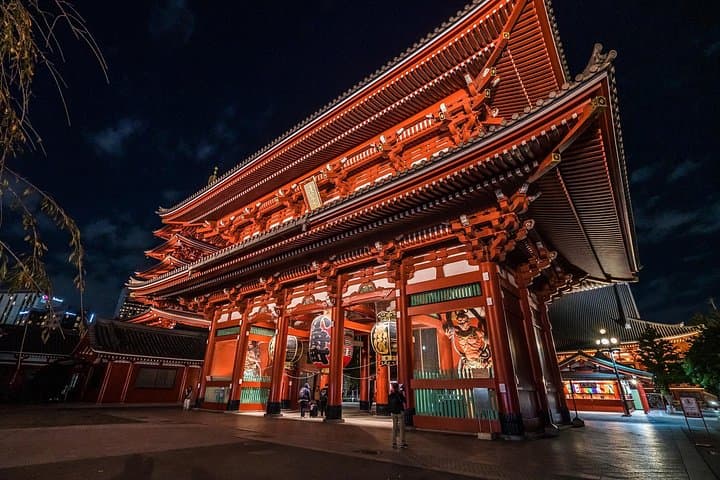
This private evening ghost tour guides you through Asakusa’s older quarters, weaving past Senso-ji’s temple gates, Kappabashi’s cooking-ware storefronts, and a shrine locals still treat with wary deference because of long-told hauntings. The neighborhood’s history dates to Edo-period merchants and waterfront workers; buildings are layered with Meiji- and Taisho-era additions, and the urban geology is flat, paved and compact — expect even sidewalks and a few temple steps rather than steep climbs.
Along the way a guide blends folklore with documented incidents: shrine taboos, postwar anecdotes, and the cultural practice of honoring restless spirits. You’ll notice the city’s resilience — lanterns swinging like small moons, izakaya smoke curling into alleys, and the pragmatic ritual of offerings at miniature shrines.
Practicalities: the tour runs about four hours, mostly on foot with short vehicle transfers, covering roughly 3–4 miles of paved roads and temple grounds with minimal elevation. Evening timing enhances atmosphere but brings cooler air and denser crowds near festival sites. Wear sturdy walking shoes, layer for changing temperatures, and bring a small light and portable charger for low-light photography. Be respectful at religious sites — remove hats, keep voices low, and follow your guide when doors or rituals are involved. The private format is suitable for first-time visitors and Tokyo residents who want an informed, atmospheric look at Shitamachi’s supernatural and social past.
easy.
4 hours.
Suitable for most fitness levels; be prepared to walk 3–4 miles on flat, paved streets and climb a few temple steps.
Yes — this is a private tour; guides tailor routes and storytelling to your interests while maintaining core historical and sacred-site visits.
Generally yes — the route is low-impact, but you should note a four-hour duration with walking; inform the operator of mobility needs when booking.
Tours are offered in English by local guides; check booking details or request other languages in advance if available.
All sales are final per the operator’s policy — confirm plans carefully before booking as refunds are not provided.
Shitamachi ("low city") developed as Edo’s working-class quarter — merchants, craftsmen, and river workers shaped its rituals and ghost stories, many tied to temples like Senso-ji that date back to the 7th century.
Respect for temples and local businesses is crucial; avoid littering, stay on sidewalks and designated paths, and support small izakaya and shops to help preserve the neighborhood’s living culture.
taxiGo Limo Airport Service operates guided outdoor trips and adventures with an emphasis on safety, stewardship, and memorable experiences.

The city exhales differently after dusk in Shitamachi — paper lanterns throw warm discs of light across narrow streets, the Sumida River slides dark and patient at the edge of sight, and the chime of a distant train punctures the quiet.
The city exhales differently after dusk in Shitamachi — paper lanterns throw warm discs of light across narrow streets, the Sumida River slides dark and patient at the edge of sight, and the chime of a distant train punctures the quiet.
This private evening ghost tour guides you through Asakusa’s older quarters, weaving past Senso-ji’s temple gates, Kappabashi’s cooking-ware storefronts, and a shrine locals still treat with wary deference because of long-told hauntings. The neighborhood’s history dates to Edo-period merchants and waterfront workers; buildings are layered with Meiji- and Taisho-era additions, and the urban geology is flat, paved and compact — expect even sidewalks and a few temple steps rather than steep climbs.
Along the way a guide blends folklore with documented incidents: shrine taboos, postwar anecdotes, and the cultural practice of honoring restless spirits. You’ll notice the city’s resilience — lanterns swinging like small moons, izakaya smoke curling into alleys, and the pragmatic ritual of offerings at miniature shrines.
Practicalities: the tour runs about four hours, mostly on foot with short vehicle transfers, covering roughly 3–4 miles of paved roads and temple grounds with minimal elevation. Evening timing enhances atmosphere but brings cooler air and denser crowds near festival sites. Wear sturdy walking shoes, layer for changing temperatures, and bring a small light and portable charger for low-light photography. Be respectful at religious sites — remove hats, keep voices low, and follow your guide when doors or rituals are involved. The private format is suitable for first-time visitors and Tokyo residents who want an informed, atmospheric look at Shitamachi’s supernatural and social past.