THE ADVENTURE COLLECTIVE® · Independent discovery and booking for outdoor travel

Walk Rome’s backstreets after dark and hear the city’s grim and gripping stories—from a fortress turned prison to a piazza that witnessed executions. This two-hour tour blends history, legend, and atmospheric night walking.
Walk Rome’s backstreets after dark and hear the city’s grim and gripping stories—from a fortress turned prison to a piazza that witnessed executions. This two-hour tour blends history, legend, and atmospheric night walking.
The lamps along the Tiber cast long, wavering shadows as the group gathers at the foot of the bridge by Castel Sant'Angelo. A guide lifts a company flag and the city, stripped of daytime bustle, tightens into focus: stone alleys, closed shutters, and the faint clatter from a distant piazza. The tour moves like a slow tide, following stories that stick to the walls.
Verified experiences and guided adventures in the surrounding area.
Operated by Journey Tours · Rome, Lazio
The lamps along the Tiber cast long, wavering shadows as the group gathers at the foot of the bridge by Castel Sant'Angelo. A guide lifts a company flag and the city, stripped of daytime bustle, tightens into focus: stone alleys, closed shutters, and the faint clatter from a distant piazza. The tour moves like a slow tide, following stories that stick to the walls.
This walking route threads key sites of Rome’s darker past—Castel Sant'Angelo (built as Hadrian’s mausoleum and later a fortress and prison), the steps where public executions once took place, and piazzas that still carry the names of violence and intrigue. The geology of the setting is obvious in the tufa and travertine facades, layered over centuries of urban rebuilding; the Tiber’s changing course and periodic floods shaped where Romans buried, punished, and memorialized.
Culturally, the tour ties folklore to recorded events: the tales of Mastro Titta the executioner and Giulia Tofana’s poison are narrated alongside broader social history—where law, superstition, and power intersected. Expect atmospheric storytelling more than hard evidence; many stops are viewed externally because interiors may be closed.
Practically: the route is roughly 1.5–2 km over two hours on cobblestones and uneven sidewalks—bring sturdy shoes and a light jacket for river breezes. The walking pace is moderate with short pauses; photography after dark can be moody but uneven lighting is common. Public transit access is excellent and the tour ends at Campo de’ Fiori, convenient for late-night dining. Stay alert to traffic at crossings, keep valuables secure in dim streets, and ask the guide for local restaurant or bar recommendations to extend the evening.
moderate.
2 hours.
Moderate level of fitness for standing and walking on uneven ground for up to two hours
Families are allowed but content can be intense; infants and small children are welcome in strollers but parents should judge suitability for older kids.
Many streets are cobbled and include steps; accessibility is limited—check with the operator for specific route accommodations.
Most stops are viewed from outside because sites may be closed at night; the guide provides context and stories at each location.
This listing specifies an English-speaking guide; verify at booking if multilingual options are needed.
The route connects sites tied to executions, poisonings, and prisons from the Renaissance and earlier, illustrating how public justice and private vengeance shaped neighborhoods.
Tours operate on existing sidewalks and plazas; visitors should stick to paths, avoid climbing monuments, and minimize noise to respect residents and historic fabric.
Journey Tours operates guided outdoor trips and adventures with an emphasis on safety, stewardship, and memorable experiences.
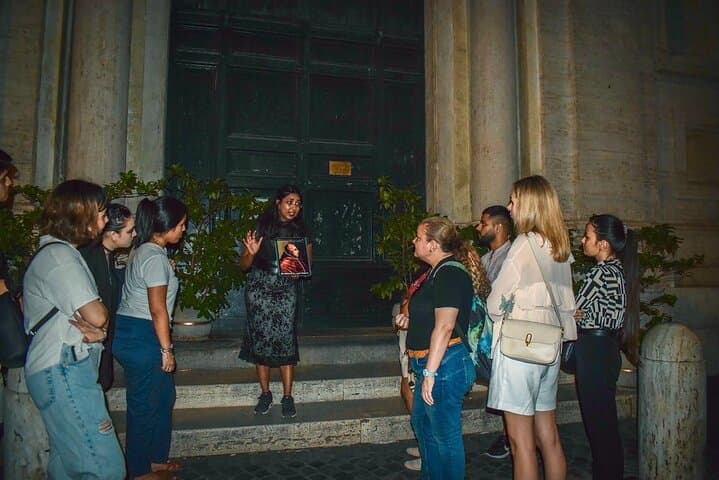
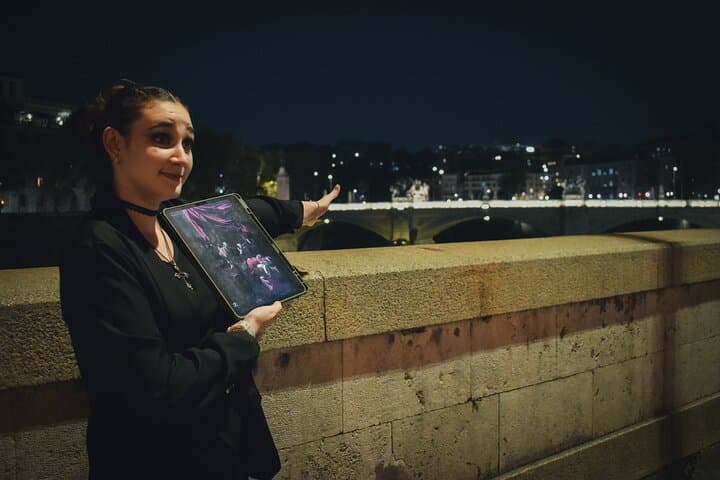
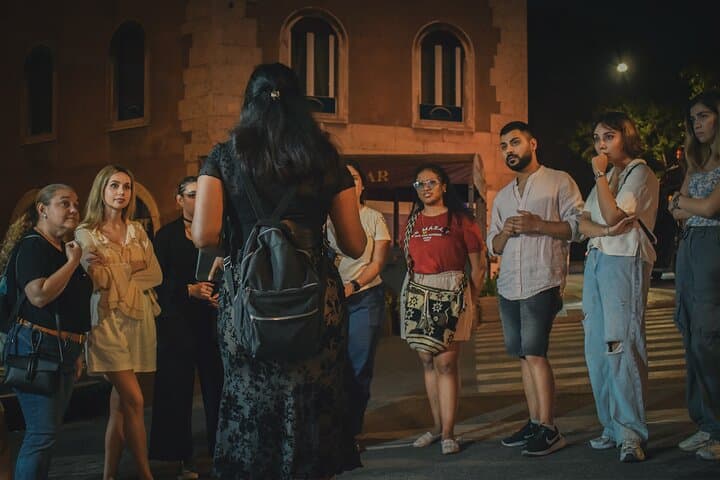
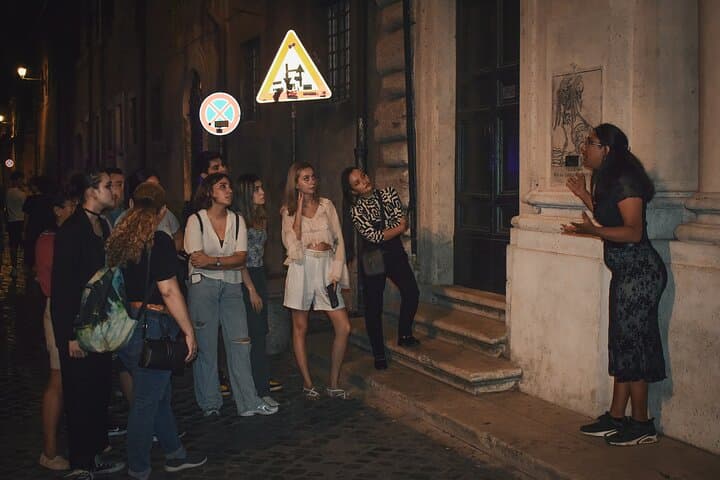
The lamps along the Tiber cast long, wavering shadows as the group gathers at the foot of the bridge by Castel Sant'Angelo. A guide lifts a company flag and the city, stripped of daytime bustle, tightens into focus: stone alleys, closed shutters, and the faint clatter from a distant piazza. The tour moves like a slow tide, following stories that stick to the walls.
The lamps along the Tiber cast long, wavering shadows as the group gathers at the foot of the bridge by Castel Sant'Angelo. A guide lifts a company flag and the city, stripped of daytime bustle, tightens into focus: stone alleys, closed shutters, and the faint clatter from a distant piazza. The tour moves like a slow tide, following stories that stick to the walls.
This walking route threads key sites of Rome’s darker past—Castel Sant'Angelo (built as Hadrian’s mausoleum and later a fortress and prison), the steps where public executions once took place, and piazzas that still carry the names of violence and intrigue. The geology of the setting is obvious in the tufa and travertine facades, layered over centuries of urban rebuilding; the Tiber’s changing course and periodic floods shaped where Romans buried, punished, and memorialized.
Culturally, the tour ties folklore to recorded events: the tales of Mastro Titta the executioner and Giulia Tofana’s poison are narrated alongside broader social history—where law, superstition, and power intersected. Expect atmospheric storytelling more than hard evidence; many stops are viewed externally because interiors may be closed.
Practically: the route is roughly 1.5–2 km over two hours on cobblestones and uneven sidewalks—bring sturdy shoes and a light jacket for river breezes. The walking pace is moderate with short pauses; photography after dark can be moody but uneven lighting is common. Public transit access is excellent and the tour ends at Campo de’ Fiori, convenient for late-night dining. Stay alert to traffic at crossings, keep valuables secure in dim streets, and ask the guide for local restaurant or bar recommendations to extend the evening.