THE ADVENTURE COLLECTIVE® · Independent discovery and booking for outdoor travel

Explore St. Augustine’s darker chapters on a two‑hour guided paranormal investigation that mixes archival history with hands‑on ghost‑hunting gear. Walk through colonial lanes, listen for EVP responses, and end at a bar reputed to hold lingering memories of past lives.
Explore St. Augustine’s darker chapters on a two‑hour guided paranormal investigation that mixes archival history with hands‑on ghost‑hunting gear. Walk through colonial lanes, listen for EVP responses, and end at a bar reputed to hold lingering memories of past lives.
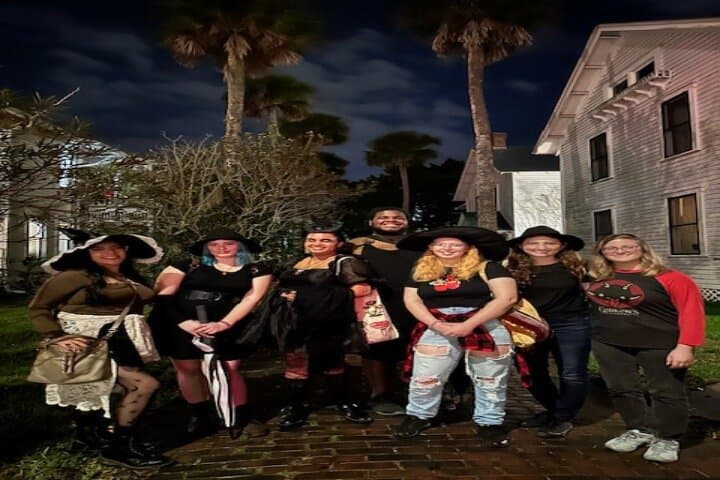
The streetlamps along St. George Street thin into pools of amber as the group gathers on the visitor center steps, breath visible on cool air and historic bricks damp with ocean mist.
Verified experiences and guided adventures in the surrounding area.
Operated by Historic Haunted Tours · St. Augustine, Florida
The streetlamps along St. George Street thin into pools of amber as the group gathers on the visitor center steps, breath visible on cool air and historic bricks damp with ocean mist.
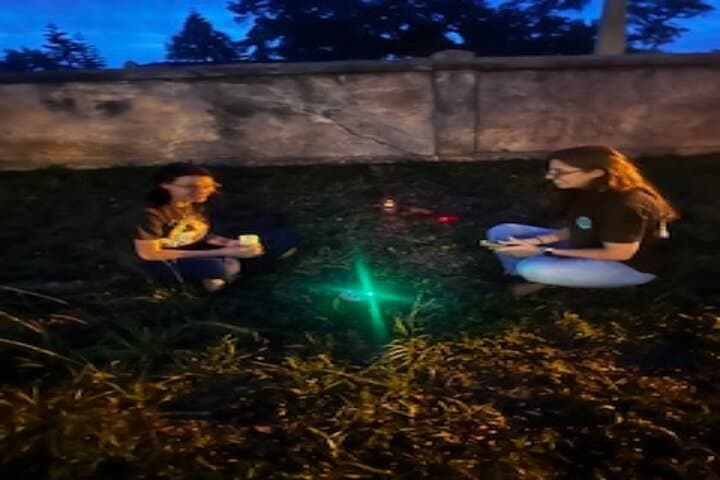
Participants move through narrow lanes where Spanish colonial buildings press close, led by an investigator who explains how love and violence left marks on these stones. The guide pauses at a shuttered courtyard, recounting an unsolved 19th‑century murder that still shapes local ghost stories, then slips into methodical procedure: EMF sweeps, audio recorders, and respectful attempts at contact inside one of the city’s oldest taverns.
St. Augustine is the nation’s oldest continuously occupied European settlement—a patchwork of coquina fortresses, narrow alleys, and layered colonial regimes. The city’s geology of shelly coquina and sandy ground has preserved buildings in a distinct way that gives interiors a cool, echoing quality that can amplify sounds and play on perception during investigations.
Culturally, the tour sits at the intersection of historic interpretation and pop‑culture curiosity: guides blend archival facts with controlled investigative techniques to explore claims without sensationalizing them.
Practical guidance: expect two hours of mostly flat walking on cobblestones and wooden floors; bring a charged phone but rely on the provided equipment for EVPs and EMF readings. Wear sturdy shoes, a light jacket for coastal breeze, and be prepared for low light. Respect private property and quiet hours, and follow the guide’s safety brief before any hands‑on investigation.
The experience is part history lesson, part science experiment, and part urban ghost hunt—structured for people curious about true crime, folklore, and methodical paranormal inquiry.
easy.
2 hours.
Suitable for most fitness levels; involves walking on uneven surfaces and standing during investigations
Most tours allow older children but content deals with true crime and death; check age policies and consider if the material is appropriate.
No—guides provide and demonstrate all gear; participants can observe or assist under supervision.
Tours may be canceled for safety in heavy rain or severe conditions; the operator typically offers a full refund if canceled at least 24 hours prior.
Some investigations occur in historic bars or buildings open to the public by arrangement; guides respect private areas and obtain permissions where required.
Founded in 1565, St. Augustine’s Spanish colonial legacy and layered 18th–19th century urban growth leave a dense archive of events that feeds local ghost lore.
Tour operators work within historic‑district rules—avoid touching artifacts or walls, stay on designated paths, and respect private properties to reduce wear on fragile sites.
Historic Haunted Tours operates guided outdoor trips and adventures with an emphasis on safety, stewardship, and memorable experiences.
The streetlamps along St. George Street thin into pools of amber as the group gathers on the visitor center steps, breath visible on cool air and historic bricks damp with ocean mist.
The streetlamps along St. George Street thin into pools of amber as the group gathers on the visitor center steps, breath visible on cool air and historic bricks damp with ocean mist.
Participants move through narrow lanes where Spanish colonial buildings press close, led by an investigator who explains how love and violence left marks on these stones. The guide pauses at a shuttered courtyard, recounting an unsolved 19th‑century murder that still shapes local ghost stories, then slips into methodical procedure: EMF sweeps, audio recorders, and respectful attempts at contact inside one of the city’s oldest taverns.
St. Augustine is the nation’s oldest continuously occupied European settlement—a patchwork of coquina fortresses, narrow alleys, and layered colonial regimes. The city’s geology of shelly coquina and sandy ground has preserved buildings in a distinct way that gives interiors a cool, echoing quality that can amplify sounds and play on perception during investigations.
Culturally, the tour sits at the intersection of historic interpretation and pop‑culture curiosity: guides blend archival facts with controlled investigative techniques to explore claims without sensationalizing them.
Practical guidance: expect two hours of mostly flat walking on cobblestones and wooden floors; bring a charged phone but rely on the provided equipment for EVPs and EMF readings. Wear sturdy shoes, a light jacket for coastal breeze, and be prepared for low light. Respect private property and quiet hours, and follow the guide’s safety brief before any hands‑on investigation.
The experience is part history lesson, part science experiment, and part urban ghost hunt—structured for people curious about true crime, folklore, and methodical paranormal inquiry.