THE ADVENTURE COLLECTIVE® · Independent discovery and booking for outdoor travel

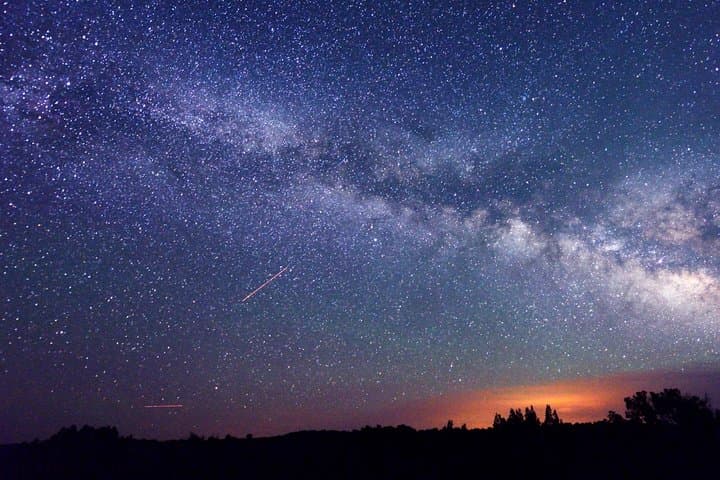
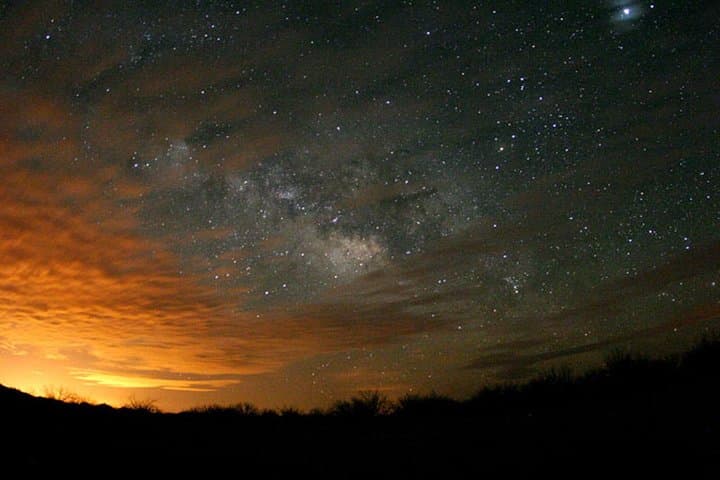
Experience a family-friendly desert night tour that combines basic astronomy, Indigenous navigation traditions and a short nocturnal walk to find desert creatures. Learn constellations through telescopes, hear cultural stories, and explore easy trails under the Sonoran sky.
Experience a family-friendly desert night tour that combines basic astronomy, Indigenous navigation traditions and a short nocturnal walk to find desert creatures. Learn constellations through telescopes, hear cultural stories, and explore easy trails under the Sonoran sky.
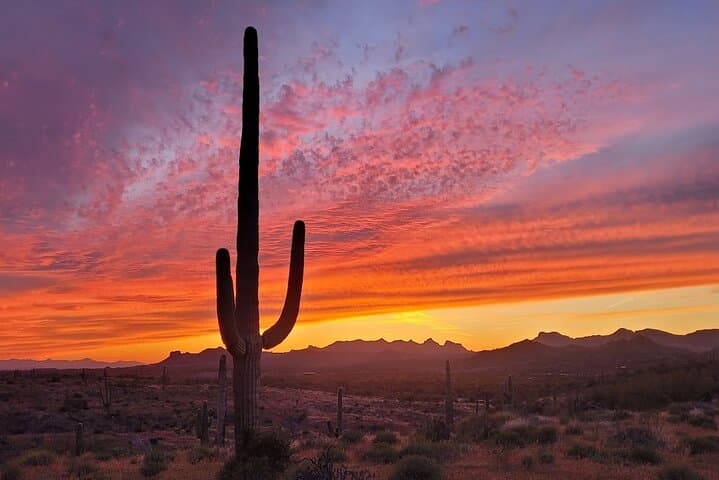
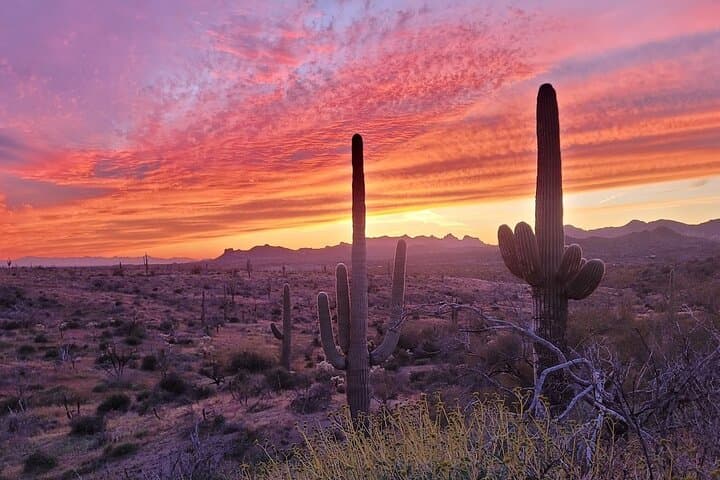
The sun slides behind spines of saguaro and the desert exhales; low-angle light turns creosote bushes into black silhouettes and a cool wind begins its patient work. On this three-hour, family-friendly evening, guides lead small groups from a sunset viewpoint into a prepared stargazing site where telescopes and binoculars bring the moon, star clusters and distant planets into sharp relief.
Verified experiences and guided adventures in the surrounding area.
Operated by My Arizona Guide · Scottsdale, Arizona
The sun slides behind spines of saguaro and the desert exhales; low-angle light turns creosote bushes into black silhouettes and a cool wind begins its patient work. On this three-hour, family-friendly evening, guides lead small groups from a sunset viewpoint into a prepared stargazing site where telescopes and binoculars bring the moon, star clusters and distant planets into sharp relief.
Geology here reads as long chapters: basalt flows, alluvial fans and granite outcrops shaped by intermittent floods and slow uplift. Cultural threads run equally deep — Hohokam and later Indigenous groups used the sky as calendar and compass, and many constellation stories in the Southwest remain living knowledge among Hopi, Pima and Apache communities. Guides weave those navigation traditions into the program, pairing practical astronomy with tales of human travel across these landscapes.
The itinerary balances lecture and hands-on exploration: constellation identification, viewing through telescopes, and a short, easy night walk using black lights to reveal insects, scorpions and the faint shimmer of nocturnal life. Expect flat, sandy trails with occasional rocky sections; the pace is slow and interpretive.
Practicalities matter: bring water, a warm layer (the desert cools quickly), closed-toe shoes and a red-light headlamp or flashlight. Darkness preserves the show — avoid flash photography and keep voices low to notice animal movement. Tours provide snacks and nonalcoholic drinks; service animals are allowed. This is an accessible way to experience Sonoran night-sky astronomy while learning the human stories that tie people to these stars.
easy.
3 hours.
Suitable for most ages and fitness levels; requires short, slow-paced walking on uneven ground
Yes — the tour is family-friendly and the pace is gentle; infants are stroller-accessible and infant seats are available.
Yes — guides provide telescopes and binoculars for group use to view the moon, star clusters and planets.
Tours may be canceled for poor visibility or bad weather; check confirmation details and the operator’s cancellation policy before booking.
Service animals are permitted; pets should not be brought since they can disturb wildlife and other guests.
This region preserves archaeological connections to Hohokam and other Indigenous groups who used celestial patterns for planting, hunting and navigation.
Tours emphasize dark-sky etiquette; minimizing artificial light, staying on trails and packing out waste helps protect nocturnal species and night-sky visibility.
My Arizona Guide operates guided outdoor trips and adventures with an emphasis on safety, stewardship, and memorable experiences.
The sun slides behind spines of saguaro and the desert exhales; low-angle light turns creosote bushes into black silhouettes and a cool wind begins its patient work. On this three-hour, family-friendly evening, guides lead small groups from a sunset viewpoint into a prepared stargazing site where telescopes and binoculars bring the moon, star clusters and distant planets into sharp relief.
The sun slides behind spines of saguaro and the desert exhales; low-angle light turns creosote bushes into black silhouettes and a cool wind begins its patient work. On this three-hour, family-friendly evening, guides lead small groups from a sunset viewpoint into a prepared stargazing site where telescopes and binoculars bring the moon, star clusters and distant planets into sharp relief.
Geology here reads as long chapters: basalt flows, alluvial fans and granite outcrops shaped by intermittent floods and slow uplift. Cultural threads run equally deep — Hohokam and later Indigenous groups used the sky as calendar and compass, and many constellation stories in the Southwest remain living knowledge among Hopi, Pima and Apache communities. Guides weave those navigation traditions into the program, pairing practical astronomy with tales of human travel across these landscapes.
The itinerary balances lecture and hands-on exploration: constellation identification, viewing through telescopes, and a short, easy night walk using black lights to reveal insects, scorpions and the faint shimmer of nocturnal life. Expect flat, sandy trails with occasional rocky sections; the pace is slow and interpretive.
Practicalities matter: bring water, a warm layer (the desert cools quickly), closed-toe shoes and a red-light headlamp or flashlight. Darkness preserves the show — avoid flash photography and keep voices low to notice animal movement. Tours provide snacks and nonalcoholic drinks; service animals are allowed. This is an accessible way to experience Sonoran night-sky astronomy while learning the human stories that tie people to these stars.