THE ADVENTURE COLLECTIVE® · Independent discovery and booking for outdoor travel

Walk the streets where samba and resistance intersect: a four-hour cultural tour from the port’s UNESCO docks to the live rodas at Pedra do Sal. Learn abolition-era history, taste Afro-Brazilian flavors, and end where the city still keeps the beat.
Walk the streets where samba and resistance intersect: a four-hour cultural tour from the port’s UNESCO docks to the live rodas at Pedra do Sal. Learn abolition-era history, taste Afro-Brazilian flavors, and end where the city still keeps the beat.
You step off Avenida Rio Branco and the city’s rhythm shifts: salt and diesel mix with percussion echoing from a narrow street where elders nod and drums tap an old tempo. The guide leads a compact group past modern museums and into the blocks that hold stories of forced migration, endurance and music — the walk funnels down toward Pedra do Sal, the outcrop where samba found a voice.
Verified experiences and guided adventures in the surrounding area.
Operated by Rio by Foot - Tours · Rio de Janeiro, Rio de Janeiro
You step off Avenida Rio Branco and the city’s rhythm shifts: salt and diesel mix with percussion echoing from a narrow street where elders nod and drums tap an old tempo. The guide leads a compact group past modern museums and into the blocks that hold stories of forced migration, endurance and music — the walk funnels down toward Pedra do Sal, the outcrop where samba found a voice.
This four-hour walk threads history and place. Along the port you pass the World Heritage docks of Cais do Valongo, a 19th-century landing point for enslaved Africans. The geology changes too: coastal silt gives way to the exposed granite of the Pedra, a small rock that became a gathering point. Culture here is visceral — food stalls steaming feijoada, roda de samba breaking into call-and-response, and a surviving network of 'Little Africa' streets where neighborhoods kept language, prayer and rhythm alive.
Expect a mix of paved boulevards and tight, uneven lanes; there’s an included visit to a samba school with admission, and plenty of stops for story and song. Practicalities matter: wear sturdy walking shoes for cobbles, bring sun protection and water, and carry ID — a valid passport is required for booking. The tour is wheelchair accessible in parts, but ask about specific transfer routes ahead of time. Time your visit for a Monday or Friday night if you want to experience the live street parties; otherwise mid-morning tours give clearer historical context and cooler temperatures.
moderate.
4 hours.
Participants should be comfortable walking several kilometers over uneven pavement and brief stair sections; moderate fitness recommended.
The tour lasts about four hours and moves from the port and Olympic Boulevard through ‘Little Africa’ to Pedra do Sal, including a stop at a samba school with admission.
The tour notes wheelchair accessibility for parts of the route, but some narrow lanes and cobbles may require alternate paths — contact the operator before booking to discuss needs.
Tours often finish near Pedra do Sal where live rodas happen on Mondays and Fridays; other days may include a scheduled visit to a samba school with a performance.
Guides are typically local and will focus on Afro-Brazilian history and culture; language options depend on the operator — check booking details for availability.
Pedra do Sal and nearby Cais do Valongo were central nodes for African-born communities in 19th-century Rio; the area fostered cultural practices that evolved into samba and other Afro-Brazilian traditions.
The port and heritage sites face development pressure; visitors are encouraged to support local businesses, follow marked paths, and avoid disturbing archaeological areas.
Rio by Foot - Tours operates guided outdoor trips and adventures with an emphasis on safety, stewardship, and memorable experiences.
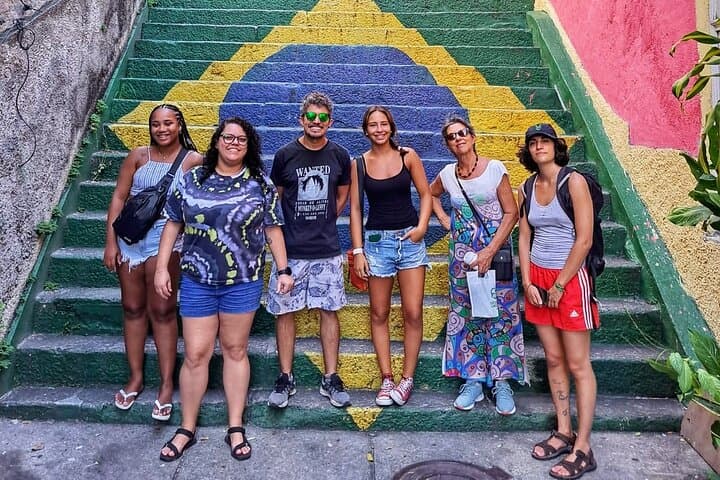
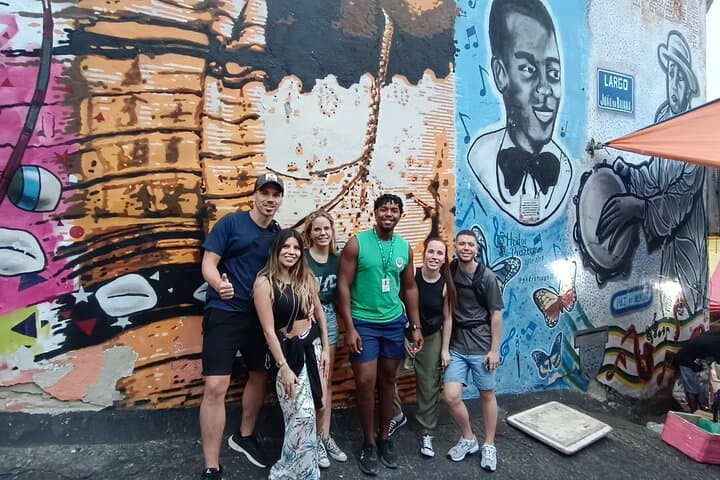
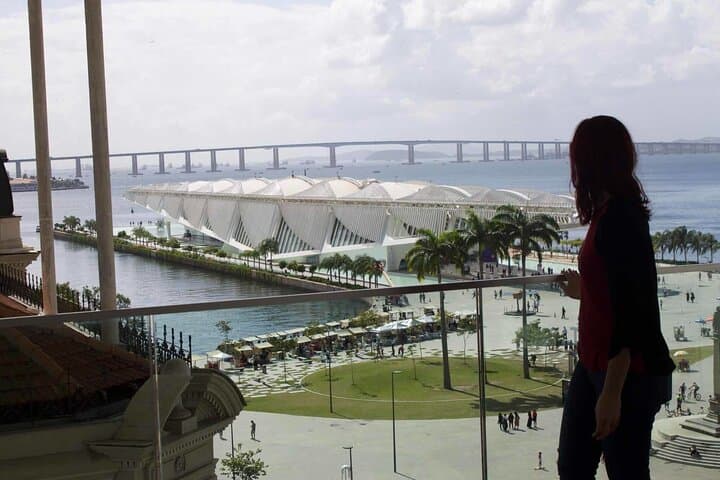
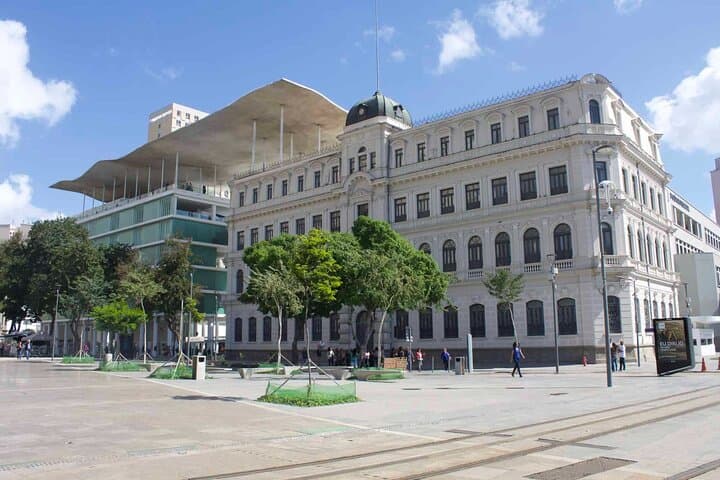
You step off Avenida Rio Branco and the city’s rhythm shifts: salt and diesel mix with percussion echoing from a narrow street where elders nod and drums tap an old tempo. The guide leads a compact group past modern museums and into the blocks that hold stories of forced migration, endurance and music — the walk funnels down toward Pedra do Sal, the outcrop where samba found a voice.
You step off Avenida Rio Branco and the city’s rhythm shifts: salt and diesel mix with percussion echoing from a narrow street where elders nod and drums tap an old tempo. The guide leads a compact group past modern museums and into the blocks that hold stories of forced migration, endurance and music — the walk funnels down toward Pedra do Sal, the outcrop where samba found a voice.
This four-hour walk threads history and place. Along the port you pass the World Heritage docks of Cais do Valongo, a 19th-century landing point for enslaved Africans. The geology changes too: coastal silt gives way to the exposed granite of the Pedra, a small rock that became a gathering point. Culture here is visceral — food stalls steaming feijoada, roda de samba breaking into call-and-response, and a surviving network of 'Little Africa' streets where neighborhoods kept language, prayer and rhythm alive.
Expect a mix of paved boulevards and tight, uneven lanes; there’s an included visit to a samba school with admission, and plenty of stops for story and song. Practicalities matter: wear sturdy walking shoes for cobbles, bring sun protection and water, and carry ID — a valid passport is required for booking. The tour is wheelchair accessible in parts, but ask about specific transfer routes ahead of time. Time your visit for a Monday or Friday night if you want to experience the live street parties; otherwise mid-morning tours give clearer historical context and cooler temperatures.