THE ADVENTURE COLLECTIVE® · Independent discovery and booking for outdoor travel

Hands-on marimba lessons in Cali introduce travelers to Afro-Colombian Pacific coast rhythms, instruments, and dance in a one-hour interactive workshop. Expect instrument time, historical context, and basic dance steps — ideal for curious travelers seeking direct cultural exchange.
Hands-on marimba lessons in Cali introduce travelers to Afro-Colombian Pacific coast rhythms, instruments, and dance in a one-hour interactive workshop. Expect instrument time, historical context, and basic dance steps — ideal for curious travelers seeking direct cultural exchange.
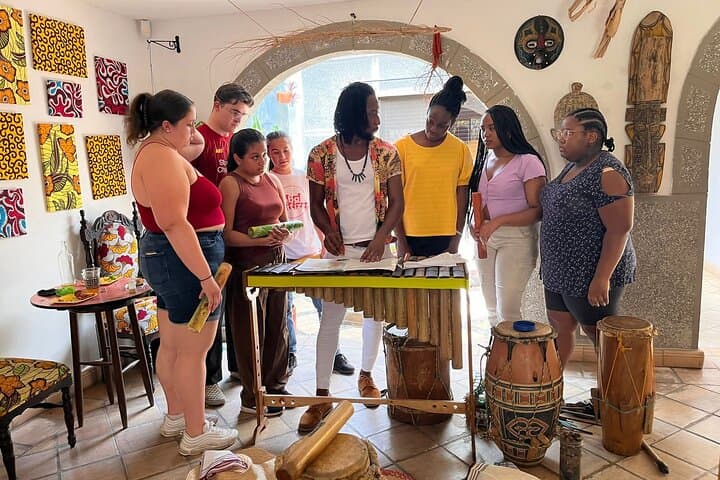
You step into a small, sun-warmed studio in Cali and the first thing you notice is the marimba’s low, wooden voice — a rhythm that seems to pull the room forward like a tide. The instructor taps a pattern and the pulse spreads; bodies find the beat before minds do.
Verified experiences and guided adventures in the surrounding area.
Operated by Chonta E Enterprises · Cali, Valle del Cauca
You step into a small, sun-warmed studio in Cali and the first thing you notice is the marimba’s low, wooden voice — a rhythm that seems to pull the room forward like a tide. The instructor taps a pattern and the pulse spreads; bodies find the beat before minds do.
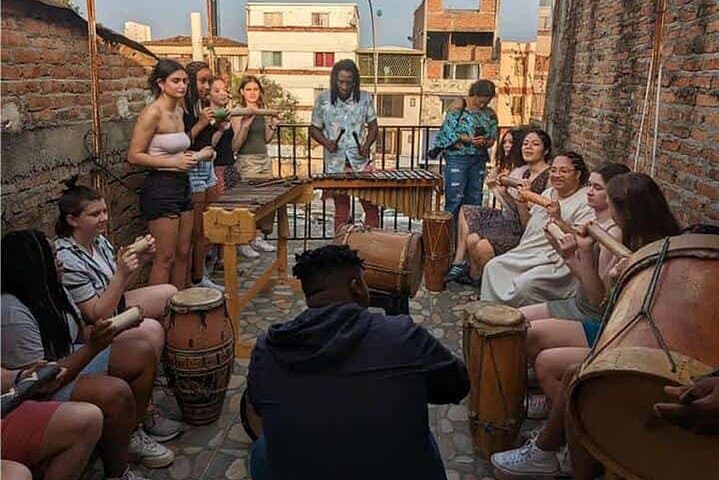
Marimba music comes from Colombia’s Pacific coast and is central to Afro-Colombian culture there. Instruments such as the marimba de chonta, bombo and guasa carry stories of community, labor and ritual. The marimba’s thick timbre is tied to the region’s timber and wetlands, and the rhythms evolved alongside the migration and resilience of coastal peoples.
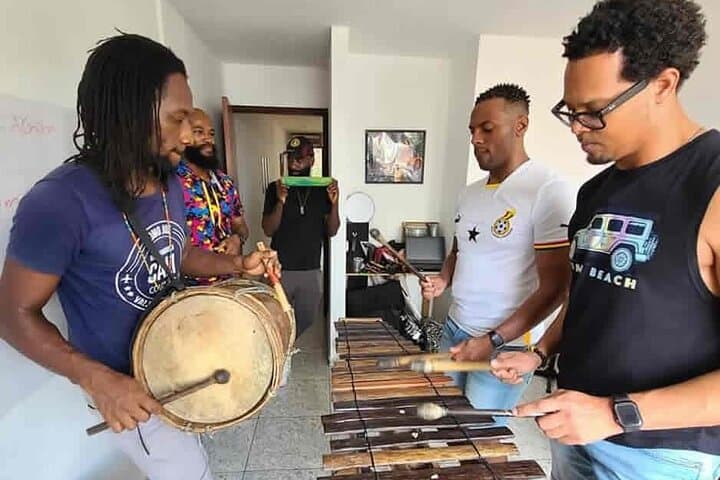
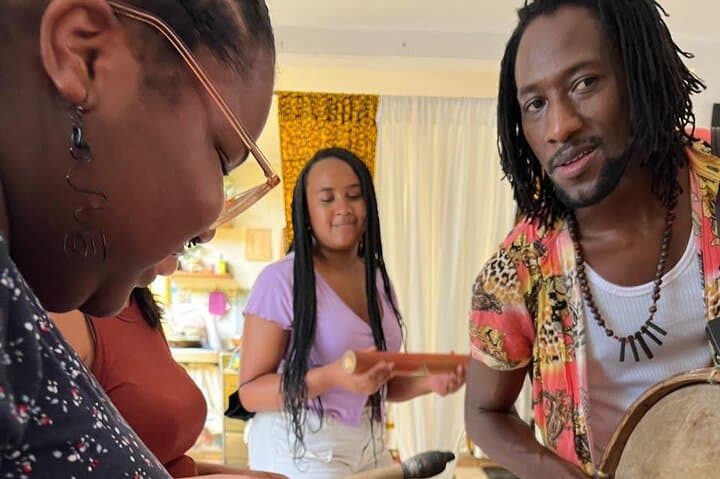
In this practical one-hour workshop you’ll learn basic playing techniques, a traditional rhythm, and a few steps of associated dance — a compact primer on history and practice rather than a performance. Expect hands-on time with instruments provided, demonstrations of traditional patterns, and short cultural context segments about the Pacific coast and its musical traditions.
Plan for a session that’s lively and accessible: standing, clapping, light movement and close listening. Bring a phone or small recorder (with permission) and wear comfortable shoes for dancing. The studio is typically in an urban neighborhood near public transit, so factor in traffic and street-level noise.
This lesson is best for curious travelers who want direct cultural exchange — arrive ready to listen, try, and respect the lineage behind each beat.
easy.
1 hour.
Suitable for all fitness levels; requires light standing and basic coordination for dance steps
No — the workshop is designed for beginners and focuses on hands-on learning and basic rhythms.
Yes — the tour listing states musical instruments are provided for use during the session.
Generally yes; the activity is physically easy but involves standing and light movement—check health advisories for spinal or cardiovascular conditions.
Workshops are typically conducted in Spanish; ask the operator ahead of time about English support or private-group accommodations.
Marimba music is rooted in the Afro-Colombian communities of the Pacific coast and carries rhythm patterns and dances passed down through generations.
Support local instructors and small cultural centers; avoid large groups and respect instrument care to reduce wear and support sustainable cultural tourism.
Chonta E Enterprises operates guided outdoor trips and adventures with an emphasis on safety, stewardship, and memorable experiences.
You step into a small, sun-warmed studio in Cali and the first thing you notice is the marimba’s low, wooden voice — a rhythm that seems to pull the room forward like a tide. The instructor taps a pattern and the pulse spreads; bodies find the beat before minds do.
You step into a small, sun-warmed studio in Cali and the first thing you notice is the marimba’s low, wooden voice — a rhythm that seems to pull the room forward like a tide. The instructor taps a pattern and the pulse spreads; bodies find the beat before minds do.
Marimba music comes from Colombia’s Pacific coast and is central to Afro-Colombian culture there. Instruments such as the marimba de chonta, bombo and guasa carry stories of community, labor and ritual. The marimba’s thick timbre is tied to the region’s timber and wetlands, and the rhythms evolved alongside the migration and resilience of coastal peoples.
In this practical one-hour workshop you’ll learn basic playing techniques, a traditional rhythm, and a few steps of associated dance — a compact primer on history and practice rather than a performance. Expect hands-on time with instruments provided, demonstrations of traditional patterns, and short cultural context segments about the Pacific coast and its musical traditions.
Plan for a session that’s lively and accessible: standing, clapping, light movement and close listening. Bring a phone or small recorder (with permission) and wear comfortable shoes for dancing. The studio is typically in an urban neighborhood near public transit, so factor in traffic and street-level noise.
This lesson is best for curious travelers who want direct cultural exchange — arrive ready to listen, try, and respect the lineage behind each beat.