
Afro-Brazilian History & Little Africa Walking Tour in Rio de Janeiro
Walk the streets of Rio’s Little Africa and stand where nearly a million Africans set foot in the Americas. This 4–5 hour guided tour pairs museum entries with Carnaval ateliers and waterfront memorials to map history, culture, and living resistance.
An Adventure In Rio de Janeiro.
Walk the streets of Rio’s Little Africa and stand where nearly a million Africans set foot in the Americas. This 4–5 hour guided tour pairs museum entries with Carnaval ateliers and waterfront memorials to map history, culture, and living resistance.
Read the full experience
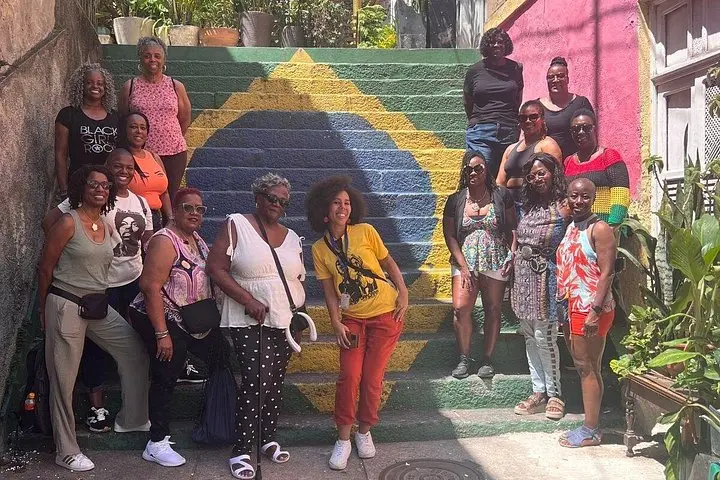
You start on a sun-warmed quay where the water of Guanabara Bay pushes at the city’s edge and the voices of vendors and samba clash gently with traffic. The tour moves deliberately through narrow streets of Saúde and Gamboa, past painted façades and warehouses that still remember the ships that once moored here.
You start on a sun-warmed quay where the water of Guanabara Bay pushes at the city’s edge and the voices of vendors and samba clash gently with traffic. The tour moves deliberately through narrow streets of Saúde and Gamboa, past painted façades and warehouses that still remember the ships that once moored here.
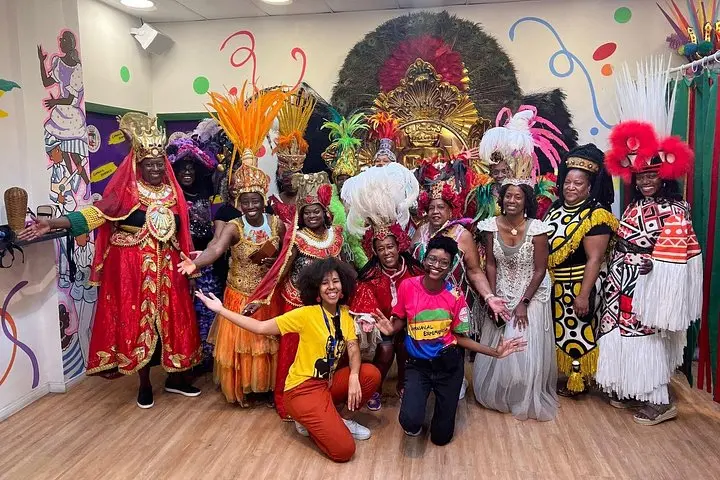
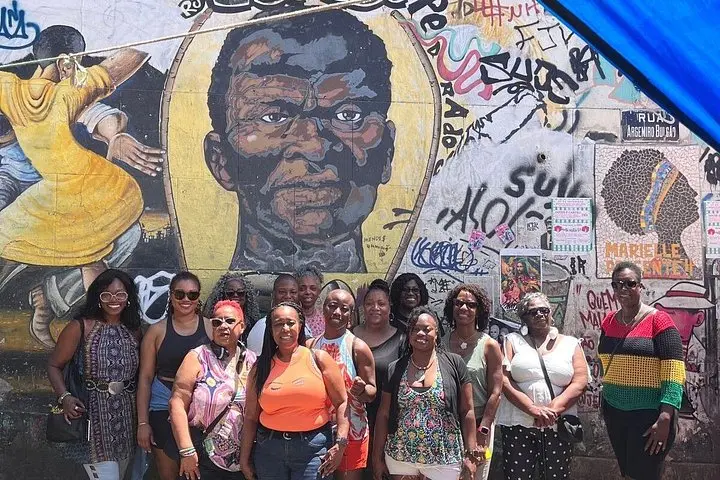
This route follows hard, important history: Cais do Valongo, the principal 19th-century disembarkation point for enslaved Africans in the Americas and a UNESCO World Heritage site. The itinerary threads from the Cidade do Samba and Carnival Factory—where costume ateliers keep rhythm and craft alive—to the Museum of Afro-Brazilian Culture, Instituto Pretos Novos, and the perfumed, percussion-ready enclave at Pedra do Sal. The layers are geological and social; reclaimed marshland gave this port its form while the people who lived and resisted here shaped Rio’s culture and music.
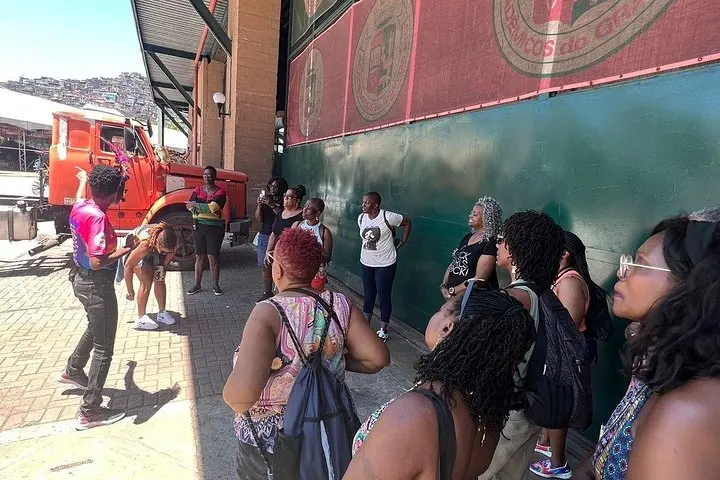
Expect an urban walk of 4–5 hours over mostly flat pavement with several museum entries and brief stairways. Guides emphasize narrative and memory; bring sunscreen and water, wear comfortable shoes, and allow time to stop for exhibits and an included caipirinha. Photographs are welcome but follow signage and local requests at memorial sites. Public transit runs nearby if you want to arrive early or return to central neighborhoods. The tour balances history and living culture—processions of sound, the cadence of samba and stories of survival—offering both context and concrete logistics for a respectful, fully grounded visit.
Frequently asked questions
The full experience runs about 4–5 hours with walking primarily on flat urban streets and short stair sections between sites.
Yes—admission to the Carnival Factory, Museum of Afro-Brazilian Culture, and Instituto Pretos Novos are included per the itinerary.
The tour notes stroller accessibility for infants and short walks, but some stops have limited space and stairs—check in advance if traveling with very young children.
The route is mostly flat but includes museum steps and narrow streets; contact the operator to confirm accommodations or modified routes.
About This Experience
Janeiro Tour & Travel operates guided outdoor trips and adventures with an emphasis on safety, stewardship, and memorable experiences.
Adventure tips
Recommended gear
- Comfortable walking shoes: Support for pavement, stairs, and brief cobbled sections at historic sites.
- Reusable water bottle: Staying hydrated is essential in Rio’s heat and humidity.
- Light rain shell or umbrella: Afternoon showers are common—pack something compact to stay dry.
- Portable charger and camera: Phones last through photos and translations—extras keep you connected and documenting visits.
Photos of the experience
Related adventures & guides
Read the full experience
You start on a sun-warmed quay where the water of Guanabara Bay pushes at the city’s edge and the voices of vendors and samba clash gently with traffic. The tour moves deliberately through narrow streets of Saúde and Gamboa, past painted façades and warehouses that still remember the ships that once moored here.
You start on a sun-warmed quay where the water of Guanabara Bay pushes at the city’s edge and the voices of vendors and samba clash gently with traffic. The tour moves deliberately through narrow streets of Saúde and Gamboa, past painted façades and warehouses that still remember the ships that once moored here.
This route follows hard, important history: Cais do Valongo, the principal 19th-century disembarkation point for enslaved Africans in the Americas and a UNESCO World Heritage site. The itinerary threads from the Cidade do Samba and Carnival Factory—where costume ateliers keep rhythm and craft alive—to the Museum of Afro-Brazilian Culture, Instituto Pretos Novos, and the perfumed, percussion-ready enclave at Pedra do Sal. The layers are geological and social; reclaimed marshland gave this port its form while the people who lived and resisted here shaped Rio’s culture and music.
Expect an urban walk of 4–5 hours over mostly flat pavement with several museum entries and brief stairways. Guides emphasize narrative and memory; bring sunscreen and water, wear comfortable shoes, and allow time to stop for exhibits and an included caipirinha. Photographs are welcome but follow signage and local requests at memorial sites. Public transit runs nearby if you want to arrive early or return to central neighborhoods. The tour balances history and living culture—processions of sound, the cadence of samba and stories of survival—offering both context and concrete logistics for a respectful, fully grounded visit.
Make a day of it nearby.
Verified experiences and guided adventures in the surrounding area.