THE ADVENTURE COLLECTIVE® · Independent discovery and booking for outdoor travel

Step into Austin’s hologram zoo for a 30–60 minute, family-friendly projection show that brings African megafauna to life with 3D optics. Ideal for tech-curious families and visitors seeking a low-impact wildlife encounter.
Step into Austin’s hologram zoo for a 30–60 minute, family-friendly projection show that brings African megafauna to life with 3D optics. Ideal for tech-curious families and visitors seeking a low-impact wildlife encounter.
Step inside a darkened gallery and the room rearranges itself: plains stretch toward a projected sunset, a lion turns its head and a hippo surfaces with a spray of light. The Africa Hologram Adventure at Zoocade uses large-scale holography and 3D glasses to place you in cinematic encounters with savannah species — an indoor wildlife encounter that relies on optics and choreography rather than fences and feed schedules.
Verified experiences and guided adventures in the surrounding area.
Operated by Zoocade- America's First Hologram Zoo · Austin, Texas
Step inside a darkened gallery and the room rearranges itself: plains stretch toward a projected sunset, a lion turns its head and a hippo surfaces with a spray of light. The Africa Hologram Adventure at Zoocade uses large-scale holography and 3D glasses to place you in cinematic encounters with savannah species — an indoor wildlife encounter that relies on optics and choreography rather than fences and feed schedules.
The exhibit markets itself as America’s first hologram zoo, part of a small global wave of immersive projection attractions that trace their roots to advances in laser and projection technology over the last few decades. In Austin, a city known for tech-forward arts and hands-on attractions, the show sits alongside museums and interactive exhibits rather than nature reserves. Expect curated sequences that emphasize close-up animal behavior rendered in hyperreal imagery — no live animals, but accurate sound design and pacing that mimics wildlife viewing.
Practically: sessions run about 30–60 minutes and are family-focused (recommended for ages 4+). The venue is wheelchair- and stroller-accessible, and staff provide 3D glasses; however, the experience is not recommended for people with epilepsy or strong sensitivity to flashing lights and loud audio. Arrive 10–15 minutes early to get seated and choose a center view; quieter weekday matinees reduce line time. Consider pairing this show with the Australia or Dinosaurs options for a longer multimedia visit.
Bring water, quiet children’s headphones if needed, and an appetite to learn — the holograms aim to entertain while opening a conversation about animals and the ways technology can simulate up-close encounters without disturbing real habitats.
easy.
30–60 minutes.
Minimal physical exertion; suitable for most fitness levels including young children and older adults
Each show runs roughly 30–60 minutes; plan extra time for entry, seating, and any post-show exhibits.
Yes — the venue reports full wheelchair and stroller access and staff can assist with seating placement.
Children under 3 are free, but the producers recommend the experience for children 4 and older who are comfortable wearing 3D glasses.
Photography rules vary by sequence; typically flash or tripods are prohibited during projections — ask staff on arrival for current camera policy.
Marketed as America’s first hologram zoo, the attraction reflects recent advances in large-scale projection and Austin’s interest in tech-forward cultural experiences.
Because the exhibit uses simulations rather than live animals, it reduces direct impact on wildlife; consider supporting real-world conservation groups if you’re moved by the presentations.
Zoocade- America's First Hologram Zoo operates guided outdoor trips and adventures with an emphasis on safety, stewardship, and memorable experiences.

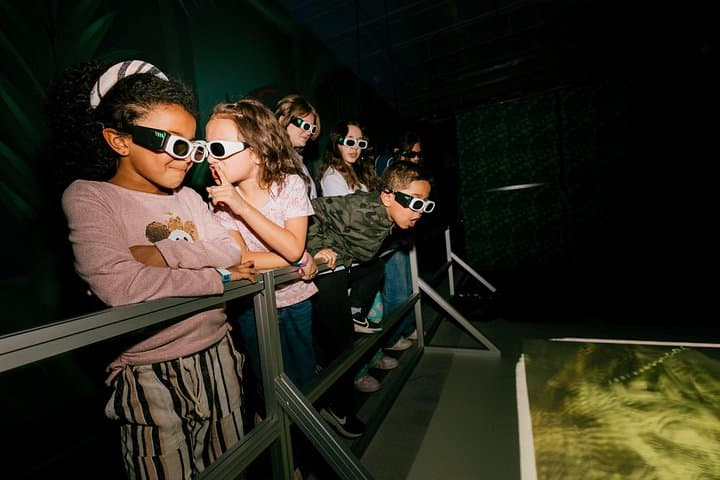
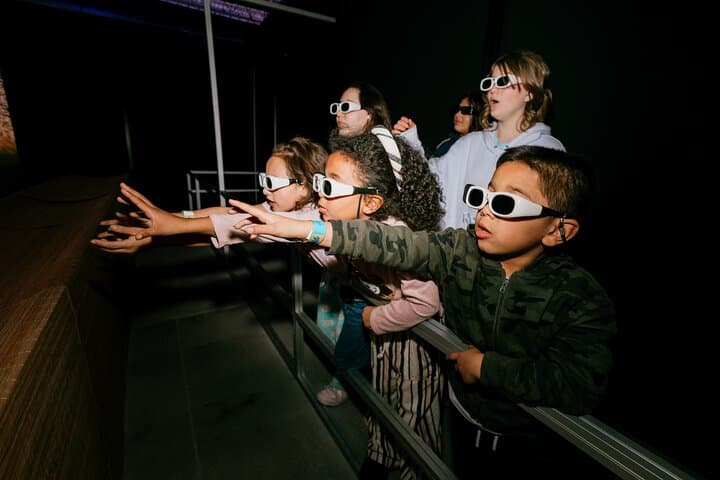
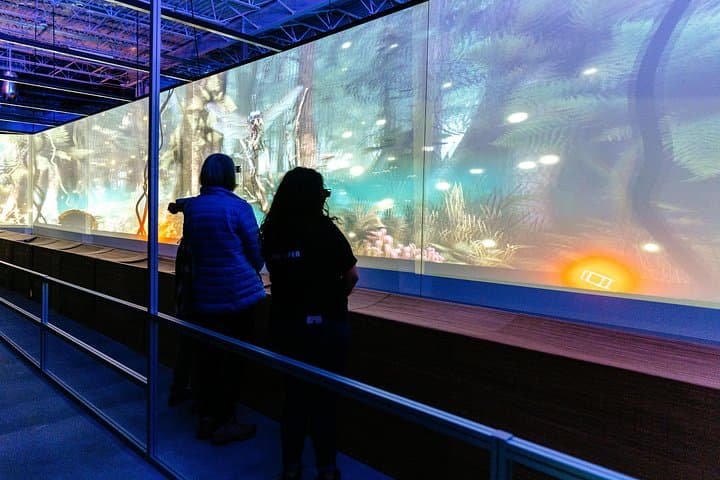
Step inside a darkened gallery and the room rearranges itself: plains stretch toward a projected sunset, a lion turns its head and a hippo surfaces with a spray of light. The Africa Hologram Adventure at Zoocade uses large-scale holography and 3D glasses to place you in cinematic encounters with savannah species — an indoor wildlife encounter that relies on optics and choreography rather than fences and feed schedules.
Step inside a darkened gallery and the room rearranges itself: plains stretch toward a projected sunset, a lion turns its head and a hippo surfaces with a spray of light. The Africa Hologram Adventure at Zoocade uses large-scale holography and 3D glasses to place you in cinematic encounters with savannah species — an indoor wildlife encounter that relies on optics and choreography rather than fences and feed schedules.
The exhibit markets itself as America’s first hologram zoo, part of a small global wave of immersive projection attractions that trace their roots to advances in laser and projection technology over the last few decades. In Austin, a city known for tech-forward arts and hands-on attractions, the show sits alongside museums and interactive exhibits rather than nature reserves. Expect curated sequences that emphasize close-up animal behavior rendered in hyperreal imagery — no live animals, but accurate sound design and pacing that mimics wildlife viewing.
Practically: sessions run about 30–60 minutes and are family-focused (recommended for ages 4+). The venue is wheelchair- and stroller-accessible, and staff provide 3D glasses; however, the experience is not recommended for people with epilepsy or strong sensitivity to flashing lights and loud audio. Arrive 10–15 minutes early to get seated and choose a center view; quieter weekday matinees reduce line time. Consider pairing this show with the Australia or Dinosaurs options for a longer multimedia visit.
Bring water, quiet children’s headphones if needed, and an appetite to learn — the holograms aim to entertain while opening a conversation about animals and the ways technology can simulate up-close encounters without disturbing real habitats.