THE ADVENTURE COLLECTIVE® · Independent discovery and booking for outdoor travel

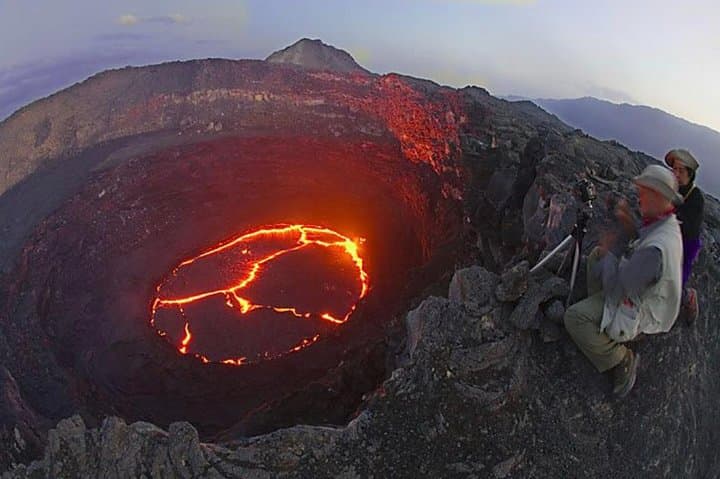
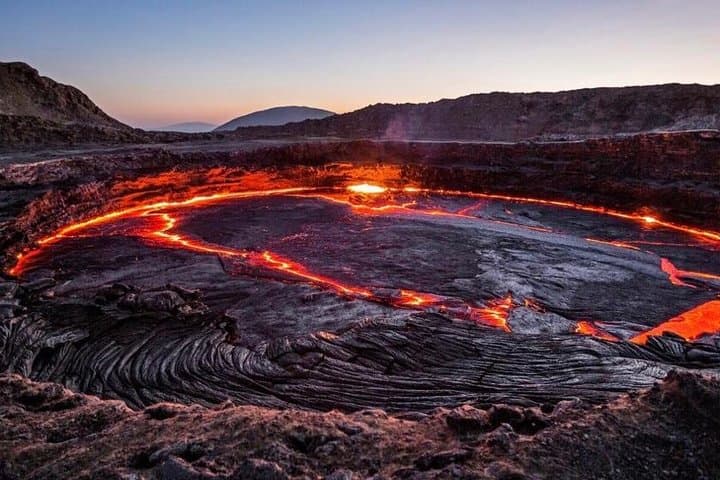
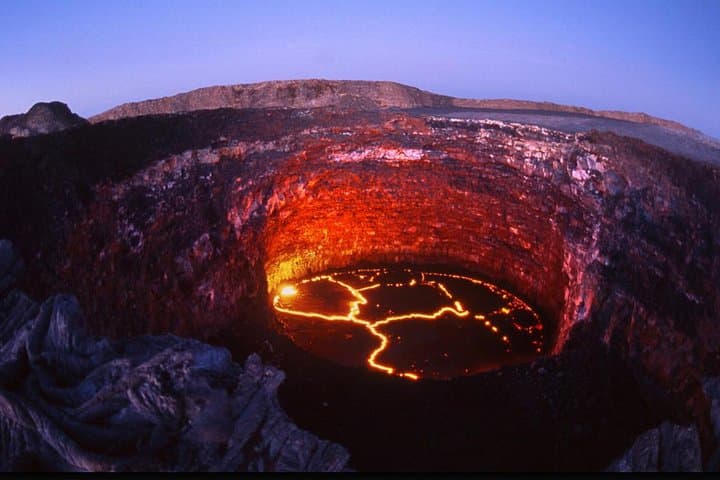
Feel the heat and see Earth’s raw processes up close on a multi-day Danakil expedition. From Erta Ale’s lava lake to Dallol’s rainbow fumaroles and age-old salt caravans, this trip is an expedition-style immersion in one of the planet’s most extreme landscapes.
Feel the heat and see Earth’s raw processes up close on a multi-day Danakil expedition. From Erta Ale’s lava lake to Dallol’s rainbow fumaroles and age-old salt caravans, this trip is an expedition-style immersion in one of the planet’s most extreme landscapes.
Night in the Danakil is a study in extremes: a low, alien sky lit by Erta Ale’s molten pulse while sulfur-stained fumaroles throw lurid colors across salt flats. Heat rolls off the ground in visible waves and the silhouettes of camel caravans move like slow ghosts across a white, glassy plain.
Verified experiences and guided adventures in the surrounding area.
Operated by WALK IN ETHIOPIA TOUR AND TRAVEL · Semera, Afar Region
Night in the Danakil is a study in extremes: a low, alien sky lit by Erta Ale’s molten pulse while sulfur-stained fumaroles throw lurid colors across salt flats. Heat rolls off the ground in visible waves and the silhouettes of camel caravans move like slow ghosts across a white, glassy plain.
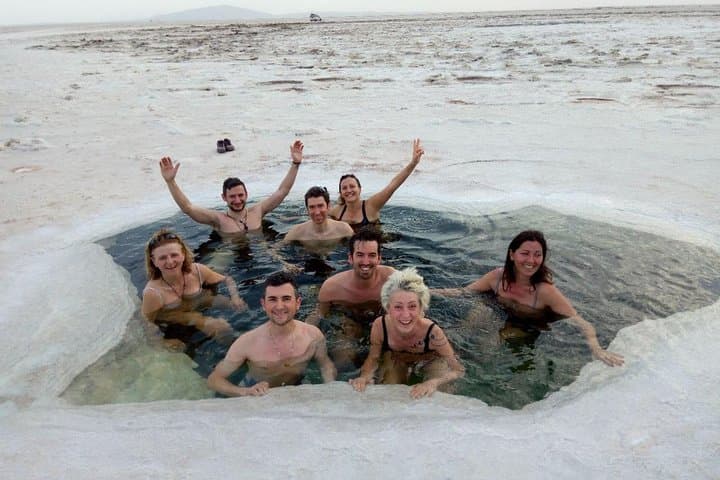
Geology here is theatrical and raw. The Danakil Depression sits roughly 100–150 m below sea level at the Afar Triple Junction, where rifting pulls the crust apart and allows magma, salt domes and hydrothermal springs to sculpt neon pools and fumarolic fields. Erta Ale’s lava lake is one of the planet’s handful of persistent molten basins; Dallol exposes updomed salt, hot springs and potash remnants from 20th‑century mining. Culturally, the Afar people have managed salt caravans across these flats for centuries—an economy and ritual that persists despite the climate.
Practical guidance: this is an expedition, not a walk in the park. Travel typically begins with a flight from Addis Ababa to Semera, then long 4x4 drives over corrugated desert tracks. Temperatures commonly approach 45–50°C in the hottest months; stay hydrated, avoid midday activity, and expect primitive camping on crater rims and salt plains. A local guide and permits are standard; many tour packages include domestic flights, local guide fees and basic full-board accommodation or camping. Prepare sun protection, at least 3–4 liters of water per person per day, sturdy boots and a simple first-aid kit. Respect Afar customs and fragile hydrothermal sites—photograph, don’t touch. For travelers willing to accept rough roads and intense heat, the Danakil delivers geological spectacle and hard-won vistas few places can match.
challenging.
4 days.
Moderate to strong fitness recommended—must tolerate long vehicle transfers, rough terrain and extreme heat.
Most tours fly from Addis Ababa to Semera, then continue by 4x4 into the Danakil; expect long overland transfers on unpaved roads.
With an experienced guide, proper hydration and timing (avoiding midday exertion), risks are manageable—but the region is physically demanding and not recommended for those with serious health issues or pregnancy.
Local entrance and guide fees are commonly handled by tour operators and often included in multi‑day packages—confirm before booking.
November–February offers the most comfortable temperatures and nights that are cooler; avoid peak summer months if sensitive to extreme heat.
The Danakil has been a salt-trade corridor for centuries and hosted 20th‑century potash mining; human presence here centers on Afar pastoral and caravan traditions.
Hydrothermal pools and salt crusts are fragile—stay on established paths, pack out waste and follow guide instructions to limit damage.
WALK IN ETHIOPIA TOUR AND TRAVEL operates guided outdoor trips and adventures with an emphasis on safety, stewardship, and memorable experiences.
Night in the Danakil is a study in extremes: a low, alien sky lit by Erta Ale’s molten pulse while sulfur-stained fumaroles throw lurid colors across salt flats. Heat rolls off the ground in visible waves and the silhouettes of camel caravans move like slow ghosts across a white, glassy plain.
Night in the Danakil is a study in extremes: a low, alien sky lit by Erta Ale’s molten pulse while sulfur-stained fumaroles throw lurid colors across salt flats. Heat rolls off the ground in visible waves and the silhouettes of camel caravans move like slow ghosts across a white, glassy plain.
Geology here is theatrical and raw. The Danakil Depression sits roughly 100–150 m below sea level at the Afar Triple Junction, where rifting pulls the crust apart and allows magma, salt domes and hydrothermal springs to sculpt neon pools and fumarolic fields. Erta Ale’s lava lake is one of the planet’s handful of persistent molten basins; Dallol exposes updomed salt, hot springs and potash remnants from 20th‑century mining. Culturally, the Afar people have managed salt caravans across these flats for centuries—an economy and ritual that persists despite the climate.
Practical guidance: this is an expedition, not a walk in the park. Travel typically begins with a flight from Addis Ababa to Semera, then long 4x4 drives over corrugated desert tracks. Temperatures commonly approach 45–50°C in the hottest months; stay hydrated, avoid midday activity, and expect primitive camping on crater rims and salt plains. A local guide and permits are standard; many tour packages include domestic flights, local guide fees and basic full-board accommodation or camping. Prepare sun protection, at least 3–4 liters of water per person per day, sturdy boots and a simple first-aid kit. Respect Afar customs and fragile hydrothermal sites—photograph, don’t touch. For travelers willing to accept rough roads and intense heat, the Danakil delivers geological spectacle and hard-won vistas few places can match.