THE ADVENTURE COLLECTIVE® · Independent discovery and booking for outdoor travel

Spend two active days hiking Ghana’s highest walkable peak and cooling off beneath Wli Falls. This private tour pairs summit views, river crossings, and a sacred monkey sanctuary with local culture and overnight village hospitality.
Spend two active days hiking Ghana’s highest walkable peak and cooling off beneath Wli Falls. This private tour pairs summit views, river crossings, and a sacred monkey sanctuary with local culture and overnight village hospitality.
A damp morning greets the trailhead as the forest exhales and the path climbs toward Mount Afadjato. Mossy roots grab at boots, streams thread underfoot, and the mountain seems to pull you upward with a steady, patient insistence. Reach the ridge and the valley opens — green slopes give way to the thunder of Wli Falls below, where water dares you to cool off in its plunge pool.
Verified experiences and guided adventures in the surrounding area.
Operated by Happy eagle tourism management · Hohoe, Volta
A damp morning greets the trailhead as the forest exhales and the path climbs toward Mount Afadjato. Mossy roots grab at boots, streams thread underfoot, and the mountain seems to pull you upward with a steady, patient insistence. Reach the ridge and the valley opens — green slopes give way to the thunder of Wli Falls below, where water dares you to cool off in its plunge pool.
Afadjato sits on the Akwapim–Togo range, a modest peak shaped by ancient uplift and long erosion; its summit is Ghana’s highest walkable point at roughly 880–900 m. Wli (Agumatsa) Falls is the country’s most famous cascade, fed by highland streams that have carved channels through layered forest. The region is Ewe country: sacred groves, forest stewardship, and small farming towns shape local life, and the Tafi Atome sanctuary protects the resident Mona monkeys that have lived with people for generations.
Practically, expect two active days: the Afadjato ascent is typically a 1–2 hour climb (rough, stony trails, ~300–400 m of gain depending on your start), while the Wli approach involves multiple stream crossings and a 30–60 minute walk from the village. Trails can be slippery after rain; shoes with traction, insect repellent, and layered clothing matter. Bring cash for village fees and a local guide — they know shortcuts, cultural context, and where the best swim holes are. Start early to avoid midday heat, carry at least 2 L of water, and respect the sanctuary rules: don’t feed the monkeys and stick to marked paths. This two-day loop pairs straightforward hiking with wildlife encounters and roomy viewpoints — an accessible, grounded taste of Ghana’s highland side.
moderate.
2 days (overnight).
Moderate fitness — able to walk 2–4 hours with short steep sections and manage uneven terrain.
Most groups take 1–2 hours to reach the summit from the common trailhead; return is usually faster — plan for variable terrain rather than distance alone.
Older children with steady footing can participate, but the itinerary notes it isn’t suitable for infants or those with severe mobility issues; discuss ages and abilities with the operator.
Yes — there are natural pools beneath the lower falls suitable for swimming, but check current conditions and follow guide instructions due to slippery rocks and variable flow.
This is a private guided tour; local entry fees for some sites may or may not be included — confirm with the operator and carry cash for village charges and tips.
Ewe communities have managed sacred groves here for generations; many forest patches are protected through traditional practices rather than formal parks.
Stick to trails, avoid feeding wildlife, and use local guides — tourism revenue supports village conservation and responsible visitation curbs erosion and disturbance.
Happy eagle tourism management operates guided outdoor trips and adventures with an emphasis on safety, stewardship, and memorable experiences.
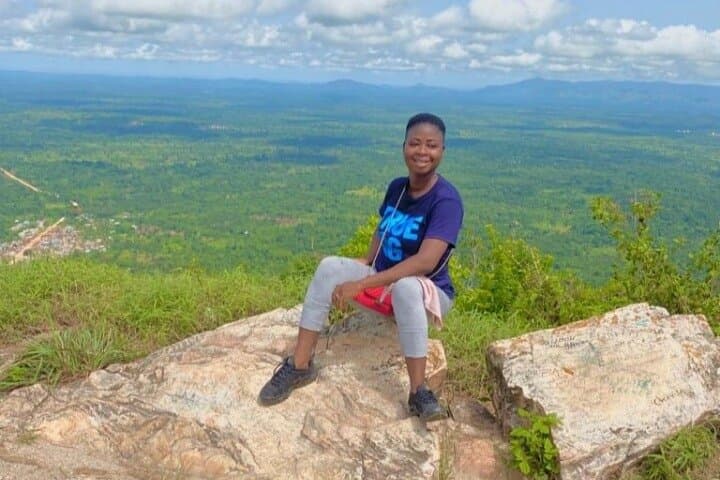
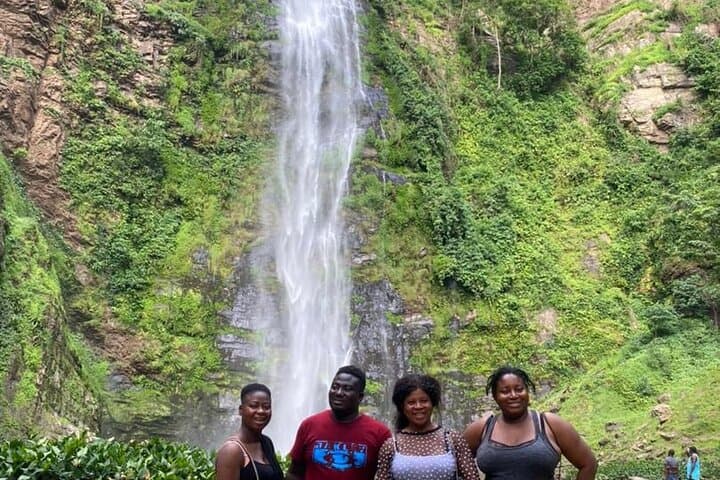
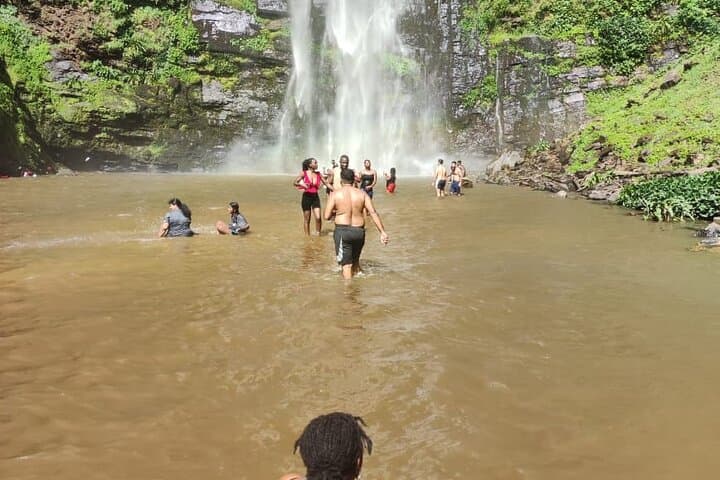
A damp morning greets the trailhead as the forest exhales and the path climbs toward Mount Afadjato. Mossy roots grab at boots, streams thread underfoot, and the mountain seems to pull you upward with a steady, patient insistence. Reach the ridge and the valley opens — green slopes give way to the thunder of Wli Falls below, where water dares you to cool off in its plunge pool.
A damp morning greets the trailhead as the forest exhales and the path climbs toward Mount Afadjato. Mossy roots grab at boots, streams thread underfoot, and the mountain seems to pull you upward with a steady, patient insistence. Reach the ridge and the valley opens — green slopes give way to the thunder of Wli Falls below, where water dares you to cool off in its plunge pool.
Afadjato sits on the Akwapim–Togo range, a modest peak shaped by ancient uplift and long erosion; its summit is Ghana’s highest walkable point at roughly 880–900 m. Wli (Agumatsa) Falls is the country’s most famous cascade, fed by highland streams that have carved channels through layered forest. The region is Ewe country: sacred groves, forest stewardship, and small farming towns shape local life, and the Tafi Atome sanctuary protects the resident Mona monkeys that have lived with people for generations.
Practically, expect two active days: the Afadjato ascent is typically a 1–2 hour climb (rough, stony trails, ~300–400 m of gain depending on your start), while the Wli approach involves multiple stream crossings and a 30–60 minute walk from the village. Trails can be slippery after rain; shoes with traction, insect repellent, and layered clothing matter. Bring cash for village fees and a local guide — they know shortcuts, cultural context, and where the best swim holes are. Start early to avoid midday heat, carry at least 2 L of water, and respect the sanctuary rules: don’t feed the monkeys and stick to marked paths. This two-day loop pairs straightforward hiking with wildlife encounters and roomy viewpoints — an accessible, grounded taste of Ghana’s highland side.