THE ADVENTURE COLLECTIVE® · Independent discovery and booking for outdoor travel

Stand on the sharp edge of Korea’s division at Aegibong Observatory, then warm your hands over a traditional gochujang-making bench and a bowl of bibimbap. This private day tour blends frontline vistas with rural craft and local flavors.
Stand on the sharp edge of Korea’s division at Aegibong Observatory, then warm your hands over a traditional gochujang-making bench and a bowl of bibimbap. This private day tour blends frontline vistas with rural craft and local flavors.
You arrive at Aegibong as the road eases away from Seoul’s steel and glass, the air sharpening as the city recedes. The peak’s observatory juts above low ridgelines; binoculars, flags, and a concrete viewing platform frame an uncomfortable close-up of a divided peninsula. The wind on the spur seems to push history forward and back—soldiers’ posts and distant rooftops across the river watch like silent neighbors.
Verified experiences and guided adventures in the surrounding area.
Operated by Jung Ho Travel · Gimpo, Gyeonggi-do
You arrive at Aegibong as the road eases away from Seoul’s steel and glass, the air sharpening as the city recedes. The peak’s observatory juts above low ridgelines; binoculars, flags, and a concrete viewing platform frame an uncomfortable close-up of a divided peninsula. The wind on the spur seems to push history forward and back—soldiers’ posts and distant rooftops across the river watch like silent neighbors.
Aegibong’s slopes carry scars and stories: a fierce Korean War battle, a 17th-century love story that gave the peak its name, and modern memorials where expatriate communities honor ancestors at the Mangbaedan altar. Geologically the ridge is modest—rock outcrops, terraced fields, and quick-draining soil that reveal why it became a lookout and a contested edge.
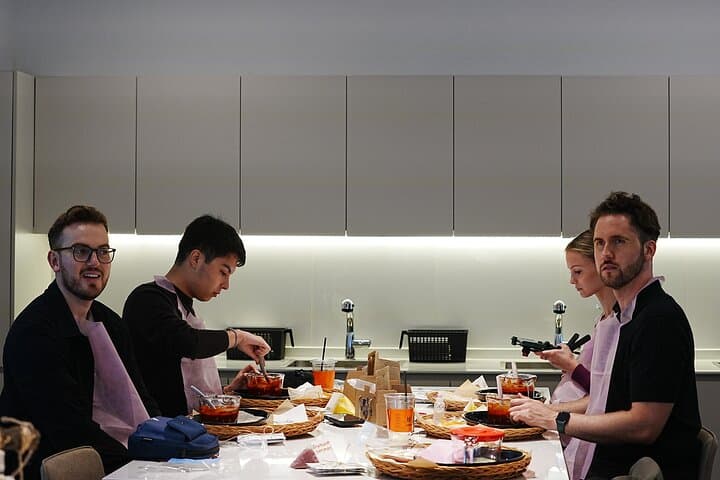
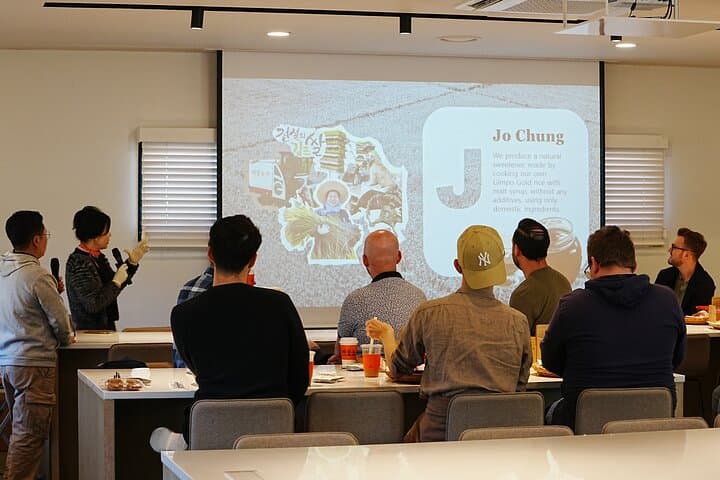
The tour pairs this sharp historical viewing with hands-on rural life: a three-generation rice and gochujang workshop where you mash chilies, measure rice, and jar a 200g souvenir of Korea’s chief condiment. A family-run mill, a traditional bibimbap lunch made from locally sourced produce, and a hand-drip coffee session round out the sensory counterpoint—history tempered by food and craft.
Practical edge: entry to Aegibong is subject to military access; carry your passport, expect security checks, and allow for up to an hour of driving from Seoul. Wear sturdy footwear for uneven paths, bring layered wind protection, and plan the visit for daylight hours when viewing and workshops run smoothly. For travelers who want context, ask guides about the Mangbaedan rituals and wartime timelines—the place rewards focused attention.
moderate.
6–7 hours.
Moderate fitness: ability to walk short uneven paths and tolerate several hours in a vehicle
Yes. Because Aegibong is within a military-controlled area, all guests must present valid government-issued ID (passport preferred) for access and paperwork.
The tour involves short walks on uneven ground; it's family-friendly but not recommended for guests with serious mobility, spinal, or cardiovascular issues—notify the operator when booking.
Access can be revoked for security reasons. The operator may reroute the itinerary, offer alternate cultural experiences, or cancel with refund depending on timing and conditions.
Yes—inform the company in advance so the bibimbap and other meals can be adapted for allergies, vegetarian diets, or other needs.
Aegibong witnessed fierce engagements during the Korean War and later became a symbol of divided families; the observatory also hosts memorials and the Mangbaedan altar used by North Korean expatriates.
The DMZ corridor's restricted status has created important wildlife habitats—visitors should respect access rules, stick to designated paths, and avoid leaving waste or disturbing farm operations.
Jung Ho Travel operates guided outdoor trips and adventures with an emphasis on safety, stewardship, and memorable experiences.
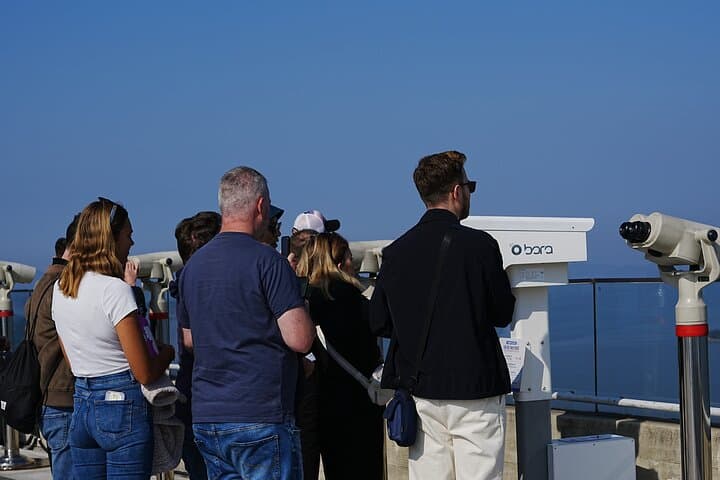
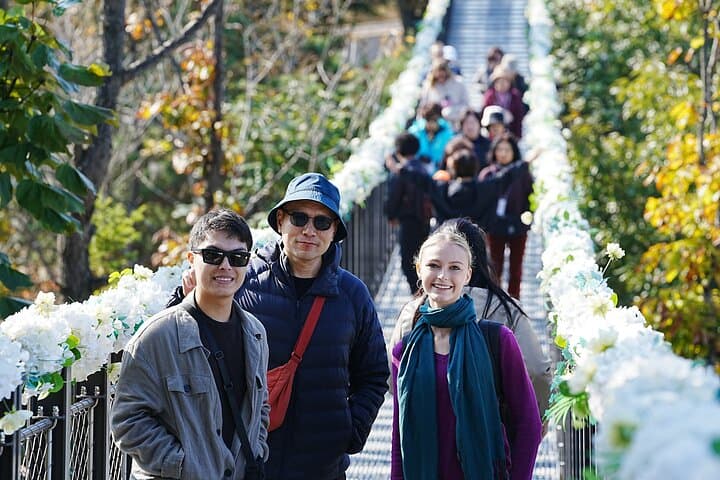
You arrive at Aegibong as the road eases away from Seoul’s steel and glass, the air sharpening as the city recedes. The peak’s observatory juts above low ridgelines; binoculars, flags, and a concrete viewing platform frame an uncomfortable close-up of a divided peninsula. The wind on the spur seems to push history forward and back—soldiers’ posts and distant rooftops across the river watch like silent neighbors.
You arrive at Aegibong as the road eases away from Seoul’s steel and glass, the air sharpening as the city recedes. The peak’s observatory juts above low ridgelines; binoculars, flags, and a concrete viewing platform frame an uncomfortable close-up of a divided peninsula. The wind on the spur seems to push history forward and back—soldiers’ posts and distant rooftops across the river watch like silent neighbors.
Aegibong’s slopes carry scars and stories: a fierce Korean War battle, a 17th-century love story that gave the peak its name, and modern memorials where expatriate communities honor ancestors at the Mangbaedan altar. Geologically the ridge is modest—rock outcrops, terraced fields, and quick-draining soil that reveal why it became a lookout and a contested edge.
The tour pairs this sharp historical viewing with hands-on rural life: a three-generation rice and gochujang workshop where you mash chilies, measure rice, and jar a 200g souvenir of Korea’s chief condiment. A family-run mill, a traditional bibimbap lunch made from locally sourced produce, and a hand-drip coffee session round out the sensory counterpoint—history tempered by food and craft.
Practical edge: entry to Aegibong is subject to military access; carry your passport, expect security checks, and allow for up to an hour of driving from Seoul. Wear sturdy footwear for uneven paths, bring layered wind protection, and plan the visit for daylight hours when viewing and workshops run smoothly. For travelers who want context, ask guides about the Mangbaedan rituals and wartime timelines—the place rewards focused attention.