THE ADVENTURE COLLECTIVE® · Independent discovery and booking for outdoor travel

Walk white travertine shelves, explore Roman streets at Ephesus, and taste Aegean seafood across a compact three-day route. This semi-private tour mixes natural wonders, classical ruins and an optional flight path to Cappadocia’s balloons.
Walk white travertine shelves, explore Roman streets at Ephesus, and taste Aegean seafood across a compact three-day route. This semi-private tour mixes natural wonders, classical ruins and an optional flight path to Cappadocia’s balloons.
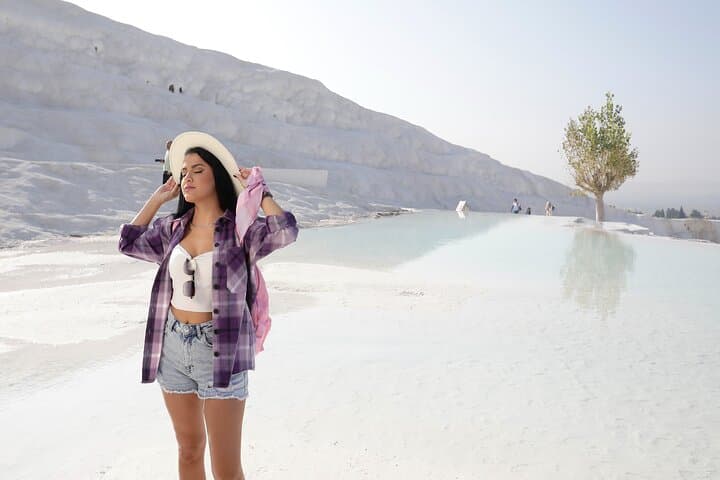
Sunlight hits the white steps of Pamukkale and the terraces glow like a stacked river frozen in time; the air carries mineral steam and the faint calls of gulls from the Aegean. Over the next three days you’ll move from thermal travertines and Roman ruins to coastal towns and mountain plateaus, finishing with a choice to connect to Cappadocia’s sky for a sunrise balloon ride.
Verified experiences and guided adventures in the surrounding area.
Operated by Turkey Experiences · Pamukkale, Denizli Province
Sunlight hits the white steps of Pamukkale and the terraces glow like a stacked river frozen in time; the air carries mineral steam and the faint calls of gulls from the Aegean. Over the next three days you’ll move from thermal travertines and Roman ruins to coastal towns and mountain plateaus, finishing with a choice to connect to Cappadocia’s sky for a sunrise balloon ride.
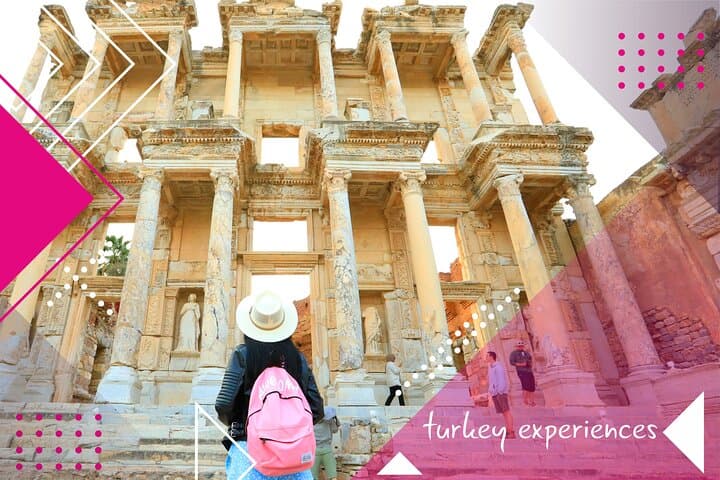
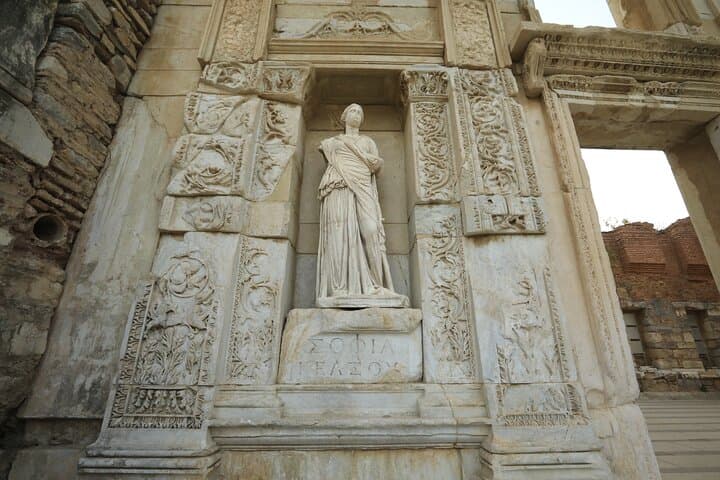
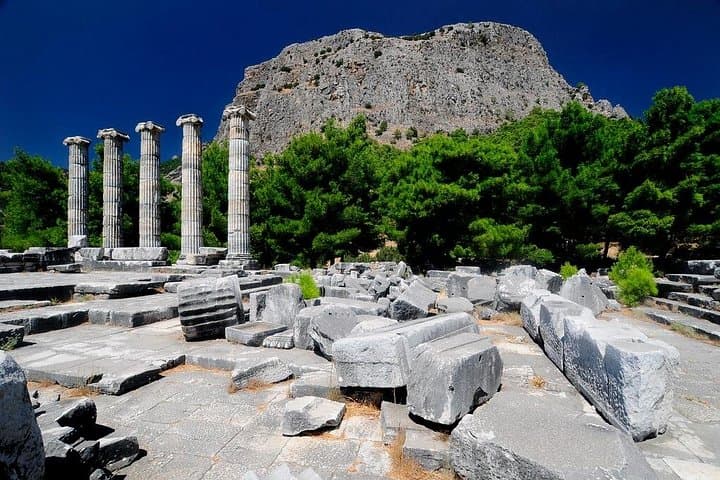
The itinerary stitches together millennia: Hierapolis grew atop mineral springs that Romans turned into baths, Priene and Miletus reflect Ionian city-state planning, and Ephesus carries the weight of classical trade and early Christian history. Geologically, Pamukkale’s terraces are travertine formed by calcium carbonate deposition from hot springs, while Salda’s crater lake shows volcanic basins and ultramarine water uncommon in this part of Turkey.
Local culture is immediate — seafood lunches in fishing towns, handcraft cooperatives preserving weaving and stonework, and small village squares where tea is taken slowly. Guides licensed by Turkey’s Ministry of Culture lead semi-private groups (max 10), and the package includes domestic flights, two nights of hotel accommodation in Kusadasi, and most entrance fees.
Practical pointers: wear sturdy walking shoes for uneven ancient streets, bring swimwear for thermal pools (note restrictions on the travertines), carry cash for optional extras like paragliding and souvenirs, and expect early starts to beat heat and crowds. Weather and domestic flight schedules can alter timing, so keep flexible plans and copies of passport info handy.
moderate.
3 days.
A moderate fitness level is recommended — expect walking on uneven ancient stones, short climbs, and some standing during guided tours.
The hot air balloon is included for the Cappadocia segment as described; flights are weather-dependent and may be rescheduled or refunded if conditions are unsafe.
No — to protect the calcite formations shoes are not permitted on the terraces; expect to walk barefoot on designated paths.
Yes — domestic flights between Istanbul, Denizli, and Izmir (depending on package) and listed transfers are included for Silver/Gold packages; Bronze has different pickup rules—confirm at booking.
Not recommended for those with significant spinal, heart conditions or pregnancy due to uneven terrain and some stairs; inform the operator of any mobility concerns before booking.
This route links key Ionian and Roman sites — Hierapolis and Ephesus were major thermal and trading centers that shaped Aegean antiquity.
Pamukkale is a UNESCO site with strict rules: stay on boardwalks, respect restricted terraces and follow pool-use regulations to protect fragile travertines.
Turkey Experiences operates guided outdoor trips and adventures with an emphasis on safety, stewardship, and memorable experiences.
Sunlight hits the white steps of Pamukkale and the terraces glow like a stacked river frozen in time; the air carries mineral steam and the faint calls of gulls from the Aegean. Over the next three days you’ll move from thermal travertines and Roman ruins to coastal towns and mountain plateaus, finishing with a choice to connect to Cappadocia’s sky for a sunrise balloon ride.
Sunlight hits the white steps of Pamukkale and the terraces glow like a stacked river frozen in time; the air carries mineral steam and the faint calls of gulls from the Aegean. Over the next three days you’ll move from thermal travertines and Roman ruins to coastal towns and mountain plateaus, finishing with a choice to connect to Cappadocia’s sky for a sunrise balloon ride.
The itinerary stitches together millennia: Hierapolis grew atop mineral springs that Romans turned into baths, Priene and Miletus reflect Ionian city-state planning, and Ephesus carries the weight of classical trade and early Christian history. Geologically, Pamukkale’s terraces are travertine formed by calcium carbonate deposition from hot springs, while Salda’s crater lake shows volcanic basins and ultramarine water uncommon in this part of Turkey.
Local culture is immediate — seafood lunches in fishing towns, handcraft cooperatives preserving weaving and stonework, and small village squares where tea is taken slowly. Guides licensed by Turkey’s Ministry of Culture lead semi-private groups (max 10), and the package includes domestic flights, two nights of hotel accommodation in Kusadasi, and most entrance fees.
Practical pointers: wear sturdy walking shoes for uneven ancient streets, bring swimwear for thermal pools (note restrictions on the travertines), carry cash for optional extras like paragliding and souvenirs, and expect early starts to beat heat and crowds. Weather and domestic flight schedules can alter timing, so keep flexible plans and copies of passport info handy.