THE ADVENTURE COLLECTIVE® · Independent discovery and booking for outdoor travel

Two days that pair Pamukkale’s white travertine terraces and Hierapolis ruins with the classical splendor of Ephesus and the pilgrimage calm of the House of the Virgin Mary. Compact, guided, and rich in geology and history—ideal for travelers short on time but hungry for context.
Two days that pair Pamukkale’s white travertine terraces and Hierapolis ruins with the classical splendor of Ephesus and the pilgrimage calm of the House of the Virgin Mary. Compact, guided, and rich in geology and history—ideal for travelers short on time but hungry for context.
You arrive at the rim of Pamukkale as the hot spring water has already begun its slow, patient work—white calcite curtains trace the slope like frozen waterfalls, daring you to follow their ribbon toward the valley below.
Verified experiences and guided adventures in the surrounding area.
Operated by Turkey Experiences · Pamukkale, Denizli
You arrive at the rim of Pamukkale as the hot spring water has already begun its slow, patient work—white calcite curtains trace the slope like frozen waterfalls, daring you to follow their ribbon toward the valley below.
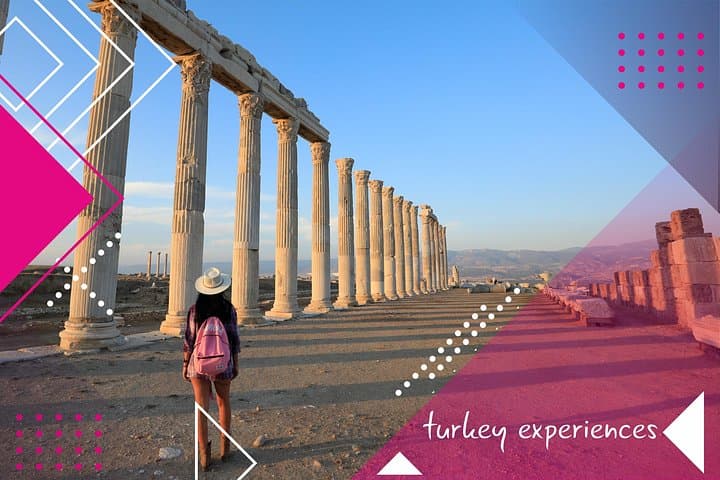
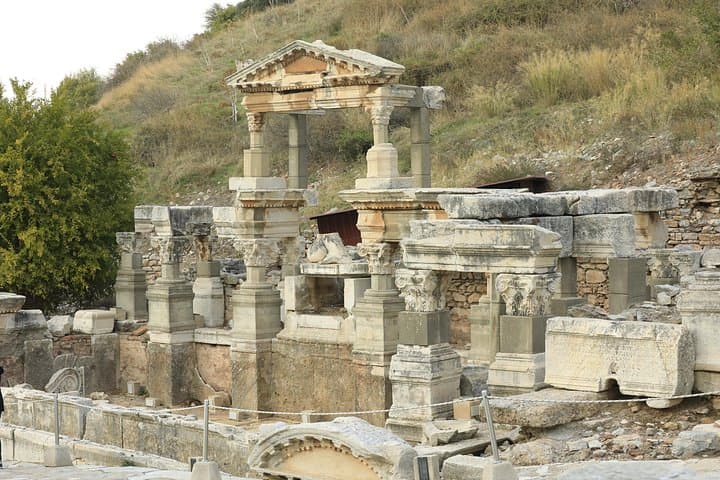
In two compact days the Aegean Odyssey stitches together Roman streets, early Christian centers and coastal towns: walk Hierapolis’s marble avenues and imagine traders filling the agora; trace Laodicea’s later Christian pulse as churches and bath complexes mark a city reborn under Rome; then move west to Ephesus, where the Celsus façade still watches over a theater that once held 25,000.
Geology here is active memory: thermal waters deposit travertine terraces at Pamukkale; the Aegean’s tectonic heritage shaped the fertile plains that drew ancient ports. Culture feels immediate—villagers in stone towns continue crafts the tour includes: a hands-on demonstration of local stone and textile work makes material culture tangible.
Practical guidance: expect a lot of walking on uneven stone and limestone surfaces—bring sturdy shoes with grip and a light rain shell. Temperatures swing; mornings are best for photos and crowds are thinner if you start early. The package includes one hotel night in Kusadasi and lunch both days; optional extras include a thermal spa and short paragliding flights above the terraces.
This itinerary compresses major UNESCO-listed sites into a travel-friendly loop—well suited to travelers who want concentrated history with manageable logistics and a touch of Aegean shoreline charm.
moderate.
2 days.
Moderate fitness: able to walk 2–4 miles across uneven terrain over the course of a day and handle stairs and slopes.
The package includes lunch both days and standard site admission as described; optional extras like Cleopatra’s Pool or paragliding have additional fees.
Yes—Silver and Gold packages include flight connections to Cappadocia; the Bronze option requires independent transfers and excludes some flight links.
Sites include uneven ancient paving and steps; it is not recommended for travelers with serious spinal or mobility limitations—check with the operator about individual accessibility needs.
Domestic flights included typically permit 15 kg checked plus an 8 kg cabin bag—notify the operator in advance if you need extra allowance.
Ephesus and Hierapolis were major urban centers across Hellenistic and Roman eras; Laodicea later gained importance as an early Christian bishopric mentioned in the Book of Revelation.
Pamukkale is a UNESCO World Heritage Site with strict visitor routes to protect fragile travertine; follow boardwalk rules and avoid bathing in prohibited pools to minimize impact.
Turkey Experiences operates guided outdoor trips and adventures with an emphasis on safety, stewardship, and memorable experiences.
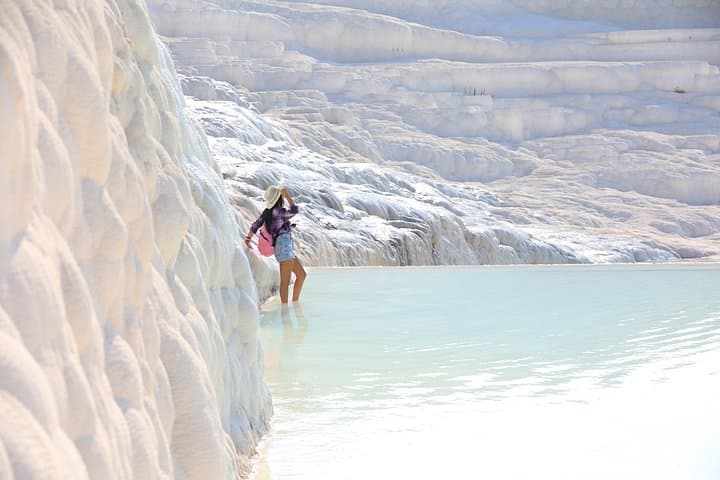
You arrive at the rim of Pamukkale as the hot spring water has already begun its slow, patient work—white calcite curtains trace the slope like frozen waterfalls, daring you to follow their ribbon toward the valley below.
You arrive at the rim of Pamukkale as the hot spring water has already begun its slow, patient work—white calcite curtains trace the slope like frozen waterfalls, daring you to follow their ribbon toward the valley below.
In two compact days the Aegean Odyssey stitches together Roman streets, early Christian centers and coastal towns: walk Hierapolis’s marble avenues and imagine traders filling the agora; trace Laodicea’s later Christian pulse as churches and bath complexes mark a city reborn under Rome; then move west to Ephesus, where the Celsus façade still watches over a theater that once held 25,000.
Geology here is active memory: thermal waters deposit travertine terraces at Pamukkale; the Aegean’s tectonic heritage shaped the fertile plains that drew ancient ports. Culture feels immediate—villagers in stone towns continue crafts the tour includes: a hands-on demonstration of local stone and textile work makes material culture tangible.
Practical guidance: expect a lot of walking on uneven stone and limestone surfaces—bring sturdy shoes with grip and a light rain shell. Temperatures swing; mornings are best for photos and crowds are thinner if you start early. The package includes one hotel night in Kusadasi and lunch both days; optional extras include a thermal spa and short paragliding flights above the terraces.
This itinerary compresses major UNESCO-listed sites into a travel-friendly loop—well suited to travelers who want concentrated history with manageable logistics and a touch of Aegean shoreline charm.