THE ADVENTURE COLLECTIVE® · Independent discovery and booking for outdoor travel

Two days that pair Pamukkale’s otherworldly white terraces with the marble avenues of Ephesus. Ideal for travelers who want concentrated history and landscape with managed logistics and a single overnight in Kusadasi.
Two days that pair Pamukkale’s otherworldly white terraces with the marble avenues of Ephesus. Ideal for travelers who want concentrated history and landscape with managed logistics and a single overnight in Kusadasi.
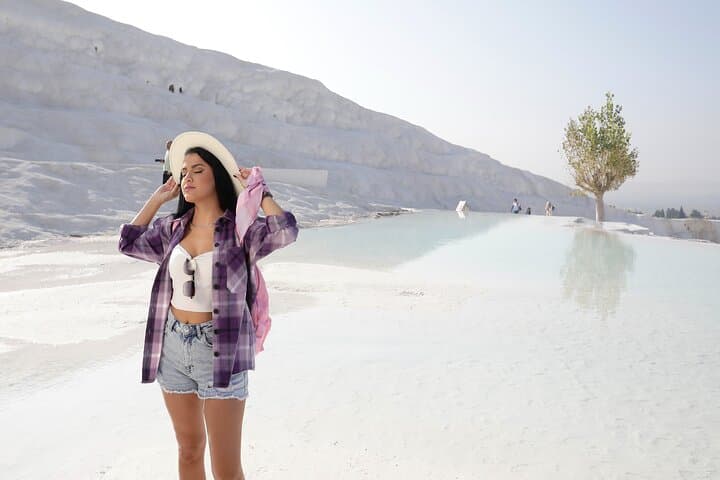
A low sun washes the white travertine in a hard, pearly light as the first group steps onto Pamukkale’s terraces. The warm springs hiss beneath a thin crust of calcite that has been building here for millennia; steam blunts the morning air and the guide’s voice threads between archaeology and geology.
Verified experiences and guided adventures in the surrounding area.
Operated by Turkey Experiences · Pamukkale, Denizli Province
A low sun washes the white travertine in a hard, pearly light as the first group steps onto Pamukkale’s terraces. The warm springs hiss beneath a thin crust of calcite that has been building here for millennia; steam blunts the morning air and the guide’s voice threads between archaeology and geology.
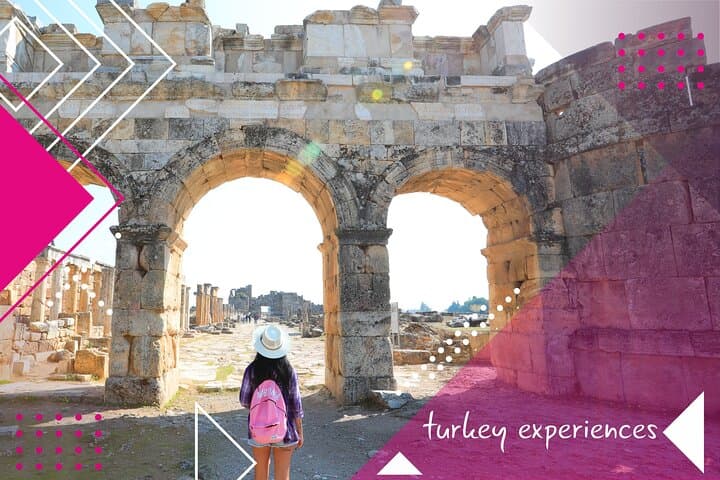
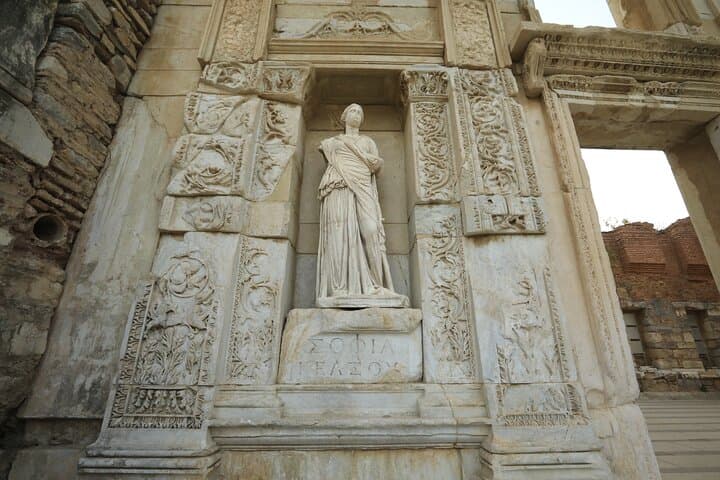
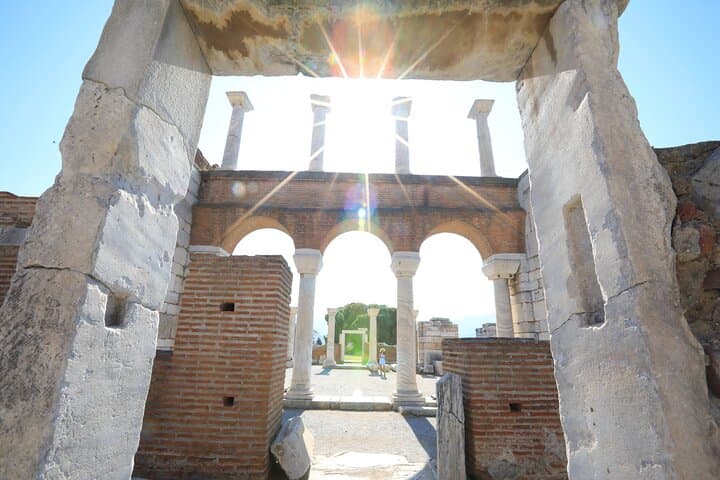
The two-day route pairs two UNESCO stories: Pamukkale’s travertine shelves and the Roman spa city of Hierapolis, then Ephesus—one of the ancient world’s great ports—whose marble streets still slope toward a vanished harbor. Visitors meet a landscape shaped by hot springs depositing calcium carbonate, and by empires that left theaters, baths, libraries, and basilicas. Local craft cooperatives preserve textile and stonework traditions; Kusadasi’s seaside culture offers a contrasting modern edge.
Practically, the experience is brisk: expect several hours of walking on uneven stone, stairs in archaeological sites, and short transfers between sights and a single overnight in Kusadasi. Time your visit for early morning or late afternoon light at Pamukkale to avoid crowds and protect the fragile pools; follow boardwalks and site rules—these terraces erode under careless feet. Pack sturdy shoes, sun protection, and a refillable bottle; modest clothing is advised for religious sites like the House of the Virgin Mary. Hydrate and move at the group's pace—guides keep itineraries tight but allow short, meaningful pauses for photos, a quick dip in thermal pools (optional), and a meal at a local restaurant. For travelers blending natural spectacle with classical ruins, this compact itinerary delivers both history and landscape with practical logistics handled.
moderate.
2 days.
Requires moderate fitness: able to walk 2–4 miles over uneven terrain, climb stairs, and stand during guided explanations.
Swimming in the natural terraces is restricted to protect the formations; paid access is available at the Antique (Cleopatra) Pool for a warm dip.
The tour is semi-private and family-friendly, but it involves uneven surfaces and stair climbing; travelers with mobility limitations should check accessibility options and consider assistance.
The package includes some domestic flights and entrance logistics per booking option—confirm which package (Silver/Gold/Bronze) before booking to verify included flights and transfers.
Expect roughly 1–2 miles of walking across ancient streets with stone surfaces and steps; comfortable shoes and a steady pace are recommended.
Pamukkale’s terraces formed by millennia of mineral-rich springs that supported the Roman spa city of Hierapolis; Ephesus was a major Roman port and early Christian center.
Pamukkale is protected under UNESCO; visitors must follow boardwalks and site rules to prevent erosion and chemical contamination—avoid lotions before pool access and respect signage.
Turkey Experiences operates guided outdoor trips and adventures with an emphasis on safety, stewardship, and memorable experiences.
A low sun washes the white travertine in a hard, pearly light as the first group steps onto Pamukkale’s terraces. The warm springs hiss beneath a thin crust of calcite that has been building here for millennia; steam blunts the morning air and the guide’s voice threads between archaeology and geology.
A low sun washes the white travertine in a hard, pearly light as the first group steps onto Pamukkale’s terraces. The warm springs hiss beneath a thin crust of calcite that has been building here for millennia; steam blunts the morning air and the guide’s voice threads between archaeology and geology.
The two-day route pairs two UNESCO stories: Pamukkale’s travertine shelves and the Roman spa city of Hierapolis, then Ephesus—one of the ancient world’s great ports—whose marble streets still slope toward a vanished harbor. Visitors meet a landscape shaped by hot springs depositing calcium carbonate, and by empires that left theaters, baths, libraries, and basilicas. Local craft cooperatives preserve textile and stonework traditions; Kusadasi’s seaside culture offers a contrasting modern edge.
Practically, the experience is brisk: expect several hours of walking on uneven stone, stairs in archaeological sites, and short transfers between sights and a single overnight in Kusadasi. Time your visit for early morning or late afternoon light at Pamukkale to avoid crowds and protect the fragile pools; follow boardwalks and site rules—these terraces erode under careless feet. Pack sturdy shoes, sun protection, and a refillable bottle; modest clothing is advised for religious sites like the House of the Virgin Mary. Hydrate and move at the group's pace—guides keep itineraries tight but allow short, meaningful pauses for photos, a quick dip in thermal pools (optional), and a meal at a local restaurant. For travelers blending natural spectacle with classical ruins, this compact itinerary delivers both history and landscape with practical logistics handled.