THE ADVENTURE COLLECTIVE® · Independent discovery and booking for outdoor travel

Sail from Paros to Mykonos for a full day of bluewater crossing, cobbled alleys and iconic windmills. This practical guide previews what to see, plan for and pack during the six-hour window on Mykonos.
Sail from Paros to Mykonos for a full day of bluewater crossing, cobbled alleys and iconic windmills. This practical guide previews what to see, plan for and pack during the six-hour window on Mykonos.
You step onto the quay at Naoussa as the ferry yawns and the Aegean opens: sun on steel, the island silhouette slipping aft. The crossing is a simple, sea-scented promise — a short sail across clear water that pushes you toward Mykonos’ whitewashed lanes and the familiar windmill crowns watching the harbor.
Verified experiences and guided adventures in the surrounding area.
Operated by MTM Experiences · Naoussa, Paros
You step onto the quay at Naoussa as the ferry yawns and the Aegean opens: sun on steel, the island silhouette slipping aft. The crossing is a simple, sea-scented promise — a short sail across clear water that pushes you toward Mykonos’ whitewashed lanes and the familiar windmill crowns watching the harbor.
Mykonos town (Chora) evolved from fishing hamlet to a crossroads of Venetian, Ottoman and modern Greek commerce; its narrow alleys still follow older routes cut between stone houses and small churches. Geologically, these islands are folded Cycladic schists and marbles shaped by tides and winds, which give the coastline its sheltered bays and sharp headlands. Culturally, expect a blend: family-run tavernas and seaside cafés coexist with boutique shops and archaeological fragments hinting at Classical-era settlements and nearby Delos’ ancient significance.
Practical guidance: the typical itinerary gives about six hours on Mykonos — enough time to see the windmills, Little Venice and a seaside taverna, or to rent transport for beaches like Agios Sostis or Platis Gialos. Ferries vary by type and sea state; crossings commonly take one to two hours. Bring sturdy walking shoes for cobbled lanes, a sun layer and a daypack. Plan your timing: mid-morning arrivals avoid the hottest sun and most crowded late-afternoon returns.
On busy summer days, watch for crowding at main viewpoints and allow time to return to the port. Respect local rules — many historic lanes are pedestrian-only — and keep a reusable bottle to reduce plastic in this high-traffic marine zone.
easy.
10 hours.
Suitable for travelers of all fitness levels; expect moderate walking on uneven surfaces during free time
Crossings typically take about 1–2 hours depending on vessel type and sea conditions; factor in pickup and transfer times for a full-day schedule.
Yes — most itineraries offer roughly six hours on Mykonos to visit the windmills, Little Venice, museums or nearby beaches.
Shared bus transfers to Naoussa port from selected meeting points are usually included; verify pickup details and be on time at the designated stop.
Yes — vehicle rentals are available but book in advance in high season; allow time to reach rental locations and return to the port for departure.
Mykonos has layers of history from ancient Cycladic settlements to Venetian and Ottoman periods; the town’s compact plan preserves narrow lanes and small chapels from older eras.
High visitor numbers stress water and waste systems; reduce impact by using refillable bottles, following marked paths and avoiding anchoring on seagrass beds when swimming or boating.
MTM Experiences operates guided outdoor trips and adventures with an emphasis on safety, stewardship, and memorable experiences.
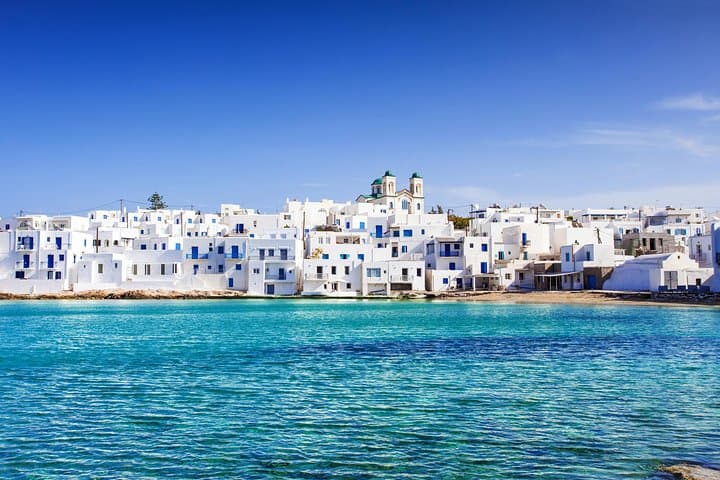
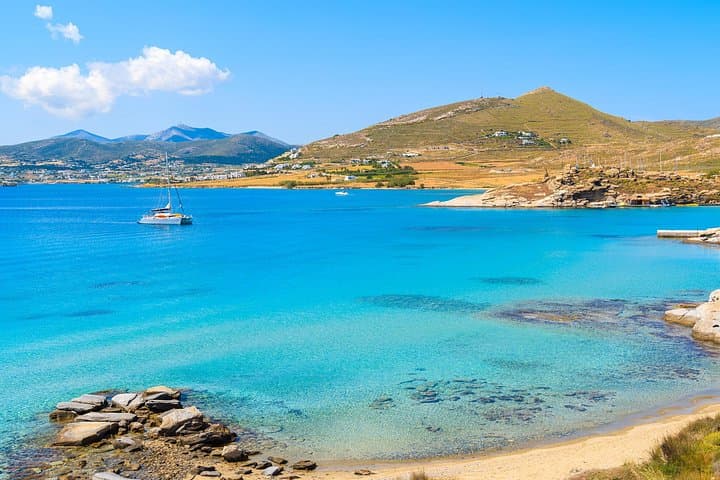
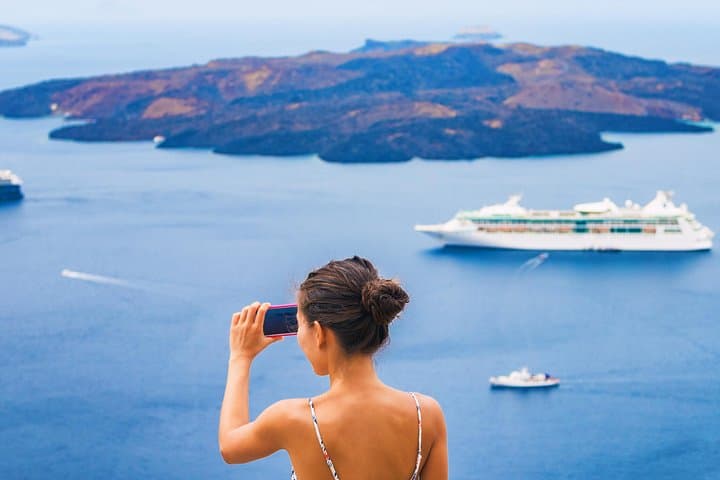
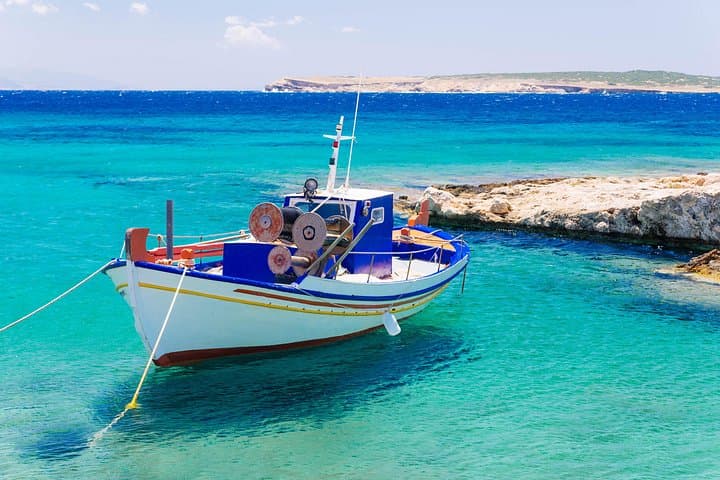
You step onto the quay at Naoussa as the ferry yawns and the Aegean opens: sun on steel, the island silhouette slipping aft. The crossing is a simple, sea-scented promise — a short sail across clear water that pushes you toward Mykonos’ whitewashed lanes and the familiar windmill crowns watching the harbor.
You step onto the quay at Naoussa as the ferry yawns and the Aegean opens: sun on steel, the island silhouette slipping aft. The crossing is a simple, sea-scented promise — a short sail across clear water that pushes you toward Mykonos’ whitewashed lanes and the familiar windmill crowns watching the harbor.
Mykonos town (Chora) evolved from fishing hamlet to a crossroads of Venetian, Ottoman and modern Greek commerce; its narrow alleys still follow older routes cut between stone houses and small churches. Geologically, these islands are folded Cycladic schists and marbles shaped by tides and winds, which give the coastline its sheltered bays and sharp headlands. Culturally, expect a blend: family-run tavernas and seaside cafés coexist with boutique shops and archaeological fragments hinting at Classical-era settlements and nearby Delos’ ancient significance.
Practical guidance: the typical itinerary gives about six hours on Mykonos — enough time to see the windmills, Little Venice and a seaside taverna, or to rent transport for beaches like Agios Sostis or Platis Gialos. Ferries vary by type and sea state; crossings commonly take one to two hours. Bring sturdy walking shoes for cobbled lanes, a sun layer and a daypack. Plan your timing: mid-morning arrivals avoid the hottest sun and most crowded late-afternoon returns.
On busy summer days, watch for crowding at main viewpoints and allow time to return to the port. Respect local rules — many historic lanes are pedestrian-only — and keep a reusable bottle to reduce plastic in this high-traffic marine zone.