THE ADVENTURE COLLECTIVE® · Independent discovery and booking for outdoor travel

Spend a compact day moving from forested canopy walkways to stilted fishing neighborhoods and vibrant art centers. This six-hour guided loop pairs nature at Lekki with hands-on cultural stops and urban tricycle rides.
Spend a compact day moving from forested canopy walkways to stilted fishing neighborhoods and vibrant art centers. This six-hour guided loop pairs nature at Lekki with hands-on cultural stops and urban tricycle rides.
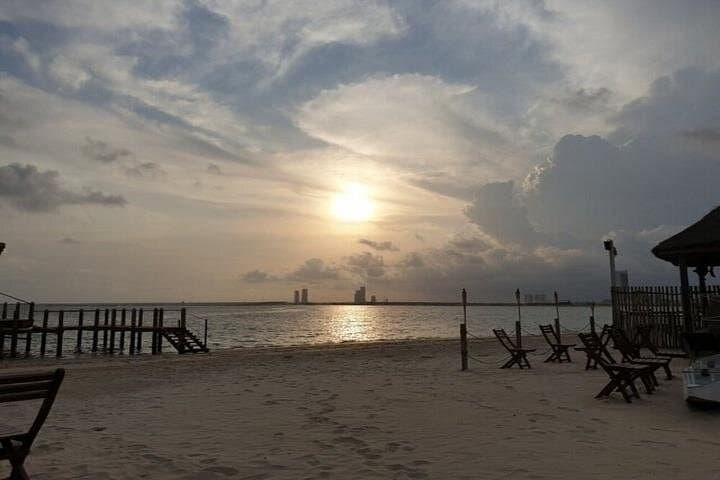
Morning light cuts across Lagos Lagoon as the bus eases away from the city’s congested arteries and the air opens up toward Lekki Conservation Centre. The canopy walkway rises ahead—Africa’s longest—swinging above mangroves while the city hums faintly beyond the trees. You can feel the contrast: urban life pushing to the shoreline, and a quieter green world daring you to step out of the traffic.
Verified experiences and guided adventures in the surrounding area.
Operated by Opatrip.com Nigeria · Lagos, Lagos State
Morning light cuts across Lagos Lagoon as the bus eases away from the city’s congested arteries and the air opens up toward Lekki Conservation Centre. The canopy walkway rises ahead—Africa’s longest—swinging above mangroves while the city hums faintly beyond the trees. You can feel the contrast: urban life pushing to the shoreline, and a quieter green world daring you to step out of the traffic.
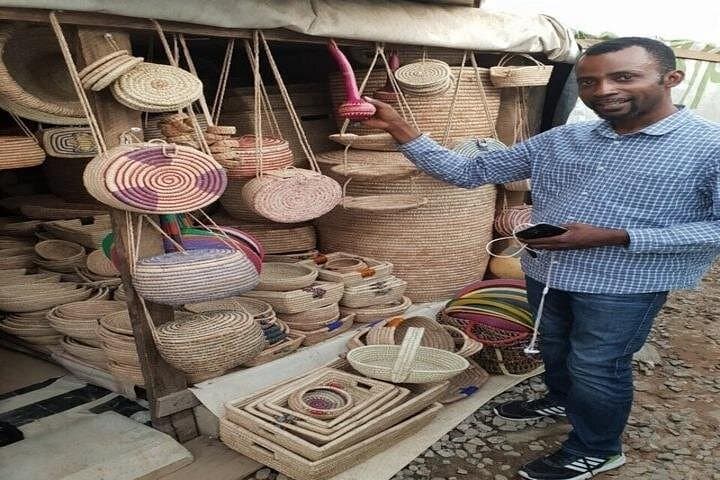
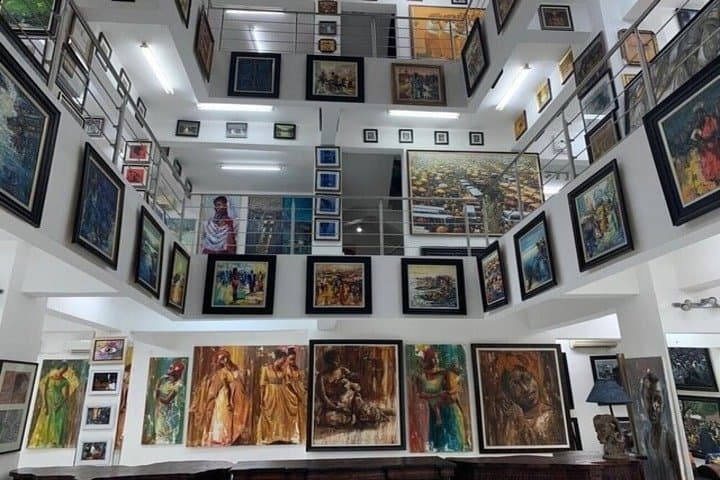
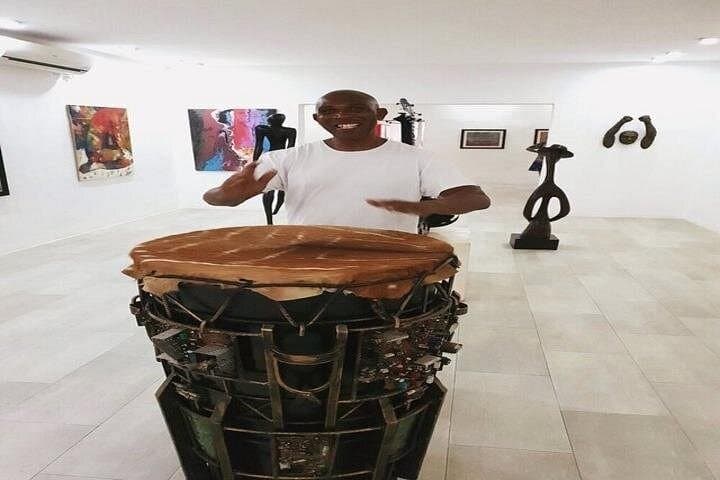
Lagos sits on a coastal plain of barrier islands and lagoons; its history is a braided story of Yoruba kingdoms, Atlantic trade, and rapid urban growth since it served as Nigeria’s capital until 1991. At the Nike Centre for Art and Culture, contemporary and traditional artists keep textile and carving methods alive; the National Museum houses Nok terracotta and Benin bronzes that map centuries of regional craft and belief. Makoko, the stilt village on the lagoon, is living history—homes and markets built over water by generations of fishing families.
On a practical note: the full tour runs about six hours and uses an air-conditioned vehicle between stops. Expect easy walking at curated sites, a short boat ride in Makoko, and a tricycle (keke) spin through busy neighborhoods. The Lekki canopy walk is roughly 400 meters and exposed—bring sun protection and steady footwear. Bottled water is provided, but carry a refillable bottle for the day. Cameras and respectful curiosity are best—ask before photographing residents. Plan for Lagos weather: sudden tropical showers and strong sun are both likely. With a mix of nature, culture, and city rhythm, this tour gives a compact, on-the-ground view of Lagos’ layered identity.
easy.
6 hours.
Suitable for most fitness levels; expect short walks, a boat trip, and brief standing on the canopy walkway.
The Lekki canopy walk has railings and is generally safe for children, but supervision is required and managers may set age/height limits—check with your guide.
Some attractions listed on the itinerary include admission; confirm which sites have entry covered when you book as policies vary by stop.
Handheld cameras are fine; drones are typically restricted in urban and conservation areas—ask the guide before flying any device.
Yes — the tour uses an air-conditioned vehicle for transfers and includes a short boat ride at Makoko and a tricycle segment through local streets.
Lagos evolved from a series of coastal settlements into a major Atlantic port; its art and museums reflect centuries of Yoruba culture and trade with European and African partners.
Lekki Conservation Centre protects remnant mangrove and terrestrial habitat in a rapidly urbanizing region; visitors are encouraged to stick to trails and avoid single-use plastics.
Opatrip.com Nigeria operates guided outdoor trips and adventures with an emphasis on safety, stewardship, and memorable experiences.
Morning light cuts across Lagos Lagoon as the bus eases away from the city’s congested arteries and the air opens up toward Lekki Conservation Centre. The canopy walkway rises ahead—Africa’s longest—swinging above mangroves while the city hums faintly beyond the trees. You can feel the contrast: urban life pushing to the shoreline, and a quieter green world daring you to step out of the traffic.
Morning light cuts across Lagos Lagoon as the bus eases away from the city’s congested arteries and the air opens up toward Lekki Conservation Centre. The canopy walkway rises ahead—Africa’s longest—swinging above mangroves while the city hums faintly beyond the trees. You can feel the contrast: urban life pushing to the shoreline, and a quieter green world daring you to step out of the traffic.
Lagos sits on a coastal plain of barrier islands and lagoons; its history is a braided story of Yoruba kingdoms, Atlantic trade, and rapid urban growth since it served as Nigeria’s capital until 1991. At the Nike Centre for Art and Culture, contemporary and traditional artists keep textile and carving methods alive; the National Museum houses Nok terracotta and Benin bronzes that map centuries of regional craft and belief. Makoko, the stilt village on the lagoon, is living history—homes and markets built over water by generations of fishing families.
On a practical note: the full tour runs about six hours and uses an air-conditioned vehicle between stops. Expect easy walking at curated sites, a short boat ride in Makoko, and a tricycle (keke) spin through busy neighborhoods. The Lekki canopy walk is roughly 400 meters and exposed—bring sun protection and steady footwear. Bottled water is provided, but carry a refillable bottle for the day. Cameras and respectful curiosity are best—ask before photographing residents. Plan for Lagos weather: sudden tropical showers and strong sun are both likely. With a mix of nature, culture, and city rhythm, this tour gives a compact, on-the-ground view of Lagos’ layered identity.