THE ADVENTURE COLLECTIVE® · Independent discovery and booking for outdoor travel

From temple murals and tea plantations to elephant gatherings and coral reefs, this private 11–12 day loop through Sri Lanka’s east and central regions blends cultural landmarks with wildlife and coastal snorkeling. Practical tips included for planning and packing.
From temple murals and tea plantations to elephant gatherings and coral reefs, this private 11–12 day loop through Sri Lanka’s east and central regions blends cultural landmarks with wildlife and coastal snorkeling. Practical tips included for planning and packing.
The salt air in Negombo bites at the back of your throat as the van peels away from the airport, palms leaning like tired sailors toward the western shore. Over the next eleven days the island unfolds in sudden shifts: limestone caves drunken with gold-leaf Buddhas, tea gardens that roll like green ocean swells, and a sandstone fortress that climbs from the earth like a human-made cliff.
Verified experiences and guided adventures in the surrounding area.
Operated by Lakpura LLC · Negombo, Western Province
The salt air in Negombo bites at the back of your throat as the van peels away from the airport, palms leaning like tired sailors toward the western shore. Over the next eleven days the island unfolds in sudden shifts: limestone caves drunken with gold-leaf Buddhas, tea gardens that roll like green ocean swells, and a sandstone fortress that climbs from the earth like a human-made cliff.
This itinerary stitches together Sri Lanka’s layered past. Kandy’s Kandyan dancers and the Temple of the Tooth recall the island’s royal court; Sigiriya’s 5th-century lion-rock preserves royal ambition in stone; Polonnaruwa’s ruined baths and Gal Vihara speak of medieval hydraulic engineering and sculptural sophistication. Geology plays its part: the central highlands are uplifted, cool plateaus of laterite and granite that feed cascading rivers; the northeast coast—Trincomalee and Nilaveli—drops into clear, coral-studded seas.
Culture here is tactile. In Matale spice gardens you’ll smell crushed cardamom and learn why spices shaped trade routes; in a village near Sigiriya, a home-cooked rice-and-curry lunch arrives on woven trays and the rhythm of cooking over wood fire is as informative as any museum placard. Wildlife punctuates the route: the Minneriya reservoir can gather more than a hundred elephants into a single field of trunks and tusks between May and October; Pigeon Island off Nilaveli hums with reef life and hawksbill turtles.
Practicalities thread through the romance. The tour runs in a private vehicle with an English-speaking chauffeur-guide, so daily transfers are long but comfortable—expect several 2–4 hour drives between major stops, and one longer transfer to Trincomalee. Sigiriya involves a steep climb of roughly 1–1.5 hours on metal stairs; Polonnaruwa is best ridden by bike across flat, archaeological grounds. Many temple and park entrances require separate tickets and modest dress; bring a shawl for shoulders and knees when visiting sacred sites.
Weather dictates plans: the east coast is best in the dry months (May–October for whale-watching and elephant gatherings), while the hill country stays cooler and misty year-round. Footwear should balance city walking and uneven temple steps—grippy walking shoes are a good compromise. Hydrate constantly in the lowlands; the sun will press itself into everything.
For travelers who want breadth without backcountry endurance, this loop delivers cultural depth, wildlife viewing, coastal snorkeling, and comfortable logistics. It’s an itinerary that moves at the rhythm of the island—fast enough to see the highlights, slow enough to feel them.
moderate.
11–12 days.
Light-to-moderate fitness: able to manage short steep climbs (Sigiriya), bike tours on flat ruins, and full-day outings.
No—several site entrance fees (Sigiriya, Dambulla, Pigeon Island boat permits, national parks) are paid separately on site or online where available.
Dry-season months from May to October are prime for the Mass Gathering when large numbers congregate around water sources.
Yes—the private vehicle and flexible pacing make it family-friendly, though some climbs and long drives may be tiring for very young children.
Standard travel vaccinations are recommended; carry malaria prophylaxis advice if visiting rural inland areas and use mosquito repellent at dusk.
The chauffeur-guide is English-speaking; Sinhala and Tamil are widely spoken locally—basic English is common in tourist areas.
Yes—waters are typically calm and shallow around the reef, making it suitable for confident beginners and guided snorkel trips.
The route links Sri Lanka’s capital-era sites—Sigiriya (5th century), Polonnaruwa (10th–13th centuries) and Kandy’s later royal court—showing the island’s shifting political centers.
Pigeon Island’s corals are fragile—use reef-safe sunscreen and avoid touching coral; Minneriya manages safari numbers seasonally to limit disturbance to elephants.
Lakpura LLC operates guided outdoor trips and adventures with an emphasis on safety, stewardship, and memorable experiences.
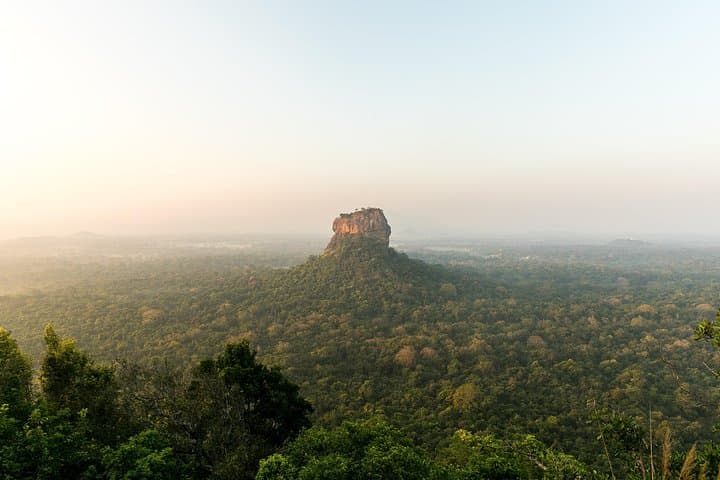
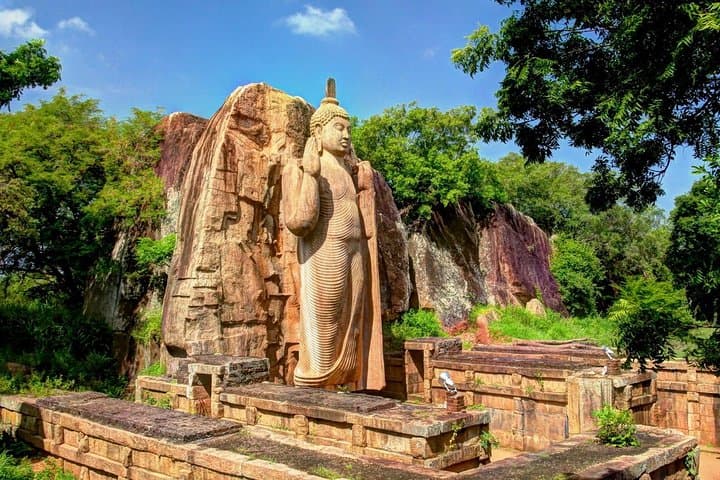
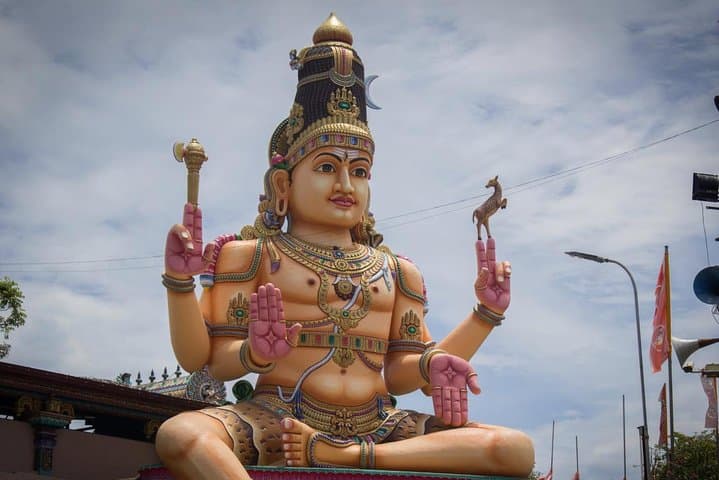
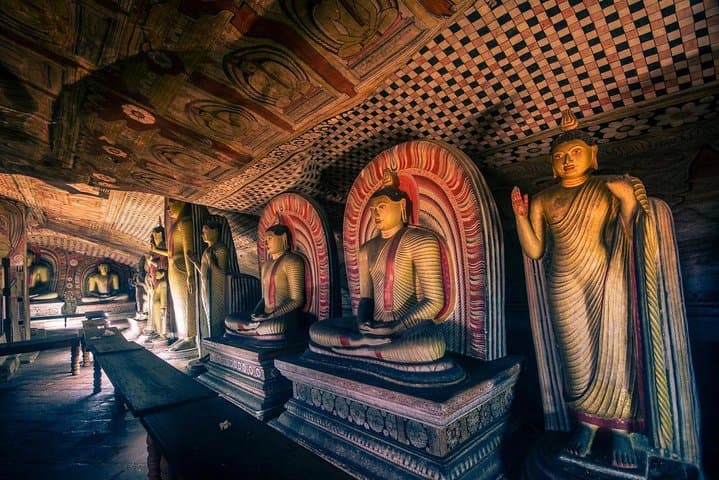
The salt air in Negombo bites at the back of your throat as the van peels away from the airport, palms leaning like tired sailors toward the western shore. Over the next eleven days the island unfolds in sudden shifts: limestone caves drunken with gold-leaf Buddhas, tea gardens that roll like green ocean swells, and a sandstone fortress that climbs from the earth like a human-made cliff.
The salt air in Negombo bites at the back of your throat as the van peels away from the airport, palms leaning like tired sailors toward the western shore. Over the next eleven days the island unfolds in sudden shifts: limestone caves drunken with gold-leaf Buddhas, tea gardens that roll like green ocean swells, and a sandstone fortress that climbs from the earth like a human-made cliff.
This itinerary stitches together Sri Lanka’s layered past. Kandy’s Kandyan dancers and the Temple of the Tooth recall the island’s royal court; Sigiriya’s 5th-century lion-rock preserves royal ambition in stone; Polonnaruwa’s ruined baths and Gal Vihara speak of medieval hydraulic engineering and sculptural sophistication. Geology plays its part: the central highlands are uplifted, cool plateaus of laterite and granite that feed cascading rivers; the northeast coast—Trincomalee and Nilaveli—drops into clear, coral-studded seas.
Culture here is tactile. In Matale spice gardens you’ll smell crushed cardamom and learn why spices shaped trade routes; in a village near Sigiriya, a home-cooked rice-and-curry lunch arrives on woven trays and the rhythm of cooking over wood fire is as informative as any museum placard. Wildlife punctuates the route: the Minneriya reservoir can gather more than a hundred elephants into a single field of trunks and tusks between May and October; Pigeon Island off Nilaveli hums with reef life and hawksbill turtles.
Practicalities thread through the romance. The tour runs in a private vehicle with an English-speaking chauffeur-guide, so daily transfers are long but comfortable—expect several 2–4 hour drives between major stops, and one longer transfer to Trincomalee. Sigiriya involves a steep climb of roughly 1–1.5 hours on metal stairs; Polonnaruwa is best ridden by bike across flat, archaeological grounds. Many temple and park entrances require separate tickets and modest dress; bring a shawl for shoulders and knees when visiting sacred sites.
Weather dictates plans: the east coast is best in the dry months (May–October for whale-watching and elephant gatherings), while the hill country stays cooler and misty year-round. Footwear should balance city walking and uneven temple steps—grippy walking shoes are a good compromise. Hydrate constantly in the lowlands; the sun will press itself into everything.
For travelers who want breadth without backcountry endurance, this loop delivers cultural depth, wildlife viewing, coastal snorkeling, and comfortable logistics. It’s an itinerary that moves at the rhythm of the island—fast enough to see the highlights, slow enough to feel them.