THE ADVENTURE COLLECTIVE® · Independent discovery and booking for outdoor travel

Take an advanced snorkel into New Zealand’s first marine reserve at Goat Island. Learn freediving techniques, duck dives and get up close to blue cod, rays and octopus while guides manage safety and local ecology.
Take an advanced snorkel into New Zealand’s first marine reserve at Goat Island. Learn freediving techniques, duck dives and get up close to blue cod, rays and octopus while guides manage safety and local ecology.
You step off the rocky point and the water takes on a cool, green clarity that seems to breathe. Guides in black wetsuits move with slow efficiency; the ocean around Goat Island answers with a current that teases and a reef that holds crowds of fish like a living wall.
Verified experiences and guided adventures in the surrounding area.
Operated by Goat Island Dive & Snorkel · Leigh, Auckland
You step off the rocky point and the water takes on a cool, green clarity that seems to breathe. Guides in black wetsuits move with slow efficiency; the ocean around Goat Island answers with a current that teases and a reef that holds crowds of fish like a living wall.
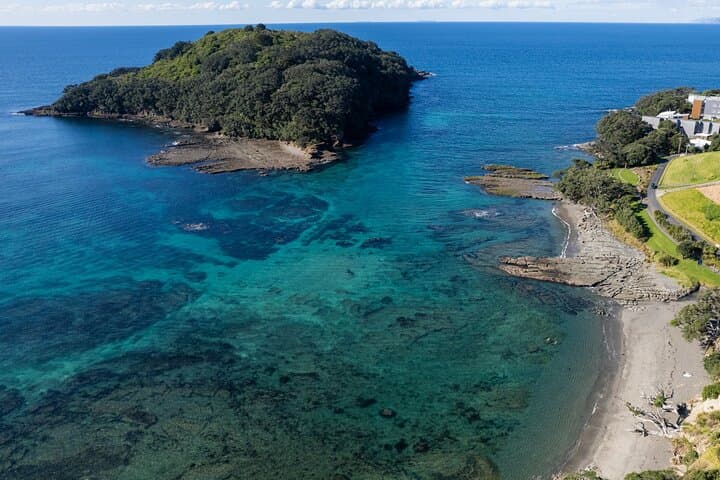
This is Cape Rodney–Okakari Point, New Zealand’s first marine reserve, created in 1975 to protect kelp forests and reef life. The shore is volcanic sandstone and ancient marine terraces, and the nearby Matheson Bay rewilding work speaks to ongoing restoration of coastal habitats. Local Tāngata Whenua and fishing communities shaped the reserve’s rules; today it’s a living classroom for marine ecology.
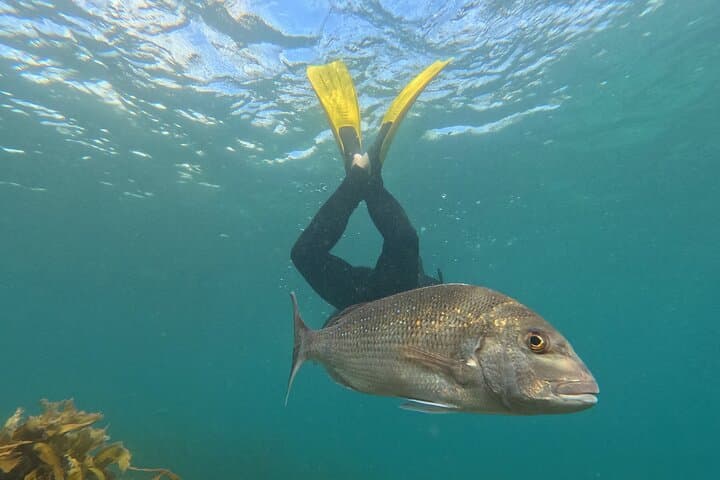
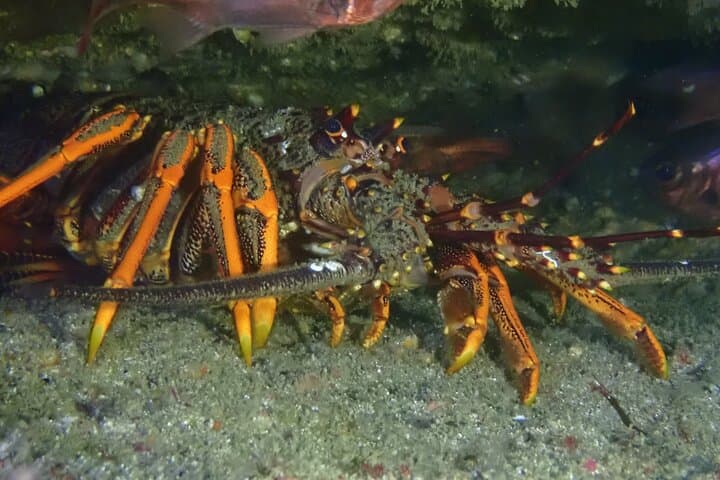
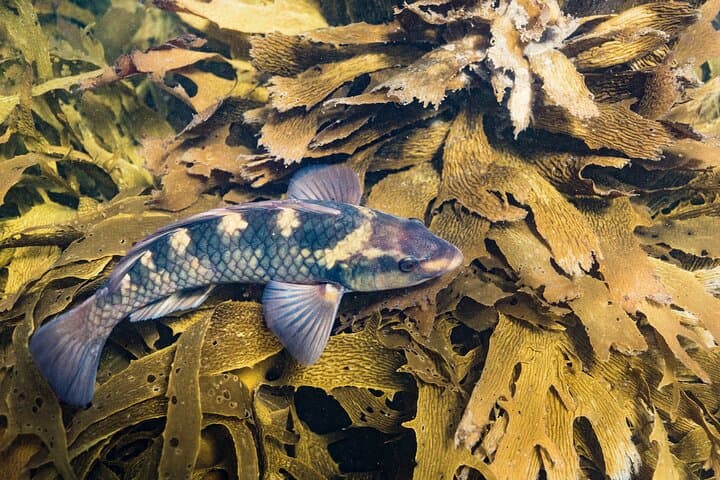
On the Advanced Snorkel Tour participants rehearse duck dives and weighted descents to study blue maomao, snapper, eagle and stingrays, blue cod and octopus. Dolphins and occasionally orca can arrive unannounced, playful and curious, while crayfish tuck beneath ledges. Guides balance safety with close observation; no-touch rules keep the reserve healthy and wildlife confident.
Practicalities: expect 2.5 hours total, a thorough safety briefing, and gear provided (wetsuit, mask, snorkel, fins, weightbelt). Minimum age 12 and prior ocean snorkeling experience is required; moderate fitness and comfort in currents are important. Best windows are on slack tide and calm seas—book mornings for steadier conditions and clearer visibility. Bring a dry bag, reef-safe sunscreen, and a camera in a waterproof case. After the tour you can keep using the supplied gear to explore shore pools—another way the reserve rewards a patient eye.
moderate.
2–3 hours.
Moderate cardiovascular fitness and comfort swimming in open ocean required; should be able to snorkel in currents and perform shallow freedives.
You should have prior ocean snorkeling experience and be comfortable performing duck dives; instructors will teach weighted techniques but basic freediving ability is expected.
Tours are cancelled for poor sea conditions; the operator offers a full refund if cancelled at least 24 hours before departure or when conditions are unsafe.
Yes—all snorkeling equipment and a weightbelt (wetsuit, mask, snorkel, fins) are included and can be used for the rest of the day after the tour.
Minimum age is 12; participants should be in moderate physical condition and able to follow safety instructions in English.
Cape Rodney–Okakari Point Marine Reserve was established in 1975 as New Zealand’s first marine reserve, protecting nearshore kelp and reef habitats.
The reserve’s no-take rules have allowed fish populations and kelp forests to rebound; visitors are asked not to touch, feed or remove marine life and to use reef-safe sunscreen.
Goat Island Dive & Snorkel operates guided outdoor trips and adventures with an emphasis on safety, stewardship, and memorable experiences.
You step off the rocky point and the water takes on a cool, green clarity that seems to breathe. Guides in black wetsuits move with slow efficiency; the ocean around Goat Island answers with a current that teases and a reef that holds crowds of fish like a living wall.
You step off the rocky point and the water takes on a cool, green clarity that seems to breathe. Guides in black wetsuits move with slow efficiency; the ocean around Goat Island answers with a current that teases and a reef that holds crowds of fish like a living wall.
This is Cape Rodney–Okakari Point, New Zealand’s first marine reserve, created in 1975 to protect kelp forests and reef life. The shore is volcanic sandstone and ancient marine terraces, and the nearby Matheson Bay rewilding work speaks to ongoing restoration of coastal habitats. Local Tāngata Whenua and fishing communities shaped the reserve’s rules; today it’s a living classroom for marine ecology.
On the Advanced Snorkel Tour participants rehearse duck dives and weighted descents to study blue maomao, snapper, eagle and stingrays, blue cod and octopus. Dolphins and occasionally orca can arrive unannounced, playful and curious, while crayfish tuck beneath ledges. Guides balance safety with close observation; no-touch rules keep the reserve healthy and wildlife confident.
Practicalities: expect 2.5 hours total, a thorough safety briefing, and gear provided (wetsuit, mask, snorkel, fins, weightbelt). Minimum age 12 and prior ocean snorkeling experience is required; moderate fitness and comfort in currents are important. Best windows are on slack tide and calm seas—book mornings for steadier conditions and clearer visibility. Bring a dry bag, reef-safe sunscreen, and a camera in a waterproof case. After the tour you can keep using the supplied gear to explore shore pools—another way the reserve rewards a patient eye.