THE ADVENTURE COLLECTIVE® · Independent discovery and booking for outdoor travel

Advance your scuba skills in the Red Sea with a focused 3-day Advanced Open Water Diver course based in Sharm el Sheikh. Complete five open-water dives across two instruction days after a pre-course orientation while learning deep, navigation, and specialty techniques.
Advance your scuba skills in the Red Sea with a focused 3-day Advanced Open Water Diver course based in Sharm el Sheikh. Complete five open-water dives across two instruction days after a pre-course orientation while learning deep, navigation, and specialty techniques.
You step off a small dive boat as sunlight fingers through the Red Sea, the water pulling at your fins and the reef below seeming to breathe. Coral faces slope away into blue walls, currents nudging you toward deeper gardens where lionfish patrol and turtles drift like slow ships. This is Sharm el Sheikh—an arena for divers who want to expand range, depth, and confidence.
Verified experiences and guided adventures in the surrounding area.
Operated by Reef Oasis Dive Club · Sharm el Sheikh, South Sinai
You step off a small dive boat as sunlight fingers through the Red Sea, the water pulling at your fins and the reef below seeming to breathe. Coral faces slope away into blue walls, currents nudging you toward deeper gardens where lionfish patrol and turtles drift like slow ships. This is Sharm el Sheikh—an arena for divers who want to expand range, depth, and confidence.
The Sinai coastline is young in geological terms: coral growth atop a volcanic basement sculpted by tides and tectonics. Local fishermen and Bedouin communities have long read the sea’s moods here, and modern dive operators built their skills around those rhythms. Nearby Ras Mohammed and Tiran Island are regional references for topography and biodiversity, with protected zones and strict no-touch rules.
The course structure is pragmatic: one orientation-day followed by two days of instruction and five open-water dives focusing on deep diving, navigation, and specialty skills. Equipment is provided; insurance and certification fees are typically extra. Expect briefings on local currents, surface-signal procedures, and shallow-decompression awareness.
Prepare practically: hydrate and rest before dives, hone buoyancy to protect fragile coral, and bring a dive computer or rent one. Medical constraints—pregnancy, serious heart or spinal issues—exclude participation. The training widens your access to the Red Sea’s remarkable seascapes and leaves you better equipped to read waves, currents, and the life that calls them home.
moderate.
3 days (1 day orientation + 2 days instruction; ~5 dives).
Moderate fitness: comfortable with repeated surface swims, handling equipment, and short boat transfers.
Yes—this is an advanced course that requires a recognized Open Water certification or equivalent prior training.
The course includes five open-water dives completed over two days, after an orientation session the day before.
Basic scuba equipment is usually included, but insurance and official certification fees are commonly extra—confirm with the operator.
Participants with serious heart conditions, recent spinal injuries, or who are pregnant are advised not to dive; a medical declaration is required.
The Red Sea trade routes and local Bedouin communities shaped coastal life; modern dive culture here grew in the 20th century as tourism and marine research expanded.
Many dive sites fall under marine protected areas like Ras Mohammed; operators emphasize no-touch policies, reef-safe sunscreens, and proper buoyancy to reduce impacts.
Reef Oasis Dive Club operates guided outdoor trips and adventures with an emphasis on safety, stewardship, and memorable experiences.
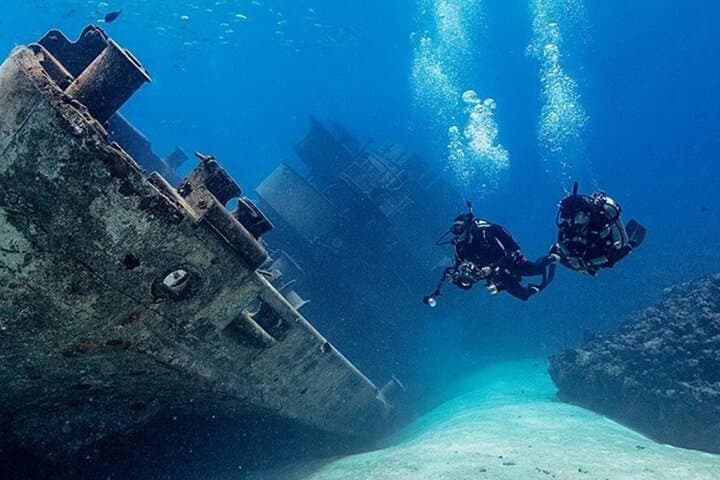
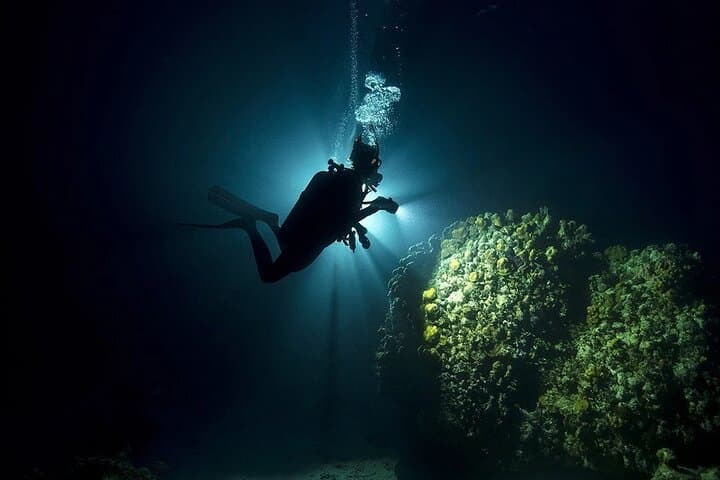
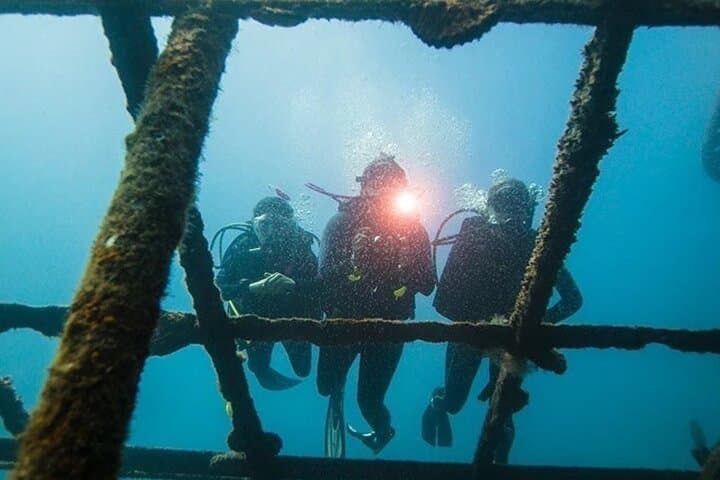
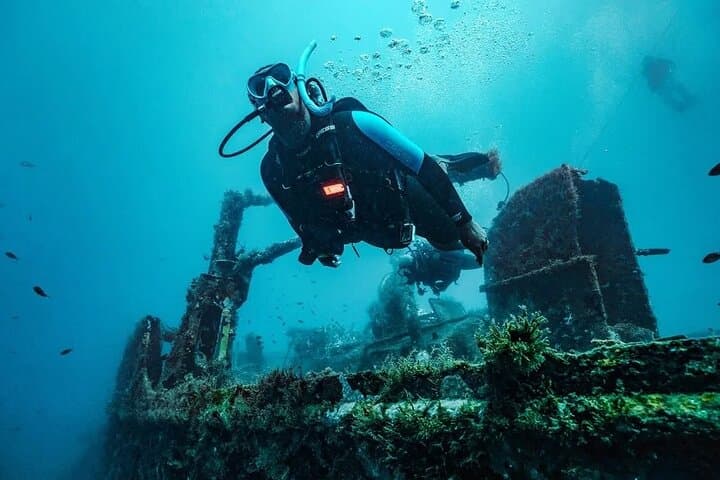
You step off a small dive boat as sunlight fingers through the Red Sea, the water pulling at your fins and the reef below seeming to breathe. Coral faces slope away into blue walls, currents nudging you toward deeper gardens where lionfish patrol and turtles drift like slow ships. This is Sharm el Sheikh—an arena for divers who want to expand range, depth, and confidence.
You step off a small dive boat as sunlight fingers through the Red Sea, the water pulling at your fins and the reef below seeming to breathe. Coral faces slope away into blue walls, currents nudging you toward deeper gardens where lionfish patrol and turtles drift like slow ships. This is Sharm el Sheikh—an arena for divers who want to expand range, depth, and confidence.
The Sinai coastline is young in geological terms: coral growth atop a volcanic basement sculpted by tides and tectonics. Local fishermen and Bedouin communities have long read the sea’s moods here, and modern dive operators built their skills around those rhythms. Nearby Ras Mohammed and Tiran Island are regional references for topography and biodiversity, with protected zones and strict no-touch rules.
The course structure is pragmatic: one orientation-day followed by two days of instruction and five open-water dives focusing on deep diving, navigation, and specialty skills. Equipment is provided; insurance and certification fees are typically extra. Expect briefings on local currents, surface-signal procedures, and shallow-decompression awareness.
Prepare practically: hydrate and rest before dives, hone buoyancy to protect fragile coral, and bring a dive computer or rent one. Medical constraints—pregnancy, serious heart or spinal issues—exclude participation. The training widens your access to the Red Sea’s remarkable seascapes and leaves you better equipped to read waves, currents, and the life that calls them home.