THE ADVENTURE COLLECTIVE® · Independent discovery and booking for outdoor travel

Gain confidence and reach new depths with an Advanced Open Water course around Auckland. Learn deep, drift and wreck techniques while guided through volcanic reefs and historic wrecks.
Gain confidence and reach new depths with an Advanced Open Water course around Auckland. Learn deep, drift and wreck techniques while guided through volcanic reefs and historic wrecks.
You push off the boat and the sea immediately takes shape—cool, blue, and restless. A gentle current tugs at your fins as you descend; visibility opens into a world of kelp gardens, barnacled pylons and the ghostly silhouette of a wreck reclining on the seafloor. In Auckland the water doesn’t just hold life, it tests your skills and rewards careful breathing.
Verified experiences and guided adventures in the surrounding area.
Operated by New Zealand Diving Ltd · Auckland, Auckland
You push off the boat and the sea immediately takes shape—cool, blue, and restless. A gentle current tugs at your fins as you descend; visibility opens into a world of kelp gardens, barnacled pylons and the ghostly silhouette of a wreck reclining on the seafloor. In Auckland the water doesn’t just hold life, it tests your skills and rewards careful breathing.
Auckland sits on a volcanic field where lava once shaped shorelines; those same flows and sheltered coves now host pinnacles, reefs and WWII wrecks popular with divers. The region’s Māori maritime heritage runs deep, and local skippers often point out traditional fishing areas and island landmarks before a dive. Geology meets culture underwater—urchin-rich reefs cling to basalt outcrops while tactile sponges drape historical iron and timber.
The Advanced Open Water Course builds on basic certification with four specialty dives—commonly Deep, Drift, Wreck, Buoyancy, Navigation or Night—designed to broaden depth limits, situational awareness and confidence in variable conditions. Expect in-water training, skills drills, guided site dives and elearning set-up; equipment use is usually included but personal fit and a dive computer are strongly recommended.
Practical notes: minimum age is 12, show your Open Water certification, complete a health declaration (some conditions require a doctor’s sign-off), and avoid flying after diving. Plan for changing weather and variable currents; schedule additional refresher dives if it’s been a while since your last wet exit. With clear planning and respect for the sea’s moods, this course turns curiosity into capability and opens more of New Zealand’s underwater playground.
moderate.
4 days.
Moderate fitness: comfortable swimming and carrying scuba gear on deck; ability to perform basic rescue responses is helpful.
You must hold an Open Water certification, be at least 12 years old, and complete the medical/declaration form; some health conditions require physician clearance.
Typical delivery is around four days including shore/boat dives and theory; schedule may vary with weather and available daylight.
The course includes four specialty dives—popular choices are Deep, Drift, Wreck, Navigation, Buoyancy and Night—check with the operator which are available locally.
No—don’t fly within 24–48 hours after completing diving; if you plan flights soon after, discuss conservative surface intervals with your instructor.
Many local wrecks date to early 20th-century coastal shipping; Auckland’s islands were long used by Māori for seasonal fishing and travel.
Operators follow NZ dive codes promoting no-touch policies and baiting restrictions; avoid disturbing fragile sponge and kelp communities and pack out any trash.
New Zealand Diving Ltd operates guided outdoor trips and adventures with an emphasis on safety, stewardship, and memorable experiences.
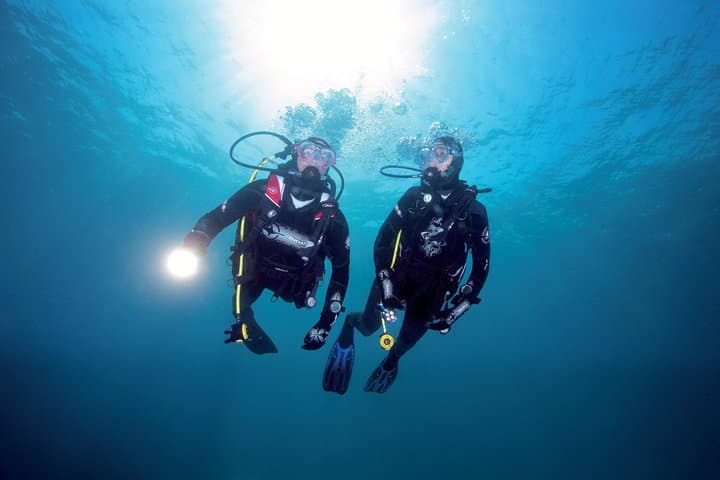
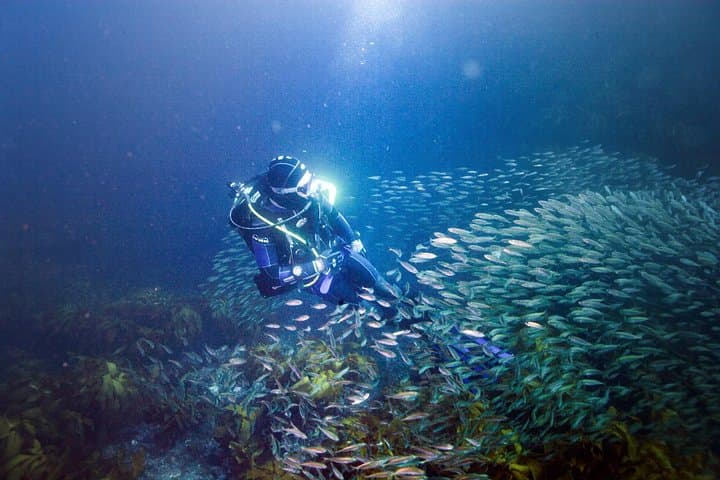
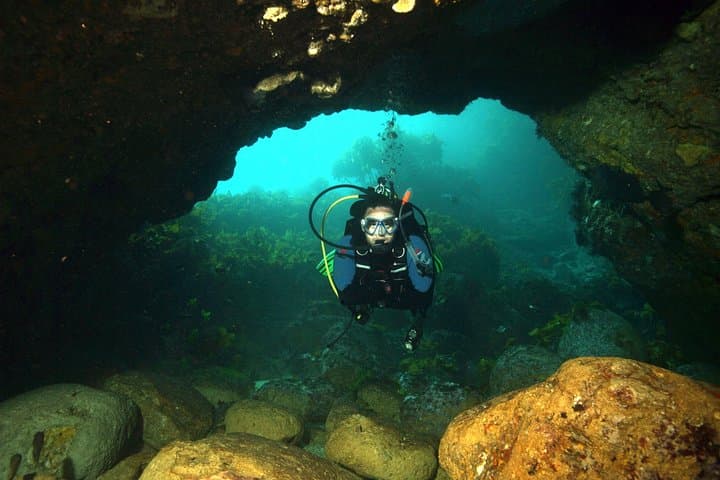
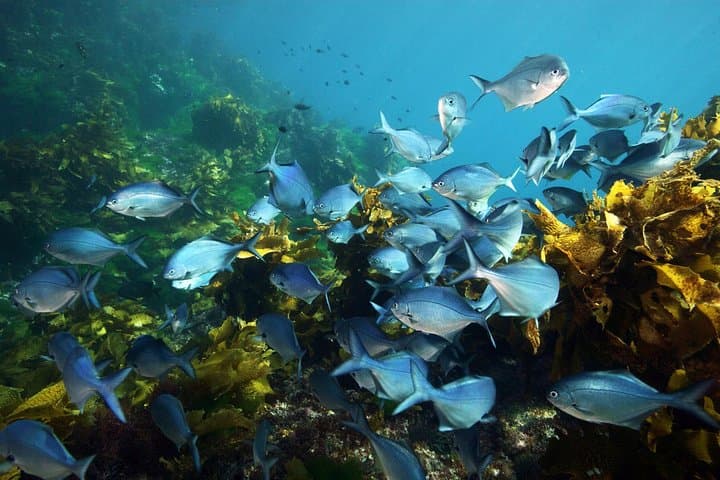
You push off the boat and the sea immediately takes shape—cool, blue, and restless. A gentle current tugs at your fins as you descend; visibility opens into a world of kelp gardens, barnacled pylons and the ghostly silhouette of a wreck reclining on the seafloor. In Auckland the water doesn’t just hold life, it tests your skills and rewards careful breathing.
You push off the boat and the sea immediately takes shape—cool, blue, and restless. A gentle current tugs at your fins as you descend; visibility opens into a world of kelp gardens, barnacled pylons and the ghostly silhouette of a wreck reclining on the seafloor. In Auckland the water doesn’t just hold life, it tests your skills and rewards careful breathing.
Auckland sits on a volcanic field where lava once shaped shorelines; those same flows and sheltered coves now host pinnacles, reefs and WWII wrecks popular with divers. The region’s Māori maritime heritage runs deep, and local skippers often point out traditional fishing areas and island landmarks before a dive. Geology meets culture underwater—urchin-rich reefs cling to basalt outcrops while tactile sponges drape historical iron and timber.
The Advanced Open Water Course builds on basic certification with four specialty dives—commonly Deep, Drift, Wreck, Buoyancy, Navigation or Night—designed to broaden depth limits, situational awareness and confidence in variable conditions. Expect in-water training, skills drills, guided site dives and elearning set-up; equipment use is usually included but personal fit and a dive computer are strongly recommended.
Practical notes: minimum age is 12, show your Open Water certification, complete a health declaration (some conditions require a doctor’s sign-off), and avoid flying after diving. Plan for changing weather and variable currents; schedule additional refresher dives if it’s been a while since your last wet exit. With clear planning and respect for the sea’s moods, this course turns curiosity into capability and opens more of New Zealand’s underwater playground.