THE ADVENTURE COLLECTIVE® · Independent discovery and booking for outdoor travel

Take your Open Water certification to the next level with five specialty dives around the Catalina Islands. Expect deep and navigation training, boat transfers from Tamarindo, and hands-on instruction in lively Pacific reef habitats.
Take your Open Water certification to the next level with five specialty dives around the Catalina Islands. Expect deep and navigation training, boat transfers from Tamarindo, and hands-on instruction in lively Pacific reef habitats.
Sunlight slices the Pacific surface as the dive boat eases away from Tamarindo’s harbor; salt air and engine thrum set the pace while the shoreline shrinks into a band of palms and red earth. Within an hour you’ll be into blue water, descending toward rock pinnacles where current lines and reef ledges draw life in. This Advanced Open Water course focuses on five specialty dives—always including Deep and Navigation—and is staged from boat departures that serve the Catalina Islands and nearby reef systems.
Verified experiences and guided adventures in the surrounding area.
Operated by Tamarindo Diving · Tamarindo, Guanacaste
Sunlight slices the Pacific surface as the dive boat eases away from Tamarindo’s harbor; salt air and engine thrum set the pace while the shoreline shrinks into a band of palms and red earth. Within an hour you’ll be into blue water, descending toward rock pinnacles where current lines and reef ledges draw life in. This Advanced Open Water course focuses on five specialty dives—always including Deep and Navigation—and is staged from boat departures that serve the Catalina Islands and nearby reef systems.
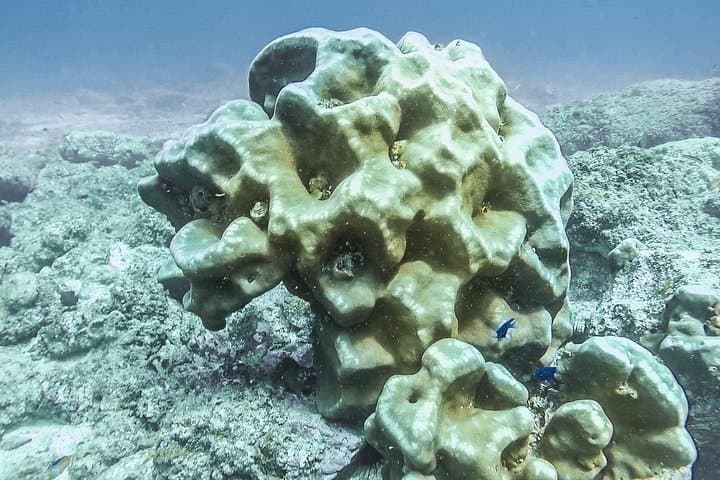
The Guanacaste coast has long been a working maritime edge: small fishing communities, reef foraging, and a slow shift to sport diving in recent decades. Geologically the islands are rugged volcanic outcrops scoured by currents and colonized by hard and soft corals; that contrast of stone and growth is what creates the drift corridors pelagics favor. Culturally, Tamarindo blends surf-town practicality with Costa Rican pura vida friendliness; local captains and instructors carry generations of coastal knowledge.
Practically: expect five dives spread across multiple outings (operators schedule depending on weather), guided briefings, and instructor-led skill reviews. Equipment is included, but bring a personal mask and logbook. Pay attention to surface-interval rules and the ‘no diving within 18 hours of flying’ guideline. Good buoyancy, basic navigation, and comfort with deeper descents are required. Hydrate, protect skin with reef‑safe sunscreen, and plan for boat transfers: fins, sun, and currents will shape your day. For divers ready to push skills beyond Open Water, this course delivers structured training and direct access to one of Guanacaste’s most productive reef systems.
challenging.
3 days (course format) — individual boat days ~5 hours.
Should be comfortable swimming, able to carry gear and manage ladder/steps on a boat; decent cardiovascular fitness for deeper dives.
Yes—operators require evidence of an Open Water certification prior to participating and will ask to see your dive log or card.
The course includes five specialty dives; operators typically distribute these over multiple days with 2–3 dives per day depending on weather and scheduling.
Expect water temperatures around 26–29°C (79–84°F) and visibility commonly from 15–30 meters, though conditions vary by season and swell.
All necessary diving equipment is included and many operators offer pickup/drop-off for Tamarindo and Langosta areas—confirm at booking.
The Guanacaste shoreline developed from small fishing and agricultural communities; sport diving expanded here in the late 20th century as boats and guides mapped the offshore pinnacles.
Local operators emphasize reef‑safe practices—avoid touching coral, use reef‑safe sunscreen, and respect marine park rules to protect fragile habitats.
Tamarindo Diving operates guided outdoor trips and adventures with an emphasis on safety, stewardship, and memorable experiences.
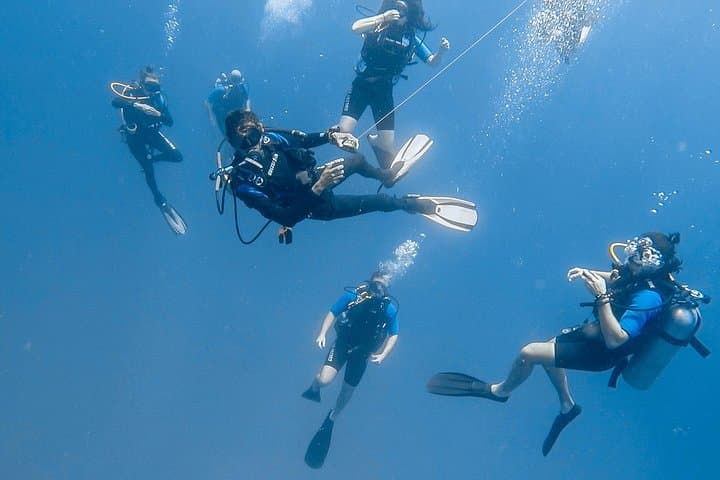
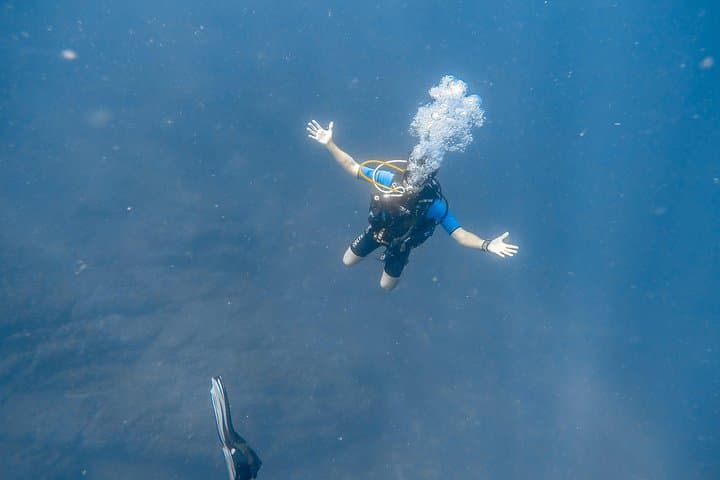
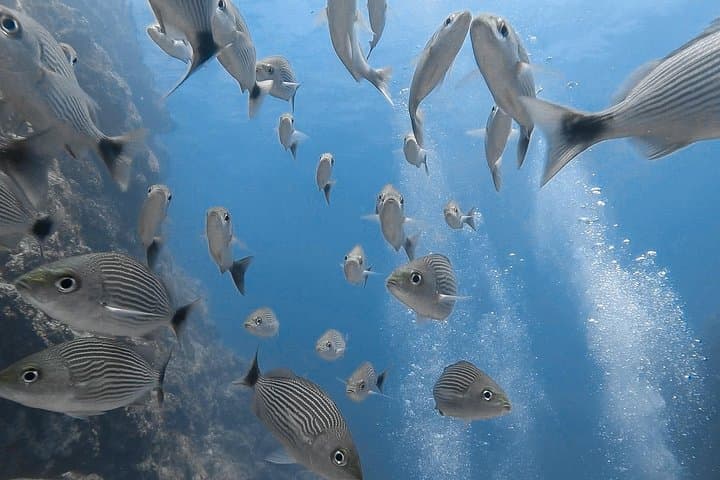
Sunlight slices the Pacific surface as the dive boat eases away from Tamarindo’s harbor; salt air and engine thrum set the pace while the shoreline shrinks into a band of palms and red earth. Within an hour you’ll be into blue water, descending toward rock pinnacles where current lines and reef ledges draw life in. This Advanced Open Water course focuses on five specialty dives—always including Deep and Navigation—and is staged from boat departures that serve the Catalina Islands and nearby reef systems.
Sunlight slices the Pacific surface as the dive boat eases away from Tamarindo’s harbor; salt air and engine thrum set the pace while the shoreline shrinks into a band of palms and red earth. Within an hour you’ll be into blue water, descending toward rock pinnacles where current lines and reef ledges draw life in. This Advanced Open Water course focuses on five specialty dives—always including Deep and Navigation—and is staged from boat departures that serve the Catalina Islands and nearby reef systems.
The Guanacaste coast has long been a working maritime edge: small fishing communities, reef foraging, and a slow shift to sport diving in recent decades. Geologically the islands are rugged volcanic outcrops scoured by currents and colonized by hard and soft corals; that contrast of stone and growth is what creates the drift corridors pelagics favor. Culturally, Tamarindo blends surf-town practicality with Costa Rican pura vida friendliness; local captains and instructors carry generations of coastal knowledge.
Practically: expect five dives spread across multiple outings (operators schedule depending on weather), guided briefings, and instructor-led skill reviews. Equipment is included, but bring a personal mask and logbook. Pay attention to surface-interval rules and the ‘no diving within 18 hours of flying’ guideline. Good buoyancy, basic navigation, and comfort with deeper descents are required. Hydrate, protect skin with reef‑safe sunscreen, and plan for boat transfers: fins, sun, and currents will shape your day. For divers ready to push skills beyond Open Water, this course delivers structured training and direct access to one of Guanacaste’s most productive reef systems.