THE ADVENTURE COLLECTIVE® · Independent discovery and booking for outdoor travel

Walk the French Quarter after dark on an adults-only, uncensored tour that layers voodoo, vampires, pirates, and real-life horror. Small groups, local practitioners as guides, and a stop for drinks make this two-hour experience intimate, explicit, and historically grounded.
Walk the French Quarter after dark on an adults-only, uncensored tour that layers voodoo, vampires, pirates, and real-life horror. Small groups, local practitioners as guides, and a stop for drinks make this two-hour experience intimate, explicit, and historically grounded.
The French Quarter at night is a city that insists on being felt: the air humid enough to press a film of sweat on your skin, iron balconies casting webbed shadows, and the click of shoes that sounds louder than usual when a tour guide decides the next story should be heard in a whisper.
Verified experiences and guided adventures in the surrounding area.
Operated by Wicked History Tours · New Orleans, Louisiana
The French Quarter at night is a city that insists on being felt: the air humid enough to press a film of sweat on your skin, iron balconies casting webbed shadows, and the click of shoes that sounds louder than usual when a tour guide decides the next story should be heard in a whisper.
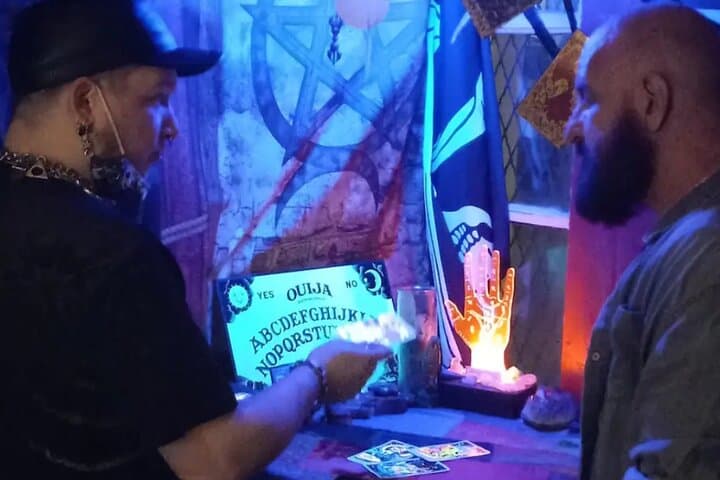
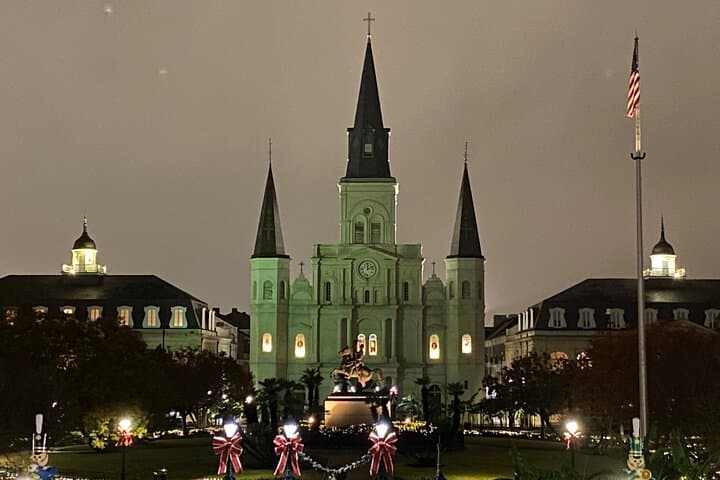
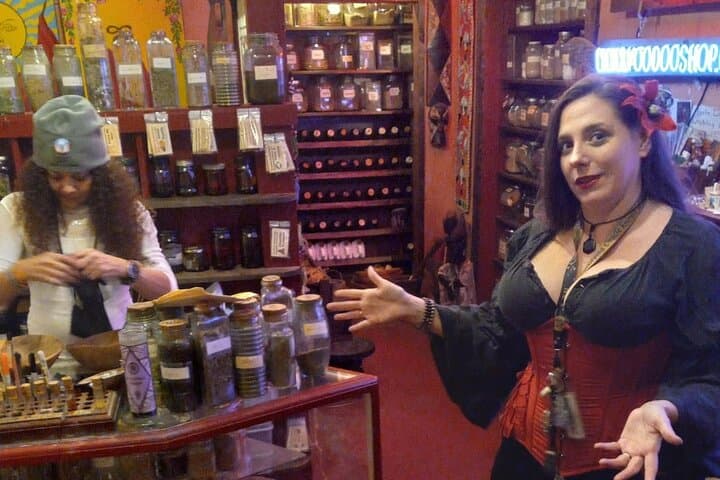
On this adults-only, two-hour walking tour the guide becomes the medium — not in theatrical costume but as a practiced voice steeped in the local occult traditions. You move through familiar postcards — Jackson Square, Pirates Alley, the Lalaurie mansion — and into less photographed corners: narrow alleys where lantern light pools, voodoo shops that keep incense in the doorway, and the Hands of Fate storefront where practitioners gather. The tour is explicit by design; it covers violence, sex, and the darker pages of the city’s past that mainstream walks gloss over.
New Orleans’ reputation for the supernatural grows out of a real, complicated history. Creole voodoo coalesced from West African practices, Catholic ritual, and Caribbean belief systems; figures like Marie Laveau lived in the public eye as healers, political actors, and mythic icons. The Lalaurie mansion’s brutal 19th-century crimes and Jean Lafitte’s pirate-era ghosts are not just folklore but reflections of social tensions — slavery, poverty, migration — that shaped the city.
Beyond lore, the city’s geology and urban form matter: built on marsh and levee fill, the Quarter’s narrow streets and courtyards keep sounds and scents close. That density helps the tour feel intimate — a bar stop mid-way offers a chance to sit, listen, and recalibrate before the night deepens.
Practical guidance: this is an adults-only experience — no children at all on shared tours — and the content is graphic. Comfortable shoes matter; the route covers two hours of paved streets and occasional cobblestones. The tour operates rain or shine; bring a light rain shell during summer thunderstorms. Most guides accept tips and will welcome questions about local witchcraft and voodoo practices, but be respectful — many stories stem from living traditions and contemporary practitioners.
Accessibility: the operator notes wheelchair access, though uneven pavement can slow progress. Photography is allowed but guides may discourage flash in sensitive stops. Expect small-group size for a more candid experience; bring ID, cash for drinks or tips, and an open mind. If you prefer a tamer, family-friendly version of New Orleans’ past, choose a different walk. For adults who want the city’s shadows and its history without sanitizing, this tour is direct, informed, and unforgettable.
easy.
2 hours.
Light fitness—able to stand and walk on paved surfaces for two hours.
No—this is an adults-only experience. Children can join only on a private tour booked separately.
Yes, the operator lists wheelchair accessibility, but uneven pavement and cobblestones may affect mobility—contact the operator ahead to discuss needs.
No—stops are exterior only. The guide will tell the detailed histories from public sidewalks and alleys.
Yes; photography is allowed, but guides may ask you to avoid flash in sensitive locations and to be respectful of private property.
No—there is a bar stop where you may purchase drinks; alcohol is not included in the tour price.
The tour operates rain or shine; short storms are common. The cancellation policy allows refunds if the operator cancels at least 24 hours prior.
The tour traces creole voodoo practices tied to Marie Laveau, and examines darker episodes like the Lalaurie mansion that reflect class and racial tensions in 19th-century New Orleans.
Respect private property and minimize flash photography; support small local voodoo and occult shops by buying offerings rather than taking artifacts.
Wicked History Tours operates guided outdoor trips and adventures with an emphasis on safety, stewardship, and memorable experiences.
The French Quarter at night is a city that insists on being felt: the air humid enough to press a film of sweat on your skin, iron balconies casting webbed shadows, and the click of shoes that sounds louder than usual when a tour guide decides the next story should be heard in a whisper.
The French Quarter at night is a city that insists on being felt: the air humid enough to press a film of sweat on your skin, iron balconies casting webbed shadows, and the click of shoes that sounds louder than usual when a tour guide decides the next story should be heard in a whisper.
On this adults-only, two-hour walking tour the guide becomes the medium — not in theatrical costume but as a practiced voice steeped in the local occult traditions. You move through familiar postcards — Jackson Square, Pirates Alley, the Lalaurie mansion — and into less photographed corners: narrow alleys where lantern light pools, voodoo shops that keep incense in the doorway, and the Hands of Fate storefront where practitioners gather. The tour is explicit by design; it covers violence, sex, and the darker pages of the city’s past that mainstream walks gloss over.
New Orleans’ reputation for the supernatural grows out of a real, complicated history. Creole voodoo coalesced from West African practices, Catholic ritual, and Caribbean belief systems; figures like Marie Laveau lived in the public eye as healers, political actors, and mythic icons. The Lalaurie mansion’s brutal 19th-century crimes and Jean Lafitte’s pirate-era ghosts are not just folklore but reflections of social tensions — slavery, poverty, migration — that shaped the city.
Beyond lore, the city’s geology and urban form matter: built on marsh and levee fill, the Quarter’s narrow streets and courtyards keep sounds and scents close. That density helps the tour feel intimate — a bar stop mid-way offers a chance to sit, listen, and recalibrate before the night deepens.
Practical guidance: this is an adults-only experience — no children at all on shared tours — and the content is graphic. Comfortable shoes matter; the route covers two hours of paved streets and occasional cobblestones. The tour operates rain or shine; bring a light rain shell during summer thunderstorms. Most guides accept tips and will welcome questions about local witchcraft and voodoo practices, but be respectful — many stories stem from living traditions and contemporary practitioners.
Accessibility: the operator notes wheelchair access, though uneven pavement can slow progress. Photography is allowed but guides may discourage flash in sensitive stops. Expect small-group size for a more candid experience; bring ID, cash for drinks or tips, and an open mind. If you prefer a tamer, family-friendly version of New Orleans’ past, choose a different walk. For adults who want the city’s shadows and its history without sanitizing, this tour is direct, informed, and unforgettable.