THE ADVENTURE COLLECTIVE® · Independent discovery and booking for outdoor travel

Traverse Mauritania from Nouakchott to the Richat “Eye” and Banc d’Arguin in 10 days: dune climbs, ancient trading cities, monoliths, and vibrant bird colonies. Expect hours of 4x4 travel, short canyon and oasis hikes, and nights spent in camps and guest houses.
Traverse Mauritania from Nouakchott to the Richat “Eye” and Banc d’Arguin in 10 days: dune climbs, ancient trading cities, monoliths, and vibrant bird colonies. Expect hours of 4x4 travel, short canyon and oasis hikes, and nights spent in camps and guest houses.
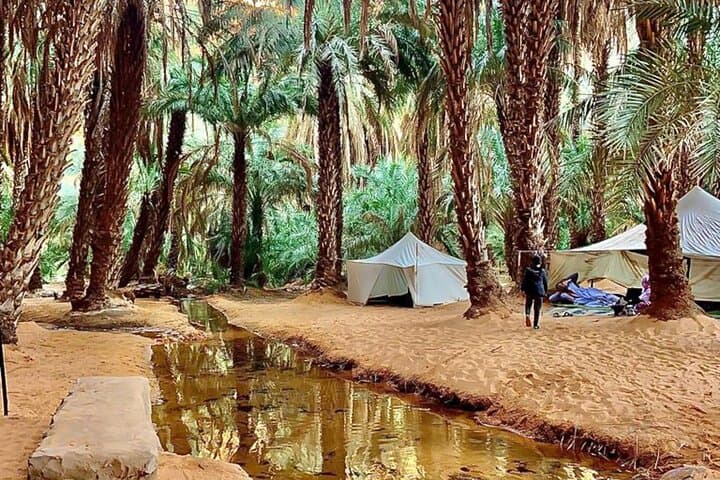
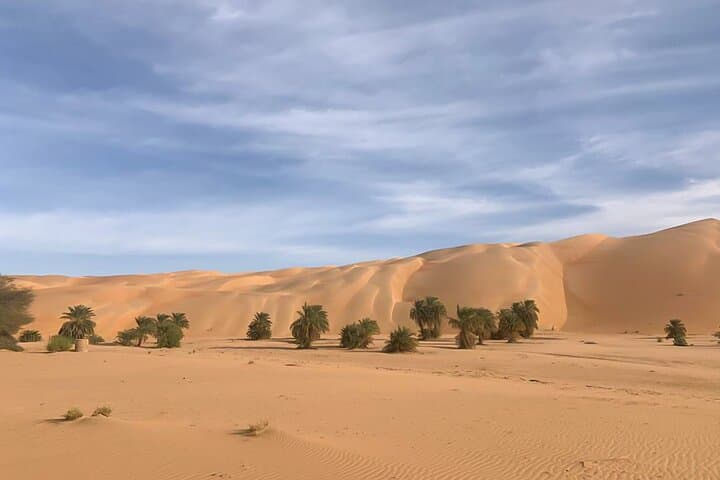
A wind-scrubbed morning in the Adrar region opens like a map of ochre and shadow — dunes run into plateaus, isolated oases flash green, and stone monoliths anchor the horizon. Travelers on this 10-day circuit move from Nouakchott’s coastal bustle into the spare, patient geometry of the Sahara, sleeping between starlit camps and ancient villages.
Verified experiences and guided adventures in the surrounding area.
Operated by Sidi Tours Mauritania · Nouakchott, Nouakchott
A wind-scrubbed morning in the Adrar region opens like a map of ochre and shadow — dunes run into plateaus, isolated oases flash green, and stone monoliths anchor the horizon. Travelers on this 10-day circuit move from Nouakchott’s coastal bustle into the spare, patient geometry of the Sahara, sleeping between starlit camps and ancient villages.
The route threads the region’s history: Chinguetti’s libraries recall trans-Saharan trade and Islamic scholarship; Ouadane and Ouadane’s stone lanes speak of caravans and salt routes. Geology takes center stage at the Richat Structure — the 40‑km “Eye of the Sahara” — and at Ben Amira, a towering sandstone monolith rising from flat desert. Along the Atlantic, Banc d’Arguin’s tidal flats host migratory birds, where flamingos and waders concentrate seasonally.
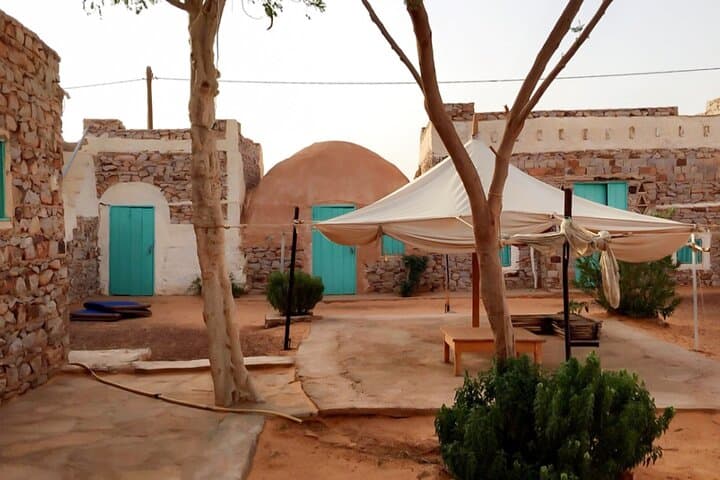
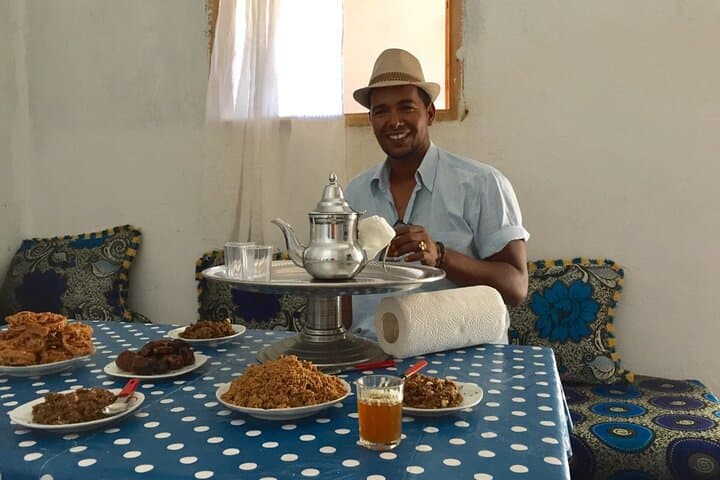
Guides are local Mauritanian nomads and hosts, offering access to guest houses, traditional tents, and remote camps. Expect a mix of short hikes (dune climbs, 30–60 minute oasis walks), extensive 4x4 travel on sandy tracks, and boat excursions for birdwatching.
Practical edge: daytime desert temps can spike while nights drop sharply; pack sun protection, warm layers for camp, and reliable footwear for shifting sand and rocky canyon paths. Hydrate proactively and carry a small first-aid kit; group travel uses well-maintained 4x4s but includes some bumpy stretches. This itinerary balances cultural sites and raw landscape — a hands-on, varied introduction to Mauritania’s inland and coastal wilderness.
moderate.
10 days.
Moderate fitness: comfortable with multiple hours of walking on uneven sand and short hikes; tolerate long vehicle transfers.
The tour is rated moderate: most walking is short (30–60 minutes) but there are dune climbs and uneven terrain; participants should handle several hours of travel each day.
A mix of hotels/guest houses in towns and traditional camps or tents in desert and coastal locations; some nights are under open sky at organized campsites.
Travelers should check Mauritania visa rules and consult healthcare providers for recommended vaccinations and malaria advice before travel.
Yes—Banc d’Arguin and nearby islands host seasonal concentrations of flamingos and shorebirds, best seen by boat excursions included toward the tour’s end.
The Adrar corridor contains ancient caravan towns (Chinguetti, Ouadane) that were key stops on trans-Saharan trade routes and centers of Islamic learning.
Banc d’Arguin is a protected area important for migratory birds and local fisheries; visitors should avoid disturbing nesting areas and follow guide instructions to minimize impact.
Sidi Tours Mauritania operates guided outdoor trips and adventures with an emphasis on safety, stewardship, and memorable experiences.
A wind-scrubbed morning in the Adrar region opens like a map of ochre and shadow — dunes run into plateaus, isolated oases flash green, and stone monoliths anchor the horizon. Travelers on this 10-day circuit move from Nouakchott’s coastal bustle into the spare, patient geometry of the Sahara, sleeping between starlit camps and ancient villages.
A wind-scrubbed morning in the Adrar region opens like a map of ochre and shadow — dunes run into plateaus, isolated oases flash green, and stone monoliths anchor the horizon. Travelers on this 10-day circuit move from Nouakchott’s coastal bustle into the spare, patient geometry of the Sahara, sleeping between starlit camps and ancient villages.
The route threads the region’s history: Chinguetti’s libraries recall trans-Saharan trade and Islamic scholarship; Ouadane and Ouadane’s stone lanes speak of caravans and salt routes. Geology takes center stage at the Richat Structure — the 40‑km “Eye of the Sahara” — and at Ben Amira, a towering sandstone monolith rising from flat desert. Along the Atlantic, Banc d’Arguin’s tidal flats host migratory birds, where flamingos and waders concentrate seasonally.
Guides are local Mauritanian nomads and hosts, offering access to guest houses, traditional tents, and remote camps. Expect a mix of short hikes (dune climbs, 30–60 minute oasis walks), extensive 4x4 travel on sandy tracks, and boat excursions for birdwatching.
Practical edge: daytime desert temps can spike while nights drop sharply; pack sun protection, warm layers for camp, and reliable footwear for shifting sand and rocky canyon paths. Hydrate proactively and carry a small first-aid kit; group travel uses well-maintained 4x4s but includes some bumpy stretches. This itinerary balances cultural sites and raw landscape — a hands-on, varied introduction to Mauritania’s inland and coastal wilderness.