THE ADVENTURE COLLECTIVE® · Independent discovery and booking for outdoor travel

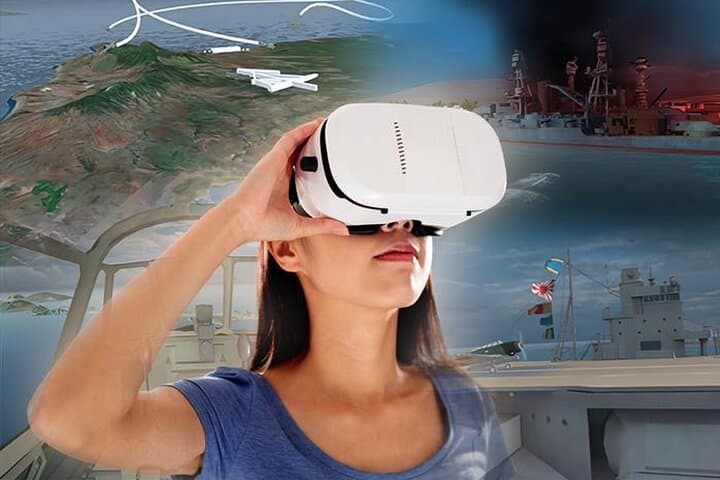
Experience Pearl Harbor on your terms with a narrated multimedia tour and four VR experiences that recreate the attack and life aboard the USS Arizona. Practical, accessible, and solemn—this self-guided visit pairs immersive storytelling with on-site interpretation.
Experience Pearl Harbor on your terms with a narrated multimedia tour and four VR experiences that recreate the attack and life aboard the USS Arizona. Practical, accessible, and solemn—this self-guided visit pairs immersive storytelling with on-site interpretation.
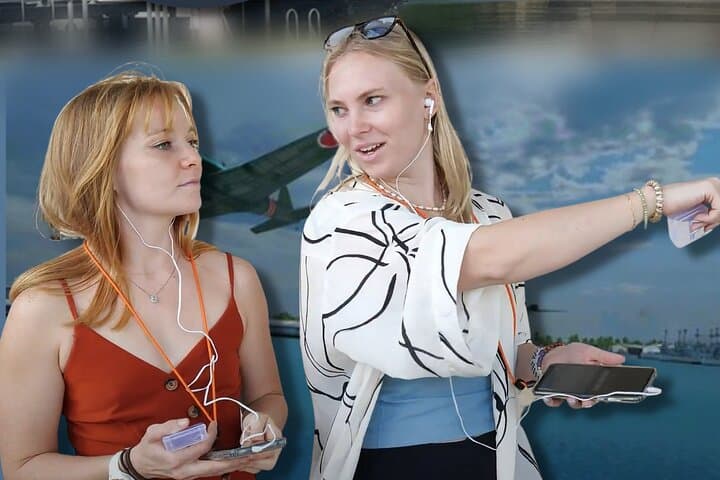
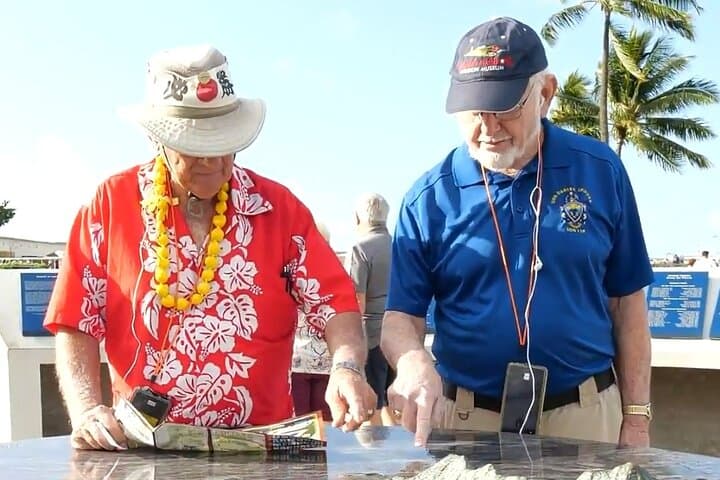
The Visitor Center sits low on the shoreline and the air smells faintly of salt and diesel; standing at the water’s edge you can see where the memorial rests like a pale outline above dark water. The self-guided multimedia tour puts narration in your ears—voices of survivors, historians, and Jamie Lee Curtis—while VR headsets transport you back into the decks and skies of December 7, 1941.
Verified experiences and guided adventures in the surrounding area.
Operated by Pacific Historic Parks · Honolulu, Hawaii
The Visitor Center sits low on the shoreline and the air smells faintly of salt and diesel; standing at the water’s edge you can see where the memorial rests like a pale outline above dark water. The self-guided multimedia tour puts narration in your ears—voices of survivors, historians, and Jamie Lee Curtis—while VR headsets transport you back into the decks and skies of December 7, 1941.
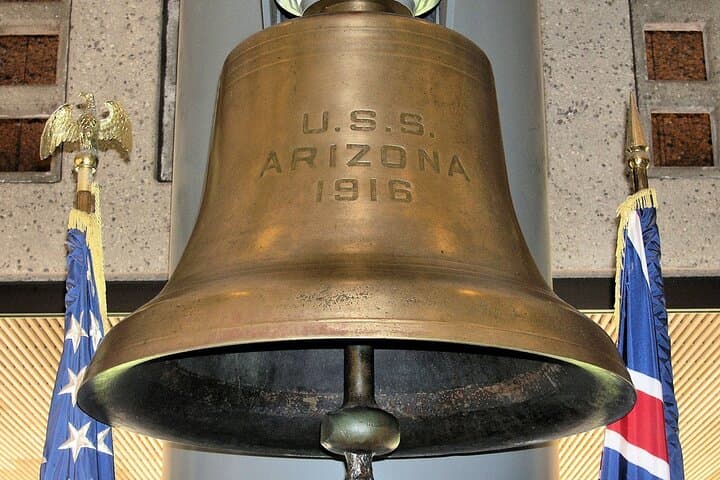
Pearl Harbor is both a working naval base and a historical landscape. Geologically, the harbor occupies an ancient reef-bounded inlet carved by reef growth and human dredging; culturally, it pivoted the United States into World War II. The USS Arizona Memorial marks a single, tragic moment and also frames decades of remembrance, repair, and ongoing environmental stewardship—the ship still seeps oil, a visible reminder of the past.
Practical guidance: plan 1–3 hours for the multimedia and VR experiences. The audio desk operates daily; bring your reservation confirmation and expect a no-bag policy at the Visitor Center (short-term bag storage is available nearby). The tour device and VR headset are provided, but you’ll do most of the walking on paved paths and shoreline viewpoints; accessible routes are available.
Timing matters—early morning spreads thinner crowds and softer light for photos; late afternoon brings warm, horizontal sunlight on the memorial. Respect quiet zones and interpretive signs, keep to designated areas, and assume you’ll be sharing the space with active military traffic and seabirds that circle and call overhead.
easy.
1–3 hours.
Suitable for most fitness levels; involves short walks on paved paths and some standing during exhibits and VR sessions.
No—boat tickets are not included with this multimedia tour; reserve them ahead on recreation.gov for a nominal fee or join the free standby queue at the Visitor Center.
Yes—the Pearl Harbor Visitor Center and main memorial viewing areas are wheelchair accessible; check specific exhibit access and notify staff if you need assistance.
VR content covers wartime footage and may be intense for young children; parental discretion is advised—historical narration is suitable for older children and teens.
The Visitor Center enforces a strict no-bag policy for items larger than designated dimensions; paid bag storage is available near the entrance for larger items.
Pearl Harbor was attacked on December 7, 1941; the USS Arizona Memorial marks a ship that sank with many lives lost and remains a site of national remembrance.
The memorial and surrounding waters are managed with strict access and bag policies to protect human remains and marine habitat; visitors are asked to avoid disturbing wildlife and to pack out any trash.
Pacific Historic Parks operates guided outdoor trips and adventures with an emphasis on safety, stewardship, and memorable experiences.
The Visitor Center sits low on the shoreline and the air smells faintly of salt and diesel; standing at the water’s edge you can see where the memorial rests like a pale outline above dark water. The self-guided multimedia tour puts narration in your ears—voices of survivors, historians, and Jamie Lee Curtis—while VR headsets transport you back into the decks and skies of December 7, 1941.
The Visitor Center sits low on the shoreline and the air smells faintly of salt and diesel; standing at the water’s edge you can see where the memorial rests like a pale outline above dark water. The self-guided multimedia tour puts narration in your ears—voices of survivors, historians, and Jamie Lee Curtis—while VR headsets transport you back into the decks and skies of December 7, 1941.
Pearl Harbor is both a working naval base and a historical landscape. Geologically, the harbor occupies an ancient reef-bounded inlet carved by reef growth and human dredging; culturally, it pivoted the United States into World War II. The USS Arizona Memorial marks a single, tragic moment and also frames decades of remembrance, repair, and ongoing environmental stewardship—the ship still seeps oil, a visible reminder of the past.
Practical guidance: plan 1–3 hours for the multimedia and VR experiences. The audio desk operates daily; bring your reservation confirmation and expect a no-bag policy at the Visitor Center (short-term bag storage is available nearby). The tour device and VR headset are provided, but you’ll do most of the walking on paved paths and shoreline viewpoints; accessible routes are available.
Timing matters—early morning spreads thinner crowds and softer light for photos; late afternoon brings warm, horizontal sunlight on the memorial. Respect quiet zones and interpretive signs, keep to designated areas, and assume you’ll be sharing the space with active military traffic and seabirds that circle and call overhead.