THE ADVENTURE COLLECTIVE® · Independent discovery and booking for outdoor travel

Board a small wetlands cruise from Darwin to witness saltwater crocodiles breach the Adelaide River for a meat-feed demonstration. Expect informed commentary, abundant birdlife, and an easy 3–4 hour excursion with hotel pickup.
Board a small wetlands cruise from Darwin to witness saltwater crocodiles breach the Adelaide River for a meat-feed demonstration. Expect informed commentary, abundant birdlife, and an easy 3–4 hour excursion with hotel pickup.
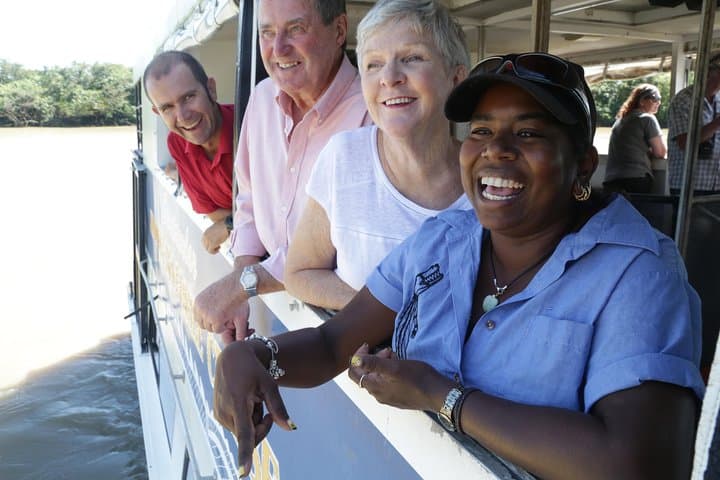
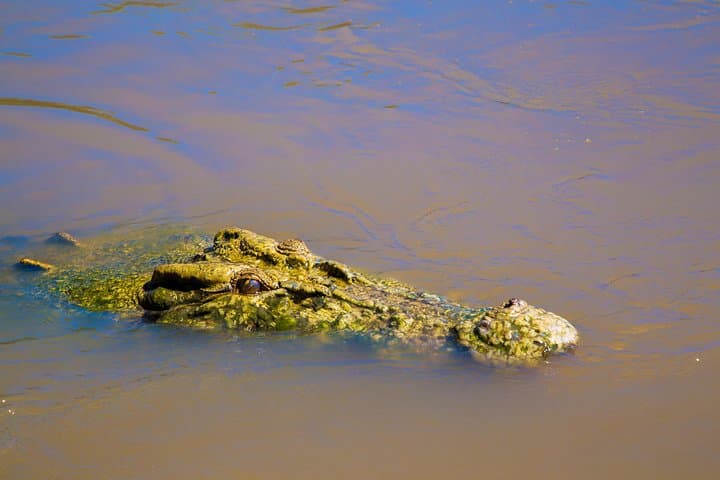
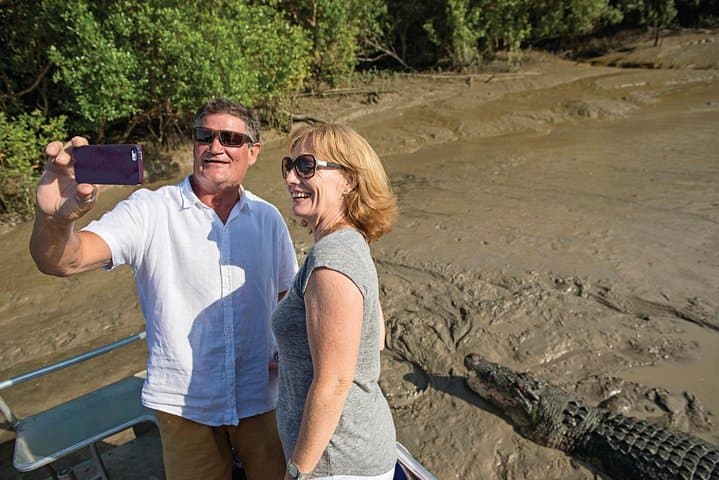
The boat engines ripple the late-afternoon light as mangrove roots and pandanus fringe the river bank. On the Adelaide River Cruise, guides train binoculars and voices on the water’s edge, coaxing a prehistoric silhouette into the open. Crocodiles circle like patient shadows; when the guide waves meat, the river seems to lunge and the croc rises — an explosive, gravity-defying moment that frames the raw power of northern Australia.
Verified experiences and guided adventures in the surrounding area.
Operated by AAT Kings · Adelaide River, Northern Territory
The boat engines ripple the late-afternoon light as mangrove roots and pandanus fringe the river bank. On the Adelaide River Cruise, guides train binoculars and voices on the water’s edge, coaxing a prehistoric silhouette into the open. Crocodiles circle like patient shadows; when the guide waves meat, the river seems to lunge and the croc rises — an explosive, gravity-defying moment that frames the raw power of northern Australia.
This stretch of water channels nutrients from the Top End’s sandstone and silted floodplains. Geologically simple but ecologically rich, the wetlands respond to wet-season inundation and dry-season concentration, creating predictable feeding patterns for saltwater crocodiles and migratory shorebirds. The area carries wartime history — nearby military camps and the Adelaide River War Cemetery speak to the region’s strategic role in World War II — while indigenous Yolngu and Larrakia people maintain cultural ties to the waterways.
Practical guidance: tours run from Darwin and include hotel pick-up; expect a 3–4 hour excursion including a short interpretive stop at the visitor centre. Wear sturdy, non-slip shoes for boarding, bring sun protection, and keep cameras ready with a modest telephoto. Respect safety briefings and keep limbs inside the vessel — crocodiles are large and unpredictable. Peak wildlife viewing aligns with tidal changes and cooler hours; the guide times the meat-feed demonstrations for clear viewing and photo opportunities.
The experience is equal parts wildlife theatre and natural history lesson — visceral, controlled, and highly accessible for families and first-time wildlife watchers.
easy.
3–4 hours.
Minimal fitness required; participants should be comfortable boarding a small boat and walking short ramps.
No—guides use meat to entice crocodiles and often get spectacular jumps, but wildlife is unpredictable and sightings cannot be guaranteed.
Yes; the cruise is family-friendly but infants must sit on an adult’s lap and children should follow safety instructions at all times.
Pickup from selected Darwin hotels is included; you must reconfirm pickup details with the supplier 24 hours before departure.
The tour is wheelchair accessible to an extent—guests must be accompanied by an able-bodied companion and be able to manage a ramp and a couple of boat steps.
Adelaide River served as a strategic staging area during World War II; remnants and a war cemetery remain as quiet reminders of that era.
The river supports managed crocodile populations; follow local guidance—do not feed wildlife and dispose of rubbish responsibly to protect wetland ecology.
AAT Kings operates guided outdoor trips and adventures with an emphasis on safety, stewardship, and memorable experiences.
The boat engines ripple the late-afternoon light as mangrove roots and pandanus fringe the river bank. On the Adelaide River Cruise, guides train binoculars and voices on the water’s edge, coaxing a prehistoric silhouette into the open. Crocodiles circle like patient shadows; when the guide waves meat, the river seems to lunge and the croc rises — an explosive, gravity-defying moment that frames the raw power of northern Australia.
The boat engines ripple the late-afternoon light as mangrove roots and pandanus fringe the river bank. On the Adelaide River Cruise, guides train binoculars and voices on the water’s edge, coaxing a prehistoric silhouette into the open. Crocodiles circle like patient shadows; when the guide waves meat, the river seems to lunge and the croc rises — an explosive, gravity-defying moment that frames the raw power of northern Australia.
This stretch of water channels nutrients from the Top End’s sandstone and silted floodplains. Geologically simple but ecologically rich, the wetlands respond to wet-season inundation and dry-season concentration, creating predictable feeding patterns for saltwater crocodiles and migratory shorebirds. The area carries wartime history — nearby military camps and the Adelaide River War Cemetery speak to the region’s strategic role in World War II — while indigenous Yolngu and Larrakia people maintain cultural ties to the waterways.
Practical guidance: tours run from Darwin and include hotel pick-up; expect a 3–4 hour excursion including a short interpretive stop at the visitor centre. Wear sturdy, non-slip shoes for boarding, bring sun protection, and keep cameras ready with a modest telephoto. Respect safety briefings and keep limbs inside the vessel — crocodiles are large and unpredictable. Peak wildlife viewing aligns with tidal changes and cooler hours; the guide times the meat-feed demonstrations for clear viewing and photo opportunities.
The experience is equal parts wildlife theatre and natural history lesson — visceral, controlled, and highly accessible for families and first-time wildlife watchers.