THE ADVENTURE COLLECTIVE® · Independent discovery and booking for outdoor travel

Learn manual exposure and composition while walking Adelaide’s parklands and riverside boulevards. This 2.5-hour hands-on workshop pairs technical instruction with timed locations to maximize light and learning.
Learn manual exposure and composition while walking Adelaide’s parklands and riverside boulevards. This 2.5-hour hands-on workshop pairs technical instruction with timed locations to maximize light and learning.
Morning light spills across Adelaide’s parklands and the River Torrens pushes a mirror-bright ribbon through the city — this is where the course begins. Participants move from tree-lined promenades to broad civic boulevards, stopping at heritage façades and sweeping skyline viewpoints as an instructor drills camera settings and composition into practical use. The tempo is hands-on and observant: stop, frame, adjust, repeat.
Verified experiences and guided adventures in the surrounding area.
Operated by Alfonso Calero Photography · Adelaide, South Australia
Morning light spills across Adelaide’s parklands and the River Torrens pushes a mirror-bright ribbon through the city — this is where the course begins. Participants move from tree-lined promenades to broad civic boulevards, stopping at heritage façades and sweeping skyline viewpoints as an instructor drills camera settings and composition into practical use. The tempo is hands-on and observant: stop, frame, adjust, repeat.
Adelaide’s grid was planned in the 19th century and sits inside a ring of public parks; that urban geometry and the mature fig and plane trees create predictable light and shadow patterns ideal for learning. The course highlights civic architecture, riverside paths, and pockets of Kaurna Country, pairing technical exercises with quick cultural context about local landmarks.
For photographers the value is threefold: controlled practice with manual exposure, guided composition feedback, and deliberate location choices timed for flattering light. Expect a roughly 2.5-hour session across easy walking terrain and city sidewalks; groups are small so the instructor can offer personalized adjustments to shutter speed, aperture and ISO.
Practical notes: aim for golden hour or late-afternoon sessions for dynamic skies, bring at least one spare battery and a small lens selection, and wear comfortable shoes for 2–3 km of walking. Weather in Adelaide can shift quickly—light layers and a rain shell are prudent. The course suits beginners who want technical grounding and enthusiasts seeking structured shooting time in a compact, photogenic urban setting.
easy.
2–3 hours.
Suitable for all fitness levels; expect walking on paved paths totaling roughly 2–3 km.
Yes — participants should bring a camera that offers manual exposure control (DSLR or mirrorless) so the instructor can demonstrate settings.
Small shared groups are capped (typically up to 10 participants) to allow individualized feedback.
For a full refund cancel at least 24 hours before the scheduled start; same-day cancellations are not refundable.
The workshop runs about 150 minutes and includes 2–3 km of easy walking across city sidewalks and park paths.
Adelaide was planned in the 1830s with a surrounding ring of public parklands; many civic buildings along North Terrace are heritage-listed.
The city’s parklands are managed for public access and biodiversity — stick to paths and avoid disturbing bird nesting areas to minimize impact.
Alfonso Calero Photography operates guided outdoor trips and adventures with an emphasis on safety, stewardship, and memorable experiences.
Morning light spills across Adelaide’s parklands and the River Torrens pushes a mirror-bright ribbon through the city — this is where the course begins. Participants move from tree-lined promenades to broad civic boulevards, stopping at heritage façades and sweeping skyline viewpoints as an instructor drills camera settings and composition into practical use. The tempo is hands-on and observant: stop, frame, adjust, repeat.
Morning light spills across Adelaide’s parklands and the River Torrens pushes a mirror-bright ribbon through the city — this is where the course begins. Participants move from tree-lined promenades to broad civic boulevards, stopping at heritage façades and sweeping skyline viewpoints as an instructor drills camera settings and composition into practical use. The tempo is hands-on and observant: stop, frame, adjust, repeat.
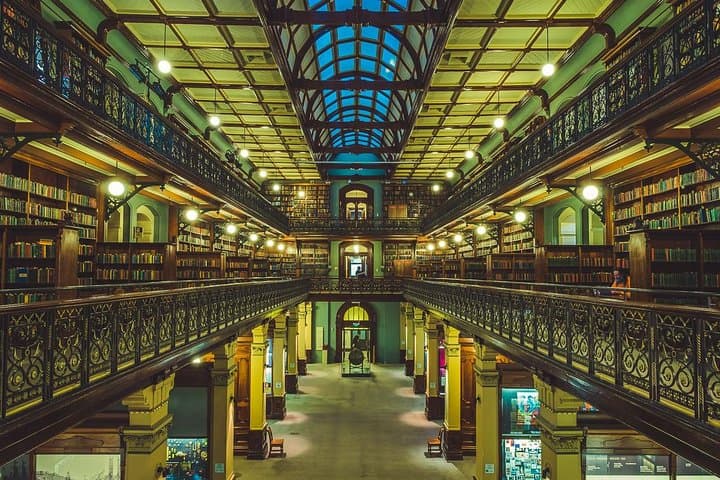
Adelaide’s grid was planned in the 19th century and sits inside a ring of public parks; that urban geometry and the mature fig and plane trees create predictable light and shadow patterns ideal for learning. The course highlights civic architecture, riverside paths, and pockets of Kaurna Country, pairing technical exercises with quick cultural context about local landmarks.
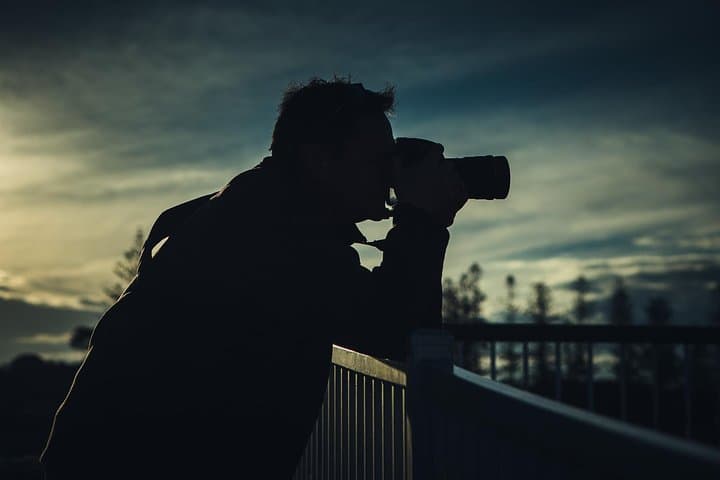
For photographers the value is threefold: controlled practice with manual exposure, guided composition feedback, and deliberate location choices timed for flattering light. Expect a roughly 2.5-hour session across easy walking terrain and city sidewalks; groups are small so the instructor can offer personalized adjustments to shutter speed, aperture and ISO.
Practical notes: aim for golden hour or late-afternoon sessions for dynamic skies, bring at least one spare battery and a small lens selection, and wear comfortable shoes for 2–3 km of walking. Weather in Adelaide can shift quickly—light layers and a rain shell are prudent. The course suits beginners who want technical grounding and enthusiasts seeking structured shooting time in a compact, photogenic urban setting.