THE ADVENTURE COLLECTIVE® · Independent discovery and booking for outdoor travel

A straight shot from the Port Elizabeth quayside to Addo Elephant National Park offers one of the most efficient ways to see free-roaming elephants and classic Eastern Cape wildlife on a half-day shore excursion. Expect focused game viewing, a light lunch, and timed return for your ship.
A straight shot from the Port Elizabeth quayside to Addo Elephant National Park offers one of the most efficient ways to see free-roaming elephants and classic Eastern Cape wildlife on a half-day shore excursion. Expect focused game viewing, a light lunch, and timed return for your ship.
The convoy peels away from the quayside as the ship’s silhouette shrinks behind the harbor; within 35 minutes the scrub thickens and the road opens onto Addo Elephant National Park’s sun-baked plains. Vehicles sink into the rhythm of game viewing—horns and calls traded for the low, deliberate pace of elephants that seem to own every path they cross.
Verified experiences and guided adventures in the surrounding area.
Operated by Alan Tours · Port Elizabeth, Eastern Cape
The convoy peels away from the quayside as the ship’s silhouette shrinks behind the harbor; within 35 minutes the scrub thickens and the road opens onto Addo Elephant National Park’s sun-baked plains. Vehicles sink into the rhythm of game viewing—horns and calls traded for the low, deliberate pace of elephants that seem to own every path they cross.
Addo, established in 1931 to protect a declining elephant population, now spans more than 1,600 km² of coastal thicket, dunes, clay pans and dry river valleys. The geology is gentle—ancient sandstone and coastal depositional plains—so ridgelines are modest, but views across the park carry a wide, open quality that makes wildlife silhouettes read like signage against the sky.
Culturally, the park sits on Xhosa country and near Port Elizabeth (Gqeberha), where maritime trade shaped the coast’s modern identity; picnic sites and the park restaurant reflect a mix of local hospitality and visitor needs.
Practically, expect a 7–9 hour shore excursion that prioritizes direct access via the southern gate. Guides steer toward known elephant ranges and diverse sightings—zebra, kudu, ostrich, and the Big Five are all possible. The day includes a comfort stop, a light lunch at the park restaurant, and time for short walks at picnic areas.
Bring binoculars, sun protection and a camera with a long lens; plan to return to the quayside well before embarkation. Vehicles are typically 4x4s but may vary. For cruise passengers on a tight schedule, this route balances maximum park time with reliable transfers, offering a straightforward, wildlife-rich introduction to one of South Africa’s most accessible national parks.
easy.
7–9 hours.
Suitable for most fitness levels; involves sitting in a vehicle with short, easy walks at picnic/rest stops.
The excursion runs about 7–9 hours (420–540 minutes) including transfers from the quayside, game viewing, a comfort break and lunch at the park restaurant.
Yes—Addo Elephant National Park is in a malaria-free zone, making it a common choice for cruise passengers concerned about malaria risk.
Addo hosts nearly 700 elephants and offers sightings of many species; lions, buffalo, rhino and leopard are present but not guaranteed—sightings depend on season and luck.
Private safari options are available on request, subject to availability and often at a higher cost to ensure exclusive vehicle and guide time.
Created in 1931 to protect the last remaining Cape elephants, Addo has expanded to include coastal and marine areas and now conserves diverse Eastern Cape habitats.
Addo emphasizes research-driven management and community partnerships; visitors are encouraged to stay on roads and follow guide instructions to reduce disturbance.
Alan Tours operates guided outdoor trips and adventures with an emphasis on safety, stewardship, and memorable experiences.


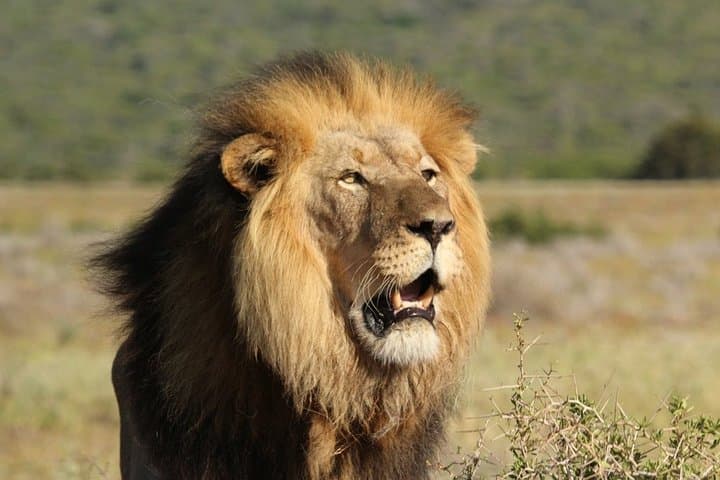
The convoy peels away from the quayside as the ship’s silhouette shrinks behind the harbor; within 35 minutes the scrub thickens and the road opens onto Addo Elephant National Park’s sun-baked plains. Vehicles sink into the rhythm of game viewing—horns and calls traded for the low, deliberate pace of elephants that seem to own every path they cross.
The convoy peels away from the quayside as the ship’s silhouette shrinks behind the harbor; within 35 minutes the scrub thickens and the road opens onto Addo Elephant National Park’s sun-baked plains. Vehicles sink into the rhythm of game viewing—horns and calls traded for the low, deliberate pace of elephants that seem to own every path they cross.
Addo, established in 1931 to protect a declining elephant population, now spans more than 1,600 km² of coastal thicket, dunes, clay pans and dry river valleys. The geology is gentle—ancient sandstone and coastal depositional plains—so ridgelines are modest, but views across the park carry a wide, open quality that makes wildlife silhouettes read like signage against the sky.
Culturally, the park sits on Xhosa country and near Port Elizabeth (Gqeberha), where maritime trade shaped the coast’s modern identity; picnic sites and the park restaurant reflect a mix of local hospitality and visitor needs.
Practically, expect a 7–9 hour shore excursion that prioritizes direct access via the southern gate. Guides steer toward known elephant ranges and diverse sightings—zebra, kudu, ostrich, and the Big Five are all possible. The day includes a comfort stop, a light lunch at the park restaurant, and time for short walks at picnic areas.
Bring binoculars, sun protection and a camera with a long lens; plan to return to the quayside well before embarkation. Vehicles are typically 4x4s but may vary. For cruise passengers on a tight schedule, this route balances maximum park time with reliable transfers, offering a straightforward, wildlife-rich introduction to one of South Africa’s most accessible national parks.