THE ADVENTURE COLLECTIVE® · Independent discovery and booking for outdoor travel

Spend a full day in Addo Elephant Park tracking Africa’s Big 7 on a guided photo safari from Port Elizabeth. Expect close elephant encounters, varied terrain from dune thickets to coastal plains, and structured game drives timed for prime light.
Spend a full day in Addo Elephant Park tracking Africa’s Big 7 on a guided photo safari from Port Elizabeth. Expect close elephant encounters, varied terrain from dune thickets to coastal plains, and structured game drives timed for prime light.
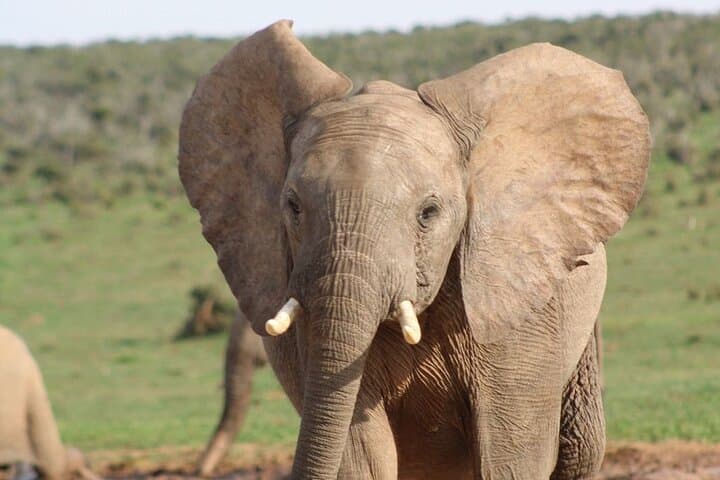
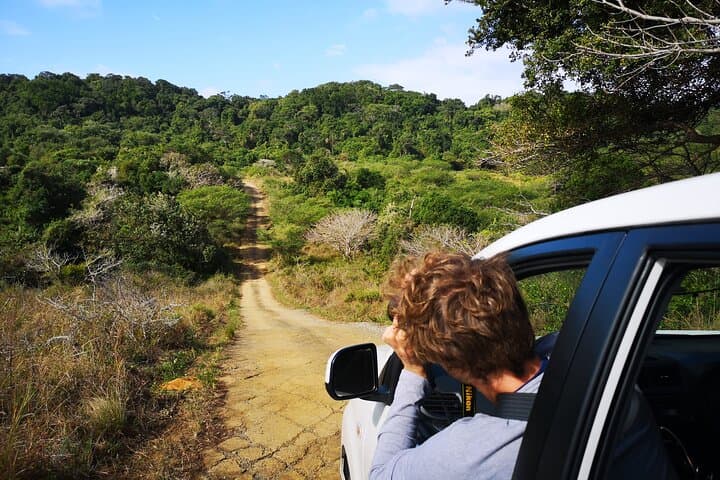
Morning light skims low over red dune ridges as an open 4x4 rolls through a corridor of bush—scent of earth and sage grows stronger, and trunks begin to appear like carved pillars in the scrub. By midmorning you’re parked, camera up, watching a matriarch elephant decide whether the road is worth crossing. The guide murmurs a plan; the herd obliges, and the shutter rhythm becomes part of the landscape.
Verified experiences and guided adventures in the surrounding area.
Operated by Traveloma Tours & Safaris · Addo, Eastern Cape
Morning light skims low over red dune ridges as an open 4x4 rolls through a corridor of bush—scent of earth and sage grows stronger, and trunks begin to appear like carved pillars in the scrub. By midmorning you’re parked, camera up, watching a matriarch elephant decide whether the road is worth crossing. The guide murmurs a plan; the herd obliges, and the shutter rhythm becomes part of the landscape.
Addo Elephant Park was created to protect the last surviving local elephant populations and today covers roughly 180,000 hectares of broken dunes, succulent thickets and coastal plains. The park’s geology is a collision of ancient Karoo deposits and recent coastal sediments; granite koppies and salt marshes both steer animal movements and the best photographic angles.
Culture threads through the day: your guide may teach isiXhosa clicks between sightings and explain how local shepherding and farming co-exist with conservation. The park’s new marine inclusions mean the “Big 7” story now stretches from inland bulls and rhinos to coastal sharks and whales—an unusual, interlinked ecosystem.
Practical side: expect full-day game drives (6–8 hours), mostly from a seated vehicle with short walks at viewpoints. Arrive with charged camera batteries, layered clothing for shifting temperatures, and a respectful patience—animals set the schedule. Midday light can be harsh; plan for the softer early-morning and late-afternoon windows. Hydration, sun protection and quiet observation are the real luxuries here. Whether chasing silhouettes against a purple sunset or learning local place names, the trip balances photographic opportunity with clear, conservation-minded wildlife etiquette.
easy.
6–8 hours.
Reasonable mobility for short walks and getting on/off a vehicle; comfortable sitting for extended drives
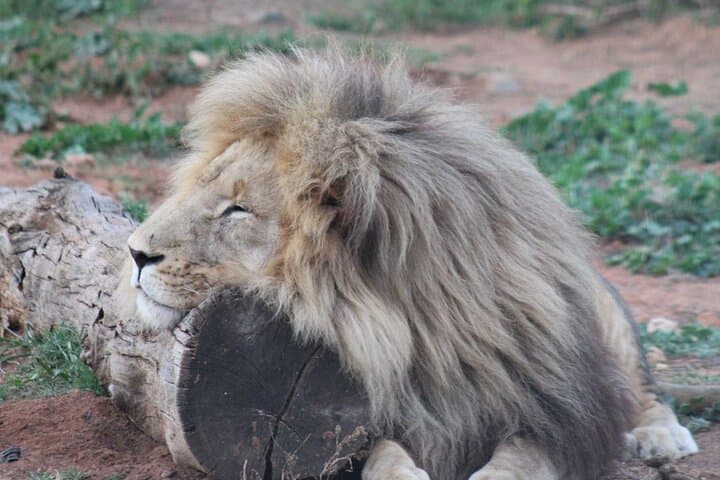
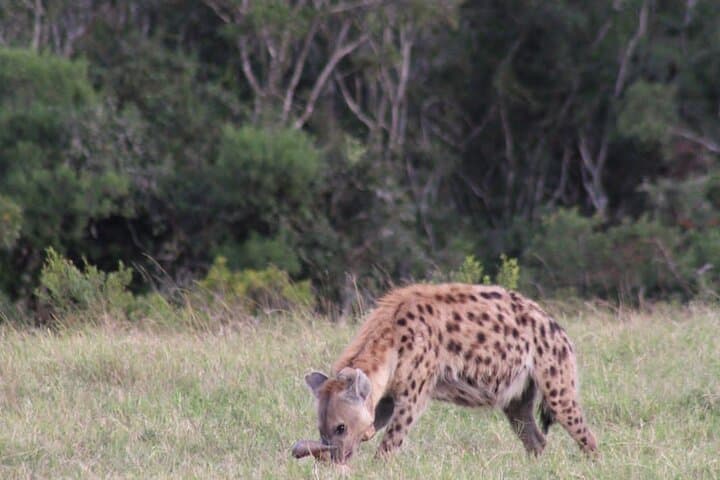
Addo supports elephants, buffalo, lion, leopard, and rhinoceros on land, while the park’s marine extensions include sightings of great white sharks and southern right whales seasonally; sightings are never guaranteed but the diversity is high.
Yes—vehicles accommodate all fitness levels, and short, guided walks are optional; child seats and stroller access are available per the operator.
Yes—the listed tour inclusions specify the park entrance fee as included in the booking price.
Bring spare batteries, large memory cards, a telephoto lens, lens cleaning kit, and neutral-colored clothing to reduce glare and sudden movements.
Originally protected in the 1930s to save dwindling elephant numbers, Addo has expanded to encompass coastal and marine habitats, creating a rare land-to-sea conservation unit.
Park management focuses on anti-poaching, community engagement and habitat expansion; visitors are asked to follow leave-no-trace principles and support local guides to benefit regional conservation.
Traveloma Tours & Safaris operates guided outdoor trips and adventures with an emphasis on safety, stewardship, and memorable experiences.
Morning light skims low over red dune ridges as an open 4x4 rolls through a corridor of bush—scent of earth and sage grows stronger, and trunks begin to appear like carved pillars in the scrub. By midmorning you’re parked, camera up, watching a matriarch elephant decide whether the road is worth crossing. The guide murmurs a plan; the herd obliges, and the shutter rhythm becomes part of the landscape.
Morning light skims low over red dune ridges as an open 4x4 rolls through a corridor of bush—scent of earth and sage grows stronger, and trunks begin to appear like carved pillars in the scrub. By midmorning you’re parked, camera up, watching a matriarch elephant decide whether the road is worth crossing. The guide murmurs a plan; the herd obliges, and the shutter rhythm becomes part of the landscape.
Addo Elephant Park was created to protect the last surviving local elephant populations and today covers roughly 180,000 hectares of broken dunes, succulent thickets and coastal plains. The park’s geology is a collision of ancient Karoo deposits and recent coastal sediments; granite koppies and salt marshes both steer animal movements and the best photographic angles.
Culture threads through the day: your guide may teach isiXhosa clicks between sightings and explain how local shepherding and farming co-exist with conservation. The park’s new marine inclusions mean the “Big 7” story now stretches from inland bulls and rhinos to coastal sharks and whales—an unusual, interlinked ecosystem.
Practical side: expect full-day game drives (6–8 hours), mostly from a seated vehicle with short walks at viewpoints. Arrive with charged camera batteries, layered clothing for shifting temperatures, and a respectful patience—animals set the schedule. Midday light can be harsh; plan for the softer early-morning and late-afternoon windows. Hydration, sun protection and quiet observation are the real luxuries here. Whether chasing silhouettes against a purple sunset or learning local place names, the trip balances photographic opportunity with clear, conservation-minded wildlife etiquette.