THE ADVENTURE COLLECTIVE® · Independent discovery and booking for outdoor travel

Spend a day in Addo Elephant National Park on guided game drives from Gqeberha. See large elephant herds, diverse birdlife and multiple biomes while learning park history and conservation from experienced guides.
Spend a day in Addo Elephant National Park on guided game drives from Gqeberha. See large elephant herds, diverse birdlife and multiple biomes while learning park history and conservation from experienced guides.
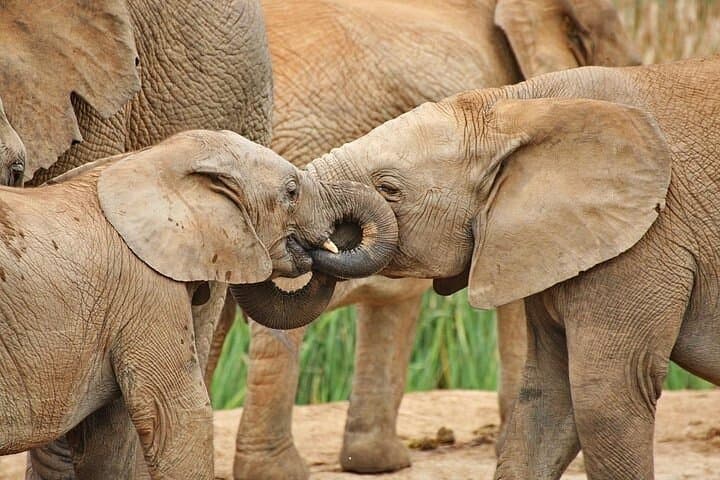
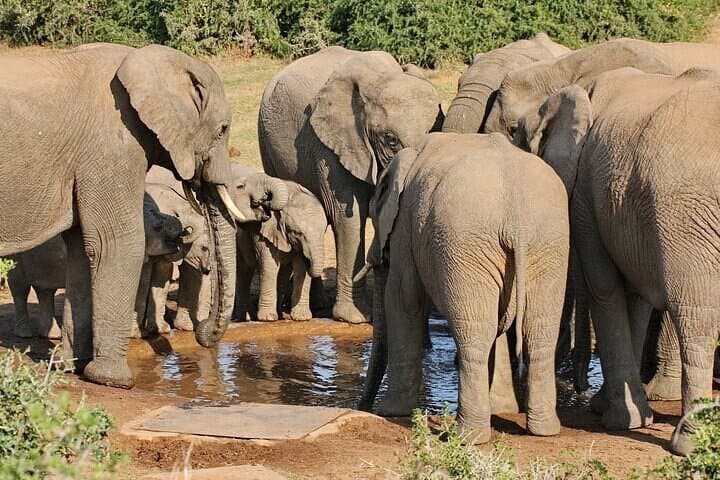
A low, warm wind brushes the scrub as the vehicle turns off the tar and onto the park road. In the near distance a herd of elephants shifts like a slow-moving island; trunks lift, ears flick, and the landscape answers in bird calls and the rustle of acacia.
Verified experiences and guided adventures in the surrounding area.
Operated by sa wild escapes · Addo, Eastern Cape
A low, warm wind brushes the scrub as the vehicle turns off the tar and onto the park road. In the near distance a herd of elephants shifts like a slow-moving island; trunks lift, ears flick, and the landscape answers in bird calls and the rustle of acacia.
Addo Elephant National Park was created in 1931 to protect the last surviving elephants of the Eastern Cape and has since expanded to include coastal dunes, thicket, and the Zuurberg Mountains. The park's geology shifts from fossil-rich sandstone ridges to sandy river valleys, shaping watering holes that draw wildlife and people alike. Local Xhosa communities and colonial-era farming history touch the edges of the reserve, visible in small settlements and interpretive signage.
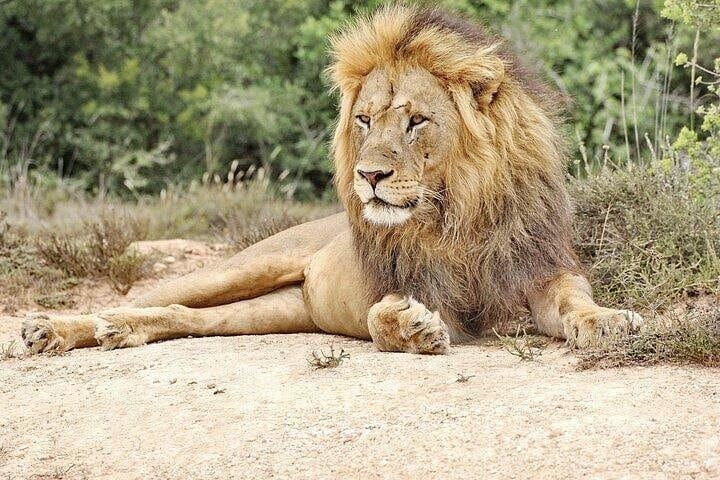
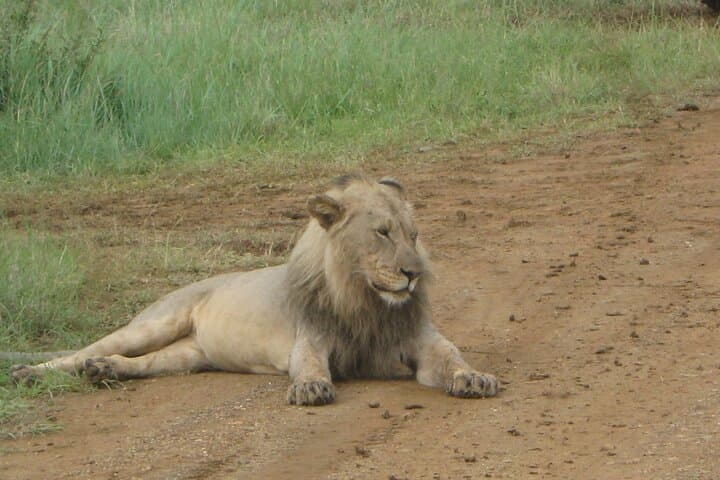
On a day tour from Gqeberha (Port Elizabeth) travelers can expect guided game drives across multiple biomes, a chance to see African elephant up close, and sightings of buffalo, antelope, and prolific birdlife. Guides explain animal behavior, park history, and ongoing conservation work, including black rhino and predator management programs.
Practical notes: tours last about six hours with light lunch provided and mostly vehicle-based viewing—minimal walking required. Mornings and late afternoons bring the best activity; mid-day heat pushes animals into shade. Bring binoculars, sun protection, and a charged camera. The route can be dusty; consider layers and a small daypack.
This is a wildlife-first experience—expect patience, close-range observation, and the slow pulse of the African bush as the day unfolds.
easy.
6 hours.
Suitable for most fitness levels—mostly seated game driving with occasional short walks
The scheduled tour runs approximately six hours, including drive time into and around the park and a light lunch.
There are over 600 elephants in the park and sightings are very likely, but wildlife is never guaranteed—viewing depends on animal movement and season.
The operator notes wheelchair-accessible transportation and site access; confirm pickup and any special assistance when booking.
Wear closed-toe shoes for any short walks, neutral colors for better wildlife viewing, sun protection, and bring a light jacket for cool mornings.
Originally established in 1931 to protect the remaining elephants of the Eastern Cape, Addo has grown to protect multiple biomes and support species reintroductions.
The park manages water resources, anti-poaching patrols, and species reintroductions to maintain ecological balance and protect vulnerable species.
sa wild escapes operates guided outdoor trips and adventures with an emphasis on safety, stewardship, and memorable experiences.
A low, warm wind brushes the scrub as the vehicle turns off the tar and onto the park road. In the near distance a herd of elephants shifts like a slow-moving island; trunks lift, ears flick, and the landscape answers in bird calls and the rustle of acacia.
A low, warm wind brushes the scrub as the vehicle turns off the tar and onto the park road. In the near distance a herd of elephants shifts like a slow-moving island; trunks lift, ears flick, and the landscape answers in bird calls and the rustle of acacia.
Addo Elephant National Park was created in 1931 to protect the last surviving elephants of the Eastern Cape and has since expanded to include coastal dunes, thicket, and the Zuurberg Mountains. The park's geology shifts from fossil-rich sandstone ridges to sandy river valleys, shaping watering holes that draw wildlife and people alike. Local Xhosa communities and colonial-era farming history touch the edges of the reserve, visible in small settlements and interpretive signage.
On a day tour from Gqeberha (Port Elizabeth) travelers can expect guided game drives across multiple biomes, a chance to see African elephant up close, and sightings of buffalo, antelope, and prolific birdlife. Guides explain animal behavior, park history, and ongoing conservation work, including black rhino and predator management programs.
Practical notes: tours last about six hours with light lunch provided and mostly vehicle-based viewing—minimal walking required. Mornings and late afternoons bring the best activity; mid-day heat pushes animals into shade. Bring binoculars, sun protection, and a charged camera. The route can be dusty; consider layers and a small daypack.
This is a wildlife-first experience—expect patience, close-range observation, and the slow pulse of the African bush as the day unfolds.