THE ADVENTURE COLLECTIVE® · Independent discovery and booking for outdoor travel

Spend a full day searching for elephants and the Big Five across Addo National Park’s rolling ridges and coastal sections. This guided safari combines frequent elephant viewing with a varied landscape and a malaria-free environment.
Spend a full day searching for elephants and the Big Five across Addo National Park’s rolling ridges and coastal sections. This guided safari combines frequent elephant viewing with a varied landscape and a malaria-free environment.
The sun rises low over wind-scoured dunes and the first elephant silhouettes move like slow ships through the low scrub; you slide into a safari vehicle and the park opens up with a hush and a series of sudden, alive moments.
Verified experiences and guided adventures in the surrounding area.
Operated by African Experience Gqeberha · Addo, Eastern Cape
The sun rises low over wind-scoured dunes and the first elephant silhouettes move like slow ships through the low scrub; you slide into a safari vehicle and the park opens up with a hush and a series of sudden, alive moments.
Addo was born in 1931 to protect the last 11 elephants in the region, and the park’s layered landscape — from the Zuurberg foothills to coastal dunes and a marine reserve — tells a short natural history of South Africa’s Eastern Cape: ancient sedimentary ridges folded by time, nutrient-rich river mouths, and stretches where fynbos gives way to springbok country. Local Xhosa communities and Afrikaans farming heritage both shape roads, place names, and hospitality around Addo, and the park now includes marine protection for penguins and whales.
On a guided full-day safari expect long stretches of open track, frequent elephant sightings, and the possibility of buffalo, lion, rhino and leopard in distant brush; guides read spoor and vehicle etiquette while you listen for alarm calls and the patient grinding of tusks. Terrain is mostly graded gravel and packed earth; walking is minimal unless you opt for short hides or viewpoints.
Practical things: bring layered sun protection, quality binoculars, and an insulated bottle. Plan for a 6–8 hour outing with snacks and bottled water included if booked; vehicle rides can be bumpy and dusty, so secure cameras and keep hydration regular. Morning and late-afternoon drives are best for wildlife activity and softer light for photography.
easy.
6–8 hours.
Suitable for most fitness levels—expect extended periods seated in a vehicle and short, optional walks at hides or viewpoints.
Yes — Addo National Park is in a malaria-free part of the Eastern Cape.
Typical guided safaris run about 6–8 hours, including game drives and a picnic break if selected.
Yes — tours welcome children; infant seats and stroller access are available, but check age-related rules with your operator.
Entry fees are usually included when booked through a tour; bring cash or card for optional extras like 4x4 drives, souvenirs, or additional refreshments.
Established in 1931 to protect the last 11 local elephants, Addo has expanded to include diverse habitats and a marine reserve protecting penguins and whale routes.
Addo is a conservation success story focused on increasing habitat connectivity and protecting coastal and marine species; follow park rules to minimize impact and avoid driving off-route.
African Experience Gqeberha operates guided outdoor trips and adventures with an emphasis on safety, stewardship, and memorable experiences.


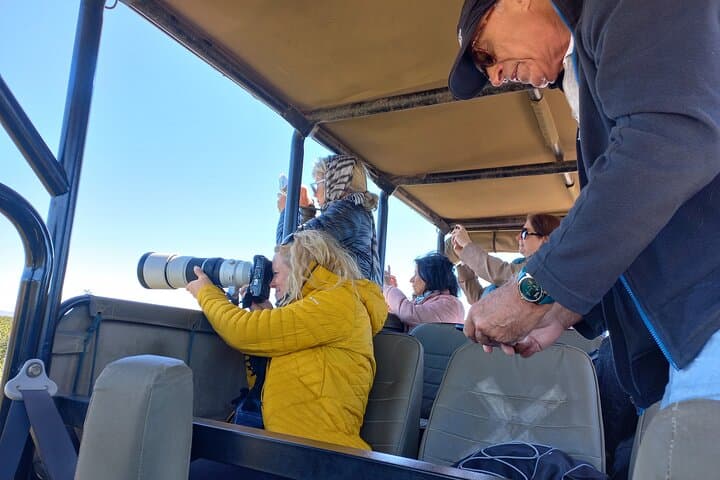
The sun rises low over wind-scoured dunes and the first elephant silhouettes move like slow ships through the low scrub; you slide into a safari vehicle and the park opens up with a hush and a series of sudden, alive moments.
The sun rises low over wind-scoured dunes and the first elephant silhouettes move like slow ships through the low scrub; you slide into a safari vehicle and the park opens up with a hush and a series of sudden, alive moments.
Addo was born in 1931 to protect the last 11 elephants in the region, and the park’s layered landscape — from the Zuurberg foothills to coastal dunes and a marine reserve — tells a short natural history of South Africa’s Eastern Cape: ancient sedimentary ridges folded by time, nutrient-rich river mouths, and stretches where fynbos gives way to springbok country. Local Xhosa communities and Afrikaans farming heritage both shape roads, place names, and hospitality around Addo, and the park now includes marine protection for penguins and whales.
On a guided full-day safari expect long stretches of open track, frequent elephant sightings, and the possibility of buffalo, lion, rhino and leopard in distant brush; guides read spoor and vehicle etiquette while you listen for alarm calls and the patient grinding of tusks. Terrain is mostly graded gravel and packed earth; walking is minimal unless you opt for short hides or viewpoints.
Practical things: bring layered sun protection, quality binoculars, and an insulated bottle. Plan for a 6–8 hour outing with snacks and bottled water included if booked; vehicle rides can be bumpy and dusty, so secure cameras and keep hydration regular. Morning and late-afternoon drives are best for wildlife activity and softer light for photography.