THE ADVENTURE COLLECTIVE® · Independent discovery and booking for outdoor travel

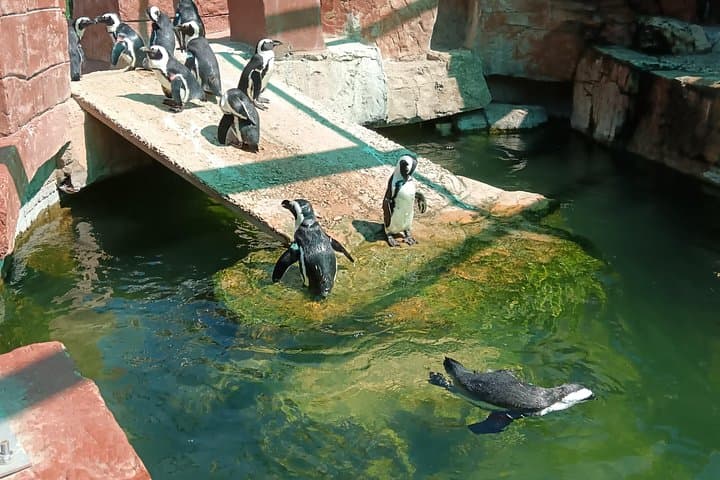
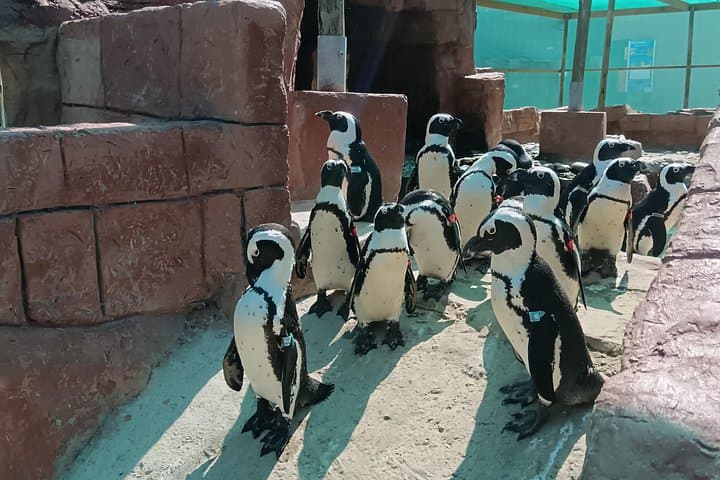
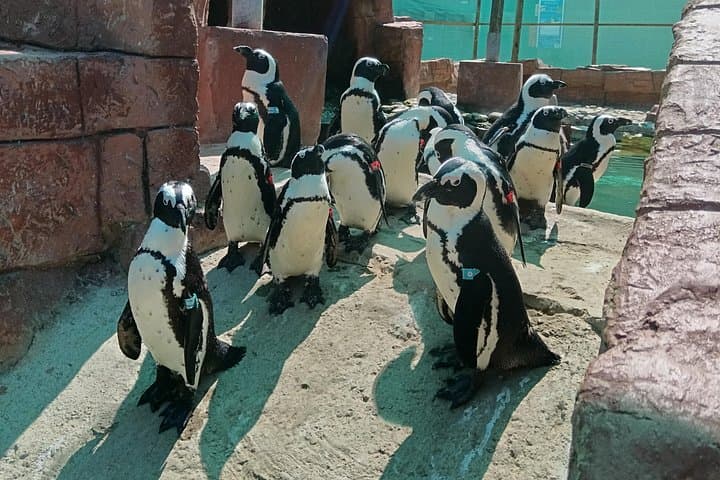
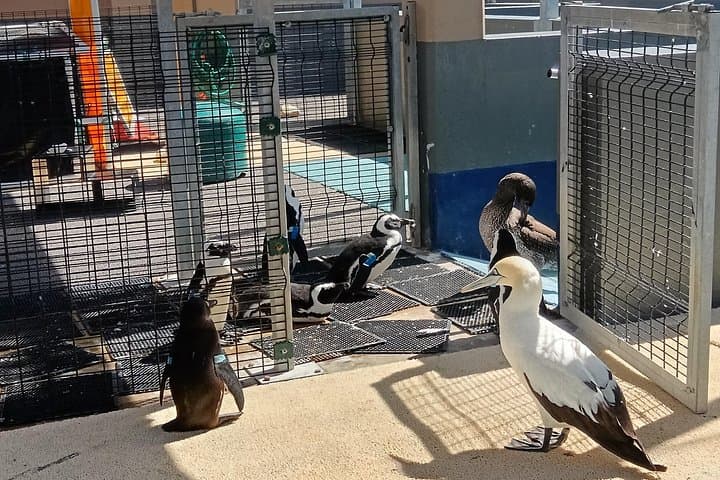
Spend a day moving from the wind-pummeled Cape Recife coast to the wide, elephant-strewn plains of Addo. This full-day combo pairs a penguin rehabilitation visit and lighthouse stop with a guided, malaria-free game drive through South Africa’s third-largest national park.
Spend a day moving from the wind-pummeled Cape Recife coast to the wide, elephant-strewn plains of Addo. This full-day combo pairs a penguin rehabilitation visit and lighthouse stop with a guided, malaria-free game drive through South Africa’s third-largest national park.
A salt-spray morning on Marine Drive sets the tone: waves push against the rocks at Shark Rock Pier while Cape Recife’s lighthouse keeps a slow, unblinking watch over the shoreline. You’ll walk that shoreline in the company of wind and seabirds before the van turns inland, trading surf for a landscape where low ridges and karoo thickets give elephants room to move.
Verified experiences and guided adventures in the surrounding area.
Operated by Carlin's Tours · Gqeberha, Eastern Cape
A salt-spray morning on Marine Drive sets the tone: waves push against the rocks at Shark Rock Pier while Cape Recife’s lighthouse keeps a slow, unblinking watch over the shoreline. You’ll walk that shoreline in the company of wind and seabirds before the van turns inland, trading surf for a landscape where low ridges and karoo thickets give elephants room to move.
Addo Elephant National Park began as a small reserve in 1931 to protect the few remaining Cape elephants and has grown into a 176,000-hectare, malaria-free sanctuary that stitches coastal dunes, Albany thicket and semi-arid plains. Geology here is honest — sandy coastal spits meet hardened sedimentary outcrops as you move from lighthouse to bush. Culture threads through the route: café stops like Nanaga Farm Stall showcase Eastern Cape produce and SANCCOB’s penguin rehabilitation at Cape Recife highlights community-led conservation.
Practical guidance: this is a full-day outing (roughly 8–10 hours) with hotel or cruise-terminal pickup in Gqeberha. Expect guided game drives in an air-conditioned vehicle; binoculars are provided but bring your own for longer glassing. Wear sturdy walking shoes for short shoreline walks and layered clothing — mornings on the coast can be breezy, inland drives hot by midday. Carry sunscreen, a refillable water bottle, and a camera with a long lens if you have one. Keep respectful distance from wildlife and follow your guide’s instructions — elephants lead the day on their terms.
The combo delivers two ecosystems in one long day: the sea that dares you toward the rocks and the bush that slows you to an elephant’s pace.
moderate.
8–10 hours.
Suitable for people in general good health who can sit for extended periods and manage short shoreline walks
Yes — Addo is considered malaria-free, which makes it easier for travellers coming from coastal Gqeberha.
Cruiseliner guests are welcome and the operator will wait for disembarking passengers when possible; confirm pickup timing when you book.
Yes — the tour is family-friendly and short shore walks are stroller-accessible, though game drives require sitting in the vehicle.
Addo is home to the Big Five, but sightings of predators or leopards are less guaranteed than elephants and antelope; guides maximize chances by choosing productive routes.
Addo was set aside in 1931 to protect dwindling elephant numbers and has since expanded to conserve coastal and inland habitats in the Eastern Cape.
SANParks manages Addo with community partnerships and SANCCOB’s penguin rehabilitation at Cape Recife focuses on rescuing and releasing injured or oiled seabirds.
Carlin's Tours operates guided outdoor trips and adventures with an emphasis on safety, stewardship, and memorable experiences.
A salt-spray morning on Marine Drive sets the tone: waves push against the rocks at Shark Rock Pier while Cape Recife’s lighthouse keeps a slow, unblinking watch over the shoreline. You’ll walk that shoreline in the company of wind and seabirds before the van turns inland, trading surf for a landscape where low ridges and karoo thickets give elephants room to move.
A salt-spray morning on Marine Drive sets the tone: waves push against the rocks at Shark Rock Pier while Cape Recife’s lighthouse keeps a slow, unblinking watch over the shoreline. You’ll walk that shoreline in the company of wind and seabirds before the van turns inland, trading surf for a landscape where low ridges and karoo thickets give elephants room to move.
Addo Elephant National Park began as a small reserve in 1931 to protect the few remaining Cape elephants and has grown into a 176,000-hectare, malaria-free sanctuary that stitches coastal dunes, Albany thicket and semi-arid plains. Geology here is honest — sandy coastal spits meet hardened sedimentary outcrops as you move from lighthouse to bush. Culture threads through the route: café stops like Nanaga Farm Stall showcase Eastern Cape produce and SANCCOB’s penguin rehabilitation at Cape Recife highlights community-led conservation.
Practical guidance: this is a full-day outing (roughly 8–10 hours) with hotel or cruise-terminal pickup in Gqeberha. Expect guided game drives in an air-conditioned vehicle; binoculars are provided but bring your own for longer glassing. Wear sturdy walking shoes for short shoreline walks and layered clothing — mornings on the coast can be breezy, inland drives hot by midday. Carry sunscreen, a refillable water bottle, and a camera with a long lens if you have one. Keep respectful distance from wildlife and follow your guide’s instructions — elephants lead the day on their terms.
The combo delivers two ecosystems in one long day: the sea that dares you toward the rocks and the bush that slows you to an elephant’s pace.